
Materia Aromatica
India & the Himalaya
Spice-coast seeds and barks, flower absolutes of the plains, wild roots of the Himalaya.
See the oils ↓Materia Aromatica · Origin
Indian aromatics are often filed under a single word, spice. The range covers three distinct zones. The humid south and the hills of Sri Lanka give pepper, cardamom, ginger and cinnamon. The plains give flowers for the absolute and attar trades. The Himalaya gives wild roots and shrubs of high ground, most of them collected in Nepal.
01 · The Region
Three zones, two traditions
The south of the subcontinent and Sri Lanka are tropical and monsoon-fed. Cinnamomum verum is native to Sri Lanka, and the island remains the reference source of cinnamon bark. Black pepper, cardamom and ginger are crops of the same humid belt. The Cymbopogon grasses, lemongrass, palmarosa and citronella, are field crops of the warm lowlands and foothills.
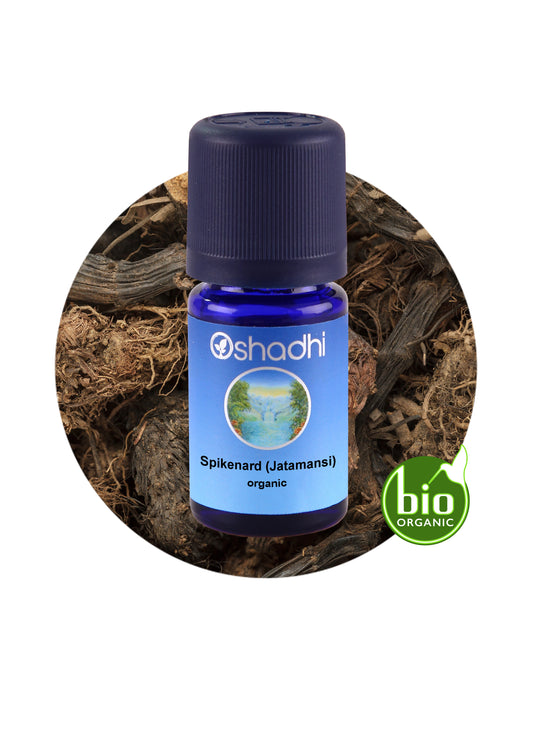
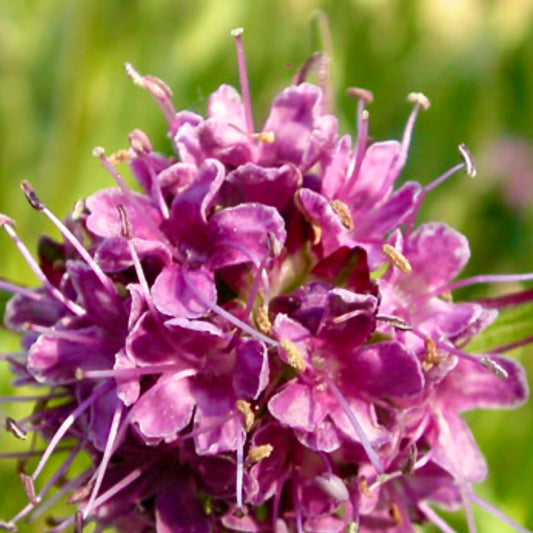
The plains carry the flower trade: jasmine in three species, red and white champaca, kewra and pink lotus. Kewra, from the flowers of Pandanus, belongs to the attar tradition of the subcontinent, in which flowers are distilled into a base oil in copper stills. The Himalaya is a different world of cold, altitude and wild collection. Spikenard, Rhododendron anthopogon, Valeriana wallichii, calamus, Zanthoxylum alatum, Cinnamomum tamala and Cinnamomum glaucescens come from Nepal; Himalayan cedar and Angelica glauca from northern India. Spikenard is listed under CITES, and its trade is documented accordingly.
South and Sri Lanka
Spice and bark
Cinnamon bark, cardamom, black pepper, ginger, Ceylon citronella.
The plains
Flowers
Jasmine grandiflorum, sambac and auriculatum, champaca, kewra, pink lotus.
Himalaya
Wild roots and shrubs
Spikenard, rhododendron, tagar valerian, calamus, Himalayan cedar, Indian angelica.
Grasses
Cymbopogon
Lemongrass, palmarosa and citronella. Citral against geraniol.
-
Regular price $17.00Regular priceUnit price per
-
Regular price $19.00Regular priceUnit price per
-
Regular price From $17.00Regular priceUnit price per
-
Regular price $15.00Regular priceUnit price per
-
Regular price $45.00Regular priceUnit price per
-
Regular price $27.00Regular priceUnit price per
-
Regular price $29.00Regular priceUnit price per
-
Regular price $17.00Regular priceUnit price per
-
Regular price $20.00Regular priceUnit price per
-
Regular price $28.00Regular priceUnit price per
-
Regular price $73.00Regular priceUnit price per
-
Regular price From $57.00Regular priceUnit price per
-
Regular price $81.00Regular priceUnit price per
-
Regular price $22.00Regular priceUnit price per
-
Regular price $19.00Regular priceUnit price per
-
Regular price $22.00Regular priceUnit price per
-
Regular price $13.00Regular priceUnit price per
-
Regular price $13.00Regular priceUnit price per
-
Regular price $17.00Regular priceUnit price per
-
Regular price $19.00Regular priceUnit price per
-
 Sold outRegular price $68.00Regular priceUnit price per





02 · The Range
Ten oils, coast to high ground
03 · Side by Side
Jasmines, grasses and one genus
Three jasmines from India set the first comparison. Jasmine, Grandiflorum, India (No. 1630) leads with benzyl acetate and benzyl benzoate and carries cis-jasmone. Jasmine, Sambac (No. 1635) adds cis-3-hexenyl benzoate and methyl anthranilate, greener and more fruity. Jasmine, Auriculatum (No. 1645) is indole- and benzyl benzoate-led. Three species, one country, three distinct heart notes.
The grasses follow. Lemongrass (No. 1945) is citral-led. Palmarosa (No. 2370) is geraniol-led. Citronella, Ceylon-Type (No. 1266) carries geraniol with camphene and methyl isoeugenol, drier and woodier than the Java type. Three species of Cymbopogon, three different alcohols and aldehydes at their centre.
Then Cinnamomum in three parts. Cinnamon Bark (No. 3110) from Sri Lanka is cinnamaldehyde. Cassia, Tamala (No. 1244), a leaf oil from Nepal, is linalool and 1,8-cineole with no significant cinnamaldehyde. Sugandha Kokila (No. 2736), from the berries of Cinnamomum glaucescens, is led by 1,8-cineole and methyl cinnamate. Genus is no guide to the oil; species and plant part decide it.
04 · In Practice
Base notes, hearts and caution
The roots and woods of the range are its base notes. Spikenard, Himalayan cedar, cypriol and tagar valerian give depth and tenacity in natural perfumery, and suit diffusion and meditation practice in small proportion. The absolutes are perfumery heart notes, used at low concentration. Champaca and kewra combine readily with sandalwood and rose in attar-style accords.
Cardamom, black pepper, ginger and palmarosa work in massage blends and diffusion. Cinnamon bark is a strong dermal sensitiser and is used only at very high dilution, and not on the face. Ajowan is phenolic and lemongrass is citral-rich; both call for low dilution. Calamus is high in beta-asarone and is reserved for perfumery and olfactory study. Peppermint is kept away from the faces of young children.
Essential oils are for aromatic and topical use. Dilute before applying to skin. Keep out of reach of children.