

Davana
Davana
Low stock: 3 left
Couldn't load pickup availability
Product No. 1300
Artemisia pallens
| Origin | India |
| Plant part | Leaves |
| Cultivation | Conventional |
| Extraction | Distilled |
| Main constituents | Davanone, Bicyclogermacrene, Ethyl cinnamate, Davana ether |
| Aroma | Balsamic, Earthy, Herbaceous, Sweet |
| Ingredients (INCI) | Artemisia Pallens Leaf Oil |
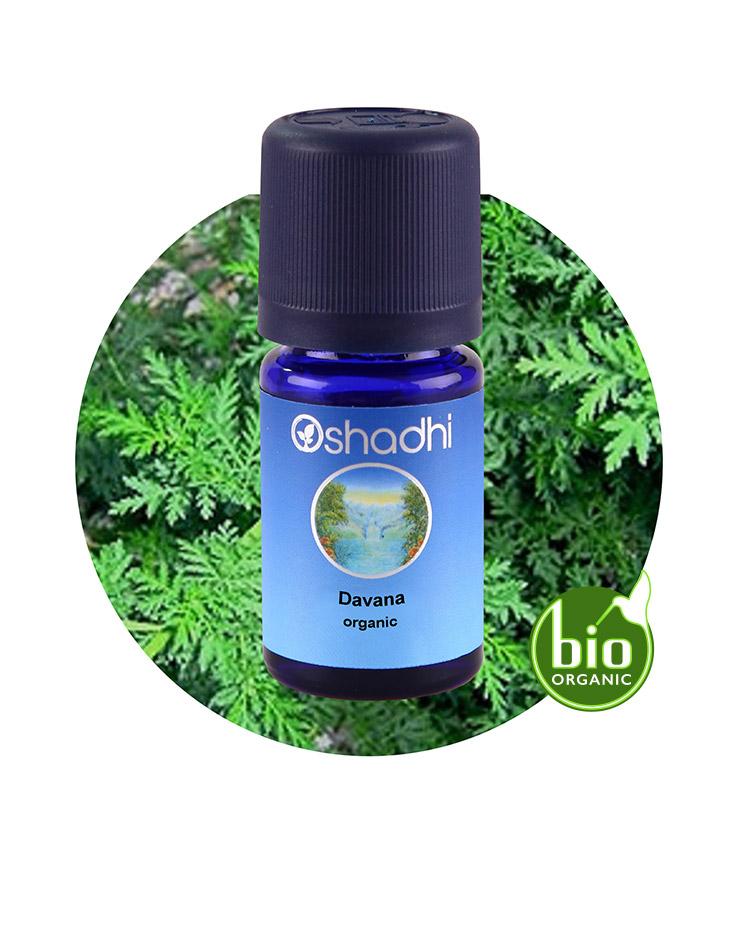
Davana is an Artemisia, and the genus is known for thujone and camphor. Davana carries neither in quantity. Its signature constituent is davanone, a sesquiterpene ketone of its own, which gives a fruity, dried-fruit character unusual in the genus.
01 · Origin
Artemisia pallens is a small, silvery annual of southern India, grown in Karnataka and neighbouring states and used in garlands and temple offerings. This oil is distilled in India from the leaves of conventionally grown plants.
02 · Chemistry
Davanone leads. Bicyclogermacrene adds a woody, green tone. Ethyl cinnamate contributes a sweet, balsamic-fruity note, and davana ether, a furanoid compound, rounds the profile. The oil is valued in flavour work as well as in perfumery.
03 · In Practice
Rich, fruity and boozy, with notes of dried apricot and a herbal undertone. A heart note in natural perfumery, used in small proportion. Massage blends, natural perfumery and olfactory study. Comparative work with Mugwort white (No. 1151) shows the spread of chemistry within Artemisia. Blends with rose, sandalwood, jasmine, vanilla, orange, bergamot and cedarwood.
General information: For external use only. Dilute before applying to skin. Keep away from heat and sunlight. Keep out of reach of children. Avoid contact with eyes and mucous membranes.
How to use Essential Oils
Find out more about how Essential Oils can be used and the different application methods:
https://oshadhi.com/pages/how-to-use-essential-oils