

Celery Seed
Celery Seed
Low stock: 3 left
Couldn't load pickup availability
Product No. 2720
Apium graveolens
| Origin | India |
| Plant part | Seeds |
| Cultivation | Conventional |
| Extraction | Distilled |
| Main constituents | Limonene, alpha- & beta-Selinene, Sedanenolide, Sedanolide |
| Aroma | Herbaceous, Spicy, Earthy |
| Ingredients (INCI) | Apium Graveolens Seed Oil |
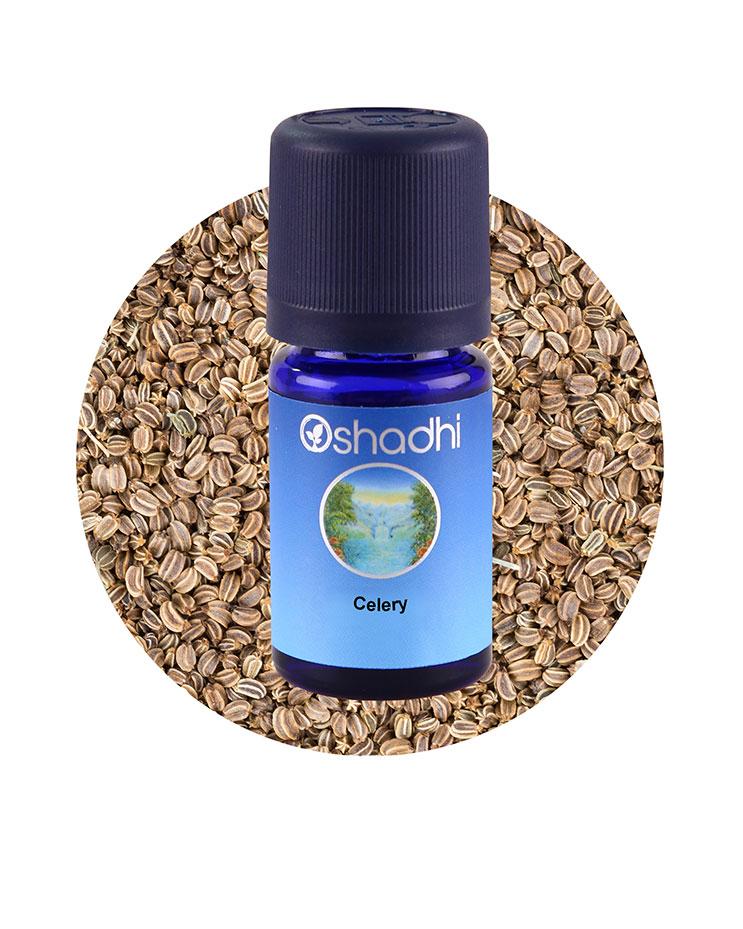
The smell of celery does not come from the main constituent of celery seed oil. Limonene dominates by volume. The characteristic note comes from phthalides, sedanolide and sedanenolide, present in far smaller amounts and perceptible at very low concentration.
01 · Origin
Apium graveolens belongs to the carrot family, Apiaceae, and grows wild in damp ground across Europe and western Asia. The seeds are in fact small dry fruits. This oil is distilled from the seeds of conventional cultivation in India.
02 · Chemistry
Limonene leads. Alpha- and beta-selinene, both sesquiterpenes, add a woody body. Sedanenolide and sedanolide carry the warm, savoury, unmistakably celery character, and are responsible for the oil's tenacity on a blotter.
03 · In Practice
Warm, spicy and savoury-green, with a fresh citrus opening and a long, lactonic drydown. A middle note. Massage blends, diffusion and natural perfumery, where tiny amounts add a green, slightly earthy depth. Blends with Lovage (No. 1960), which shares the phthalide character, and with Parsley (No. 2430), as well as lavender, pine, ginger and coriander seed.
General information: For external use only. Dilute before applying to skin. Keep away from heat and sunlight. Keep out of reach of children. Avoid contact with eyes and mucous membranes.
How to use Essential Oils
Find out more about how Essential Oils can be used and the different application methods:
https://oshadhi.com/pages/how-to-use-essential-oils