

Mint, Peppermint, Mitcham
Mint, Peppermint, Mitcham
19 in stock
Couldn't load pickup availability
Product No. 2085
Mentha piperita
| Origin | India |
| Plant part | Plant |
| Cultivation | Conventional |
| Extraction | Distilled |
| Main constituents | Menthol, Menthone, 1,8-Cineol, acetate, Isomenthone, Neomenthol |
| Aroma | Minty, Fresh, Camphoraceous |
| Ingredients (INCI) | Mentha Piperita Oil |
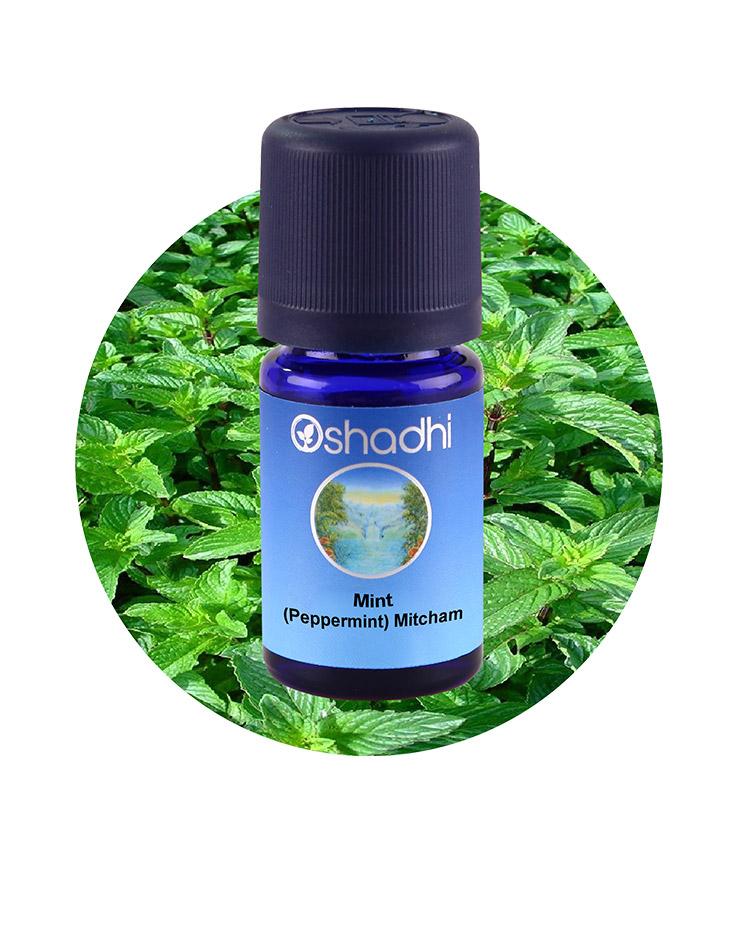
Mitcham is a place before it is a grade. The Mitcham strain of peppermint takes its name from the Surrey village where English peppermint growing was once centred. Mentha × piperita is a sterile hybrid, so the strain is carried forward by runners and cuttings rather than seed.
01 · Origin
Peppermint is a cross between water mint, Mentha aquatica, and spearmint, Mentha spicata, within the Lamiaceae. This oil is distilled in India from the whole plant of Mitcham-type cultivation. Spearmint (No. 2110) and Horse Mint (No. 2135) offer comparison within the genus.
02 · Chemistry
Menthol leads, with menthone close behind. 1,8-cineole, menthyl acetate, isomenthone and neomenthol complete the main fraction. The ratio of menthol to menthone, and the amount of menthyl acetate, shape the smoothness of the oil; ester-rich oils read rounder and sweeter.
03 · In Practice
Fresh, cool and penetrating, with a sweet, herbaceous body and a hay-like undertone. A top note of high impact. Diffusion, massage blends and skincare formulation at low concentration. Not used on or near the face of infants and young children. Blends with lavender, rosemary, eucalyptus, lemon, marjoram, basil and cedarwood.
General information: For external use only. Dilute before applying to skin. Keep away from heat and sunlight. Keep out of reach of children. Avoid contact with eyes and mucous membranes.
How to use Essential Oils
Find out more about how Essential Oils can be used and the different application methods:
https://oshadhi.com/pages/how-to-use-essential-oils