

Cedar, Himalaya
Cedar, Himalaya
Low stock: 4 left
Couldn't load pickup availability
Product No. 3096
Cedrus deodara
| Origin | India |
| Plant part | Wood |
| Cultivation | Wild |
| Extraction | Distilled |
| Main constituents | beta-, alpha- & gamma-Himachalene, Italicene, gamma-Atlantone, trans-alpha-Atlantone |
| Aroma | Balsamic, Sweet, Spicy, Woody |
| Ingredients (INCI) | Cedrus Deodara Wood Oil |
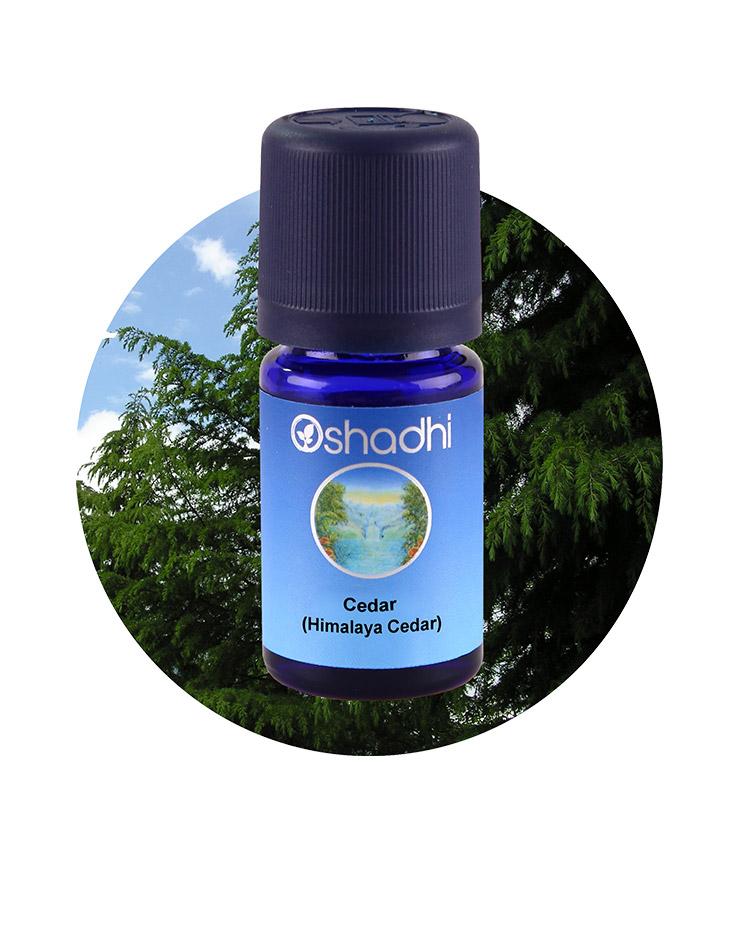
Much of what is sold as cedarwood oil does not come from a cedar. Virginia and Texas cedarwood are junipers. The true cedars belong to the genus Cedrus, and Cedrus deodara, the Himalayan cedar or deodar, is one of them.
01 · Origin
Cedrus deodara grows in the western Himalaya, from Afghanistan to Nepal. The name deodar derives from the Sanskrit for timber of the gods, and the wood has a long history in temple building and incense. This oil is distilled in India from the wood of wild trees.
02 · Chemistry
The himachalenes dominate: beta-, alpha- and gamma-himachalene. Italicene, gamma-atlantone and trans-alpha-atlantone follow. The atlantones are ketones shared with Atlas cedar, and they give both true cedars their sweet, warm depth.
03 · In Practice
Sweet, woody and balsamic, drying down slowly to a soft, resinous warmth. A base note and fixative. Natural perfumery, particularly in masculine and incense-type accords, meditation practice and massage blends. Comparison with Cedar, Virginia (No. 3105) shows the difference between true cedar and juniper. Blends with vetiver, sandalwood, frankincense, patchouli, rose, bergamot and lavender.
General information: For external use only. Dilute before applying to skin. Keep away from heat and sunlight. Keep out of reach of children. Avoid contact with eyes and mucous membranes.
How to use Essential Oils
Find out more about how Essential Oils can be used and the different application methods:
https://oshadhi.com/pages/how-to-use-essential-oils