

Palmarosa (Organic)
Palmarosa (Organic)
13 in stock
Sell by Date: March 2029
Couldn't load pickup availability
Product No. 2370
Cymbopogon martinii
| Origin | Nepal |
| Plant part | Grass |
| Cultivation | Certified organic |
| Extraction | Distilled |
| Main constituents | Geraniol, Geranyl acetate, Linalool, beta-Caryophyllene, trans-beta-Ocimene |
| Aroma | Floral, Sweet, Herbaceous |
| Ingredients (INCI) | Cymbopogon Martini Oil* |
*Certified organic.
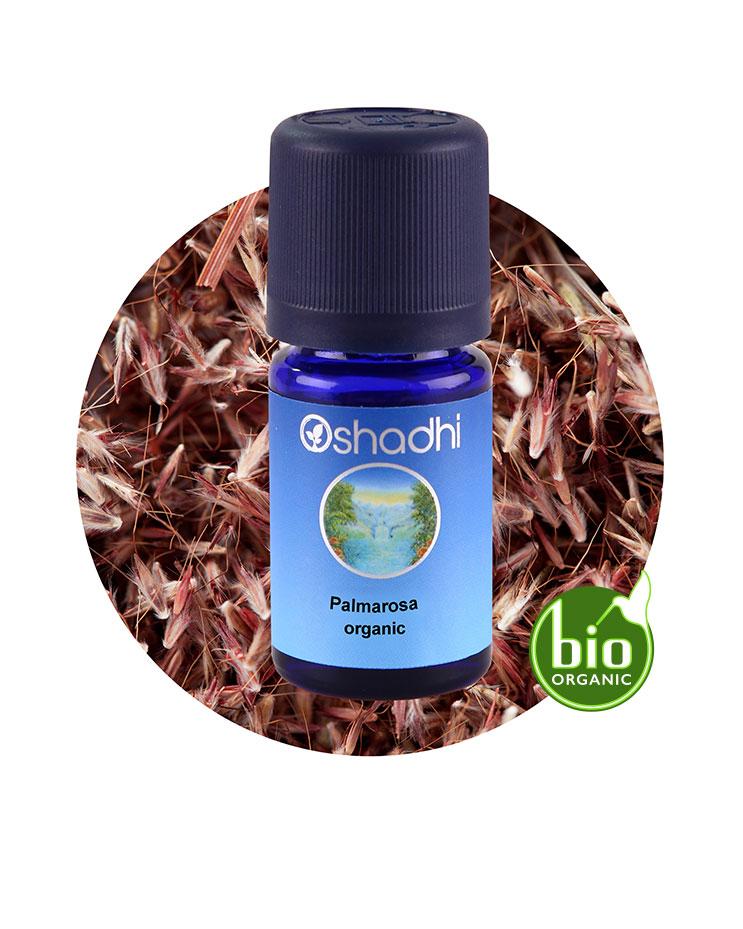
Palmarosa is a grass, a close relative of lemongrass and citronella. It shares none of their lemony citral character. The oil is built on geraniol, and for that reason it once travelled to European markets as Turkish geranium and was used to stretch rose otto.
01 · Origin
Cymbopogon martinii is a tall perennial grass of the Indian subcontinent, family Poaceae. This oil is distilled from the grass in Nepal, from certified organic cultivation.
02 · Chemistry
Geraniol leads by a wide margin, which places palmarosa among the most geraniol-rich oils in any dispensary. Geranyl acetate, its ester, rounds the profile. Linalool, beta-caryophyllene and trans-beta-ocimene appear in smaller proportion and lend a green, faintly spicy lift. The closely related gingergrass, a separate variety of the same species, carries a quite different, sharper chemistry.
03 · In Practice
Sweet, rosy and grassy, with a soft lemony undertone in the opening. A middle note that extends rose and geranium accords at modest cost to a formula. Skincare formulation, facial oils, massage blends and diffusion. Blends with rose, geranium, sandalwood, lavender, bergamot, ylang ylang and cedarwood.
General information: For external use only. Dilute before applying to skin. Keep away from heat and sunlight. Keep out of reach of children. Avoid contact with eyes and mucous membranes.
How to use Essential Oils
Find out more about how Essential Oils can be used and the different application methods:
https://oshadhi.com/pages/how-to-use-essential-oils