
Materia Aromatica
Forest & Conifer
Firs, pines, spruces, cypress and juniper. Needle oils read by their esters.
See the oils ↓Materia Aromatica · Scent
Conifer oils are often thought interchangeable, one pine much like another. Their monoterpene base is shared, but the proportions are not. Bornyl acetate gives firs and spruces their soft, balsamic needle note. Pines are drier and sharper, led by the pinenes and delta-3-carene. The difference is clear on a strip.
01 · The Family
Pinenes and one ester
The family belongs to the gymnosperms: the Pinaceae for the firs, pines, spruces, larch and hemlock, and the Cupressaceae for cypress, juniper and thuja. Needle and twig oils are dominated by monoterpene hydrocarbons: alpha- and beta-pinene, camphene, limonene, delta-3-carene and myrcene. These are small, volatile molecules, and conifer oils sit at the top and in the early heart of a composition.
Bornyl acetate is the constituent that most changes the character. Where it is high, as in Siberian fir, black spruce and hemlock, the oil reads balsamic, sweet and rounded. Where it is low, as in Scots, dwarf and sea pine, the pinenes and carene give a resinous, turpentine-like sharpness. Juniper adds sabinene and myrcene and a peppery tone. Thuja departs from the group entirely: it is a ketonic oil led by thujone.
Ester-led
Firs and spruces
Bornyl acetate with camphene. Balsamic, sweet and rounded.
Hydrocarbon-led
The pines
alpha- and beta-Pinene with delta-3-carene. Dry, sharp and resinous.
Cupressaceae
Cypress and juniper
Pinenes, sabinene and myrcene. Drier, with a woody or peppery edge.
Ketone
Thuja
alpha- and beta-Thujone. A conifer oil handled with caution.
-
Regular price From $10.50Regular priceUnit price per
$14.00Sale price From $10.50Sale -
Regular price $15.00Regular priceUnit price per
$20.00Sale price $15.00Sale -
Regular price $15.75Regular priceUnit price per
$21.00Sale price $15.75Sale -
Regular price $10.50Regular priceUnit price per
$14.00Sale price $10.50Sale -
Regular price $12.75Regular priceUnit price per
$17.00Sale price $12.75Sale -
Regular price $14.25Regular priceUnit price per
$19.00Sale price $14.25Sale -
Regular price $13.50Regular priceUnit price per
$18.00Sale price $13.50Sale -
Regular price $10.50Regular priceUnit price per
$14.00Sale price $10.50Sale -
Regular price From $12.75Regular priceUnit price per
$17.00Sale price From $12.75Sale -
Regular price $14.25Regular priceUnit price per
$19.00Sale price $14.25Sale -
Regular price $18.75Regular priceUnit price per
$25.00Sale price $18.75Sale -
Regular price $13.50Regular priceUnit price per
$18.00Sale price $13.50Sale -
Regular price $14.25Regular priceUnit price per
$19.00Sale price $14.25Sale -
Regular price $15.75Regular priceUnit price per
$21.00Sale price $15.75Sale -
Regular price $18.75Regular priceUnit price per
$25.00Sale price $18.75Sale -
Regular price $26.25Regular priceUnit price per
$35.00Sale price $26.25Sale -
Regular price $15.00Regular priceUnit price per
$20.00Sale price $15.00Sale -
Regular price $13.50Regular priceUnit price per
$18.00Sale price $13.50Sale -
Regular price $39.00Regular priceUnit price per
$77.00Sale price $39.00Sale -
 Sold outRegular price From $9.00Regular priceUnit price per
$12.00Sale price From $9.00Sold out -
 Sold outRegular price $16.50Regular priceUnit price per
$22.00Sale price $16.50Sold out




02 · The Range
Ten oils, two families
03 · Side by Side
Three comparisons
Ester against hydrocarbon first. Fir, Siberian (No. 1460) beside Pine, Scots (No. 1475) shows the family's main division. The fir is led by bornyl acetate and reads soft and balsamic. The pine is led by the pinenes and reads dry, sharp and resinous.
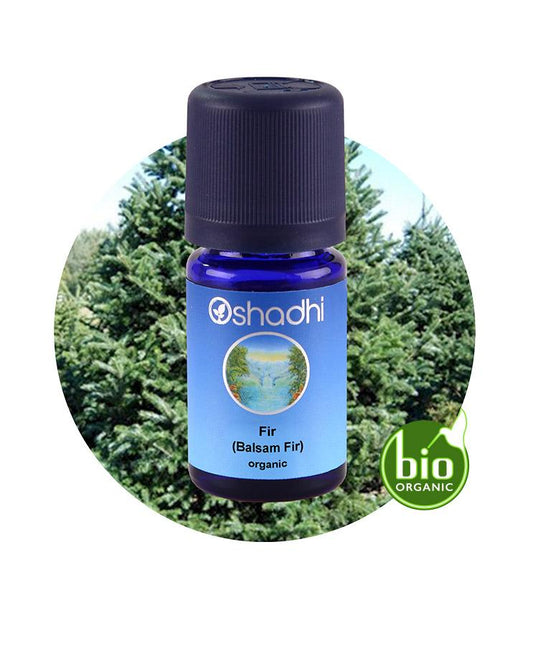
Then three firs. Fir, Siberian (No. 1460), Fir, Balsam (No. 2750) and Fir, Silver (No. 2777) come from three species on two continents. Siberian fir is the most ester-rich. Balsam fir is led by the pinenes with bornyl acetate beneath. Silver fir is led by limonene, which gives it a brighter, almost citrus top.
Then part of the plant. Juniper Berry (No. 2986) is distilled from the ripe cones alone. Juniper (No. 2990) is drawn from berries and needles together, and reads greener and more resinous. Cypress, Morocco (No. 3195) and Cypress, Lusitanica (No. 3196) set two Cupressus species beside each other: the first dry and carene-led, the second with sabinene and terpinen-4-ol.
04 · In Practice
Needle notes in practice
For diffusion, the firs and spruces diffuse readily and carry well through a room; pines are sharper and used in smaller share. Conifer oils suit massage blends and bath preparations at moderate dilution. In natural perfumery they sit at the top and in the early heart. Pine and fir join lavender, rosemary and eucalyptus in herbal-forest accords. The balsamic firs bridge naturally to frankincense, labdanum and cedar. Juniper pairs with citrus and with black pepper.
Monoterpene-rich oils oxidise once opened, and oxidised pinene and carene are skin sensitisers. Conifer oils are therefore kept cool and tightly closed, and used while fresh. Thuja is a thujone-rich ketonic oil. It is used in very small proportion, never undiluted, and only in blends for adults.
Essential oils are for aromatic and topical use. Dilute before applying to skin. Keep out of reach of children.