

Spruce, White (Organic)
Spruce, White (Organic)
11 in stock
Couldn't load pickup availability
Product No. 1468
Picea glauca
| Origin | Canada |
| Plant part | Needles/Twigs |
| Cultivation | Wild-crafted organic |
| Extraction | Distilled |
| Main constituents | alpha- & beta-Pinene, Camphor, Bornyl acetate, Camphene, Limonene |
| Aroma | Balsamic, Camphoraceous, Coniferous, Woody |
| Ingredients (INCI) | Picea Glauca Leaf Oil* |
*Certified organic.
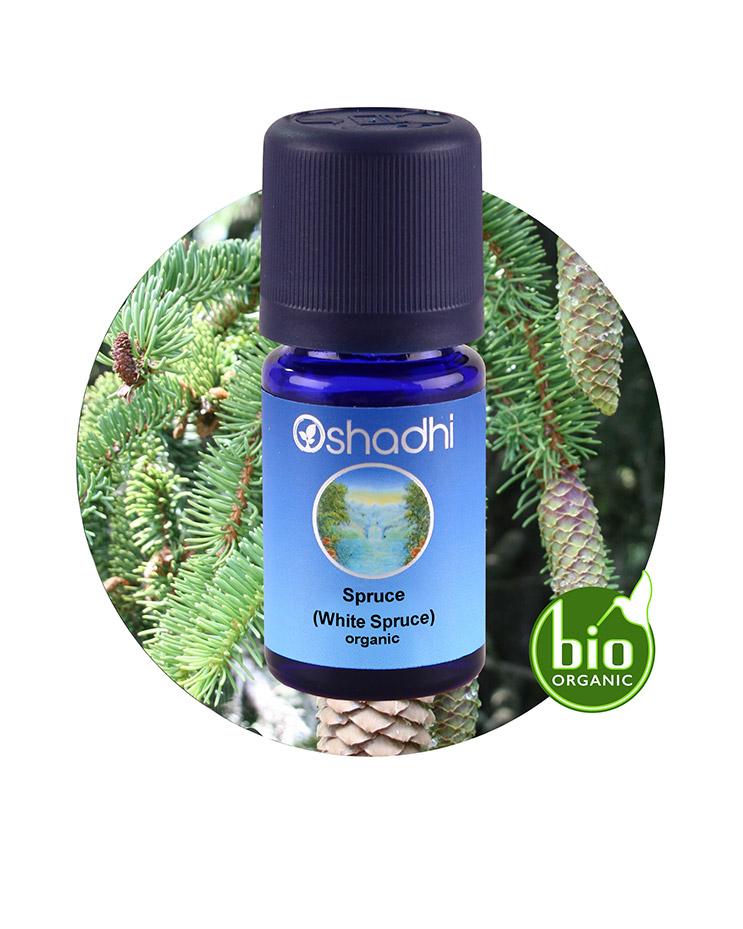
"Spruce oil" has long been a loose trade term. Much of what was sold under it came from eastern hemlock, Tsuga canadensis, once called hemlock spruce. White spruce is a true spruce: Picea glauca of the North American boreal forest.
01 · Origin
A coniferous evergreen of the pine family, native to the northern regions of North America, including Canada and Alaska. The crown is narrow and conical; the needles are bluish-green, the source of the epithet glauca. This oil is distilled in Canada from the needles and twigs of wild-crafted trees, certified organic.
02 · Chemistry
Alpha- and beta-pinene lead. Camphor is notable for a spruce and sharpens the profile. Bornyl acetate, camphene and limonene follow.
03 · In Practice
Fresh and woody, brighter and more camphoraceous than European spruce. A top note. Diffusion, massage blends, sauna preparations and coniferous accords. Read beside Fir, Hemlock (No. 2769) to separate the two materials once traded under one name. Blends with balsam fir, pine, cedarwood, juniper, lavender and lemon.
General information: For external use only. Dilute before applying to skin. Keep away from heat and sunlight. Keep out of reach of children. Avoid contact with eyes and mucous membranes.
How to use Essential Oils
Find out more about how Essential Oils can be used and the different application methods:
https://oshadhi.com/pages/how-to-use-essential-oils