

Juniper Berry (organic)
Juniper Berry (organic)
Low stock: 9 left
Couldn't load pickup availability
Product No. 2986
Juniperus communis L.
| Origin | Bulgaria |
| Plant part | Berries |
| Cultivation | Wild-crafted organic |
| Certification | DE-ÖKO-007 |
| Extraction | Distilled |
| Main constituents | alpha-Pinene, Myrcene, Limonene, Sabinene, beta-Pinene |
| Aroma | Herbaceous, Medicinal, Sweet |
| Ingredients (INCI) | Juniperus Communis Fruit Oil* |
*Certified organic, DE-ÖKO-007.
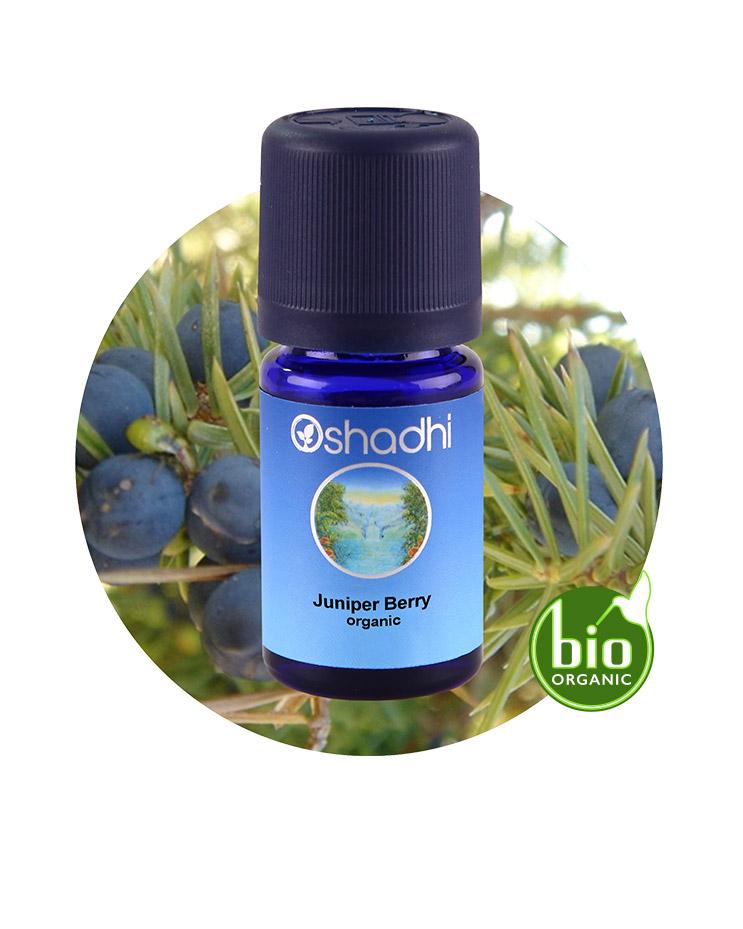
Juniper berries are not berries. They are fleshy cones, their scales fused into a round, blue-black body. The cones take more than one season to ripen, which is why green and ripe fruit hang on the same shrub.
01 · Origin
Juniperus communis is a conifer of the Cupressaceae, with the widest natural range of any conifer. It grows across the northern hemisphere. This oil is distilled from the berries of wild-crafted organic shrubs in Bulgaria.
02 · Chemistry
The monoterpenes alpha-pinene, myrcene, limonene, sabinene and beta-pinene make up most of the oil. Berry oils of this kind are monoterpene-dominated and prone to oxidation; cool storage and a closed bottle preserve them. Twig and needle oils from the same species carry a woodier, harsher character.
03 · In Practice
Fresh, resinous and woody, with a peppery, gin-like top. A top to middle note. Diffusion, massage blends, bath preparations and natural perfumery. Blends with cypress, cedarwood, lavender, rosemary, bergamot, vetiver and clary sage.
General information: For external use only. Dilute before applying to skin. Keep away from heat and sunlight. Keep out of reach of children. Avoid contact with eyes and mucous membranes.
How to use Essential Oils
Find out more about how Essential Oils can be used and the different application methods:
https://oshadhi.com/pages/how-to-use-essential-oils