

Cypress, Lusitanica / Mexican Cypress
Cypress, Lusitanica / Mexican Cypress
Low stock: 5 left
Sell by Date: March 2029
Couldn't load pickup availability
Product No. 3196
Cupressus lusitanica
| Origin | Madagascar |
| Plant part | Twigs/Leaves |
| Cultivation | Wild |
| Extraction | Distilled |
| Main constituents | alpha- & beta-Pinene, delta 3-Carene, Sabinene, Limonene, Terpinene-4-ol |
| Aroma | Earthy, Herbaceous, Resinous, Woody |
| Ingredients (INCI) | Cupressus Lusitanica Leaf Oil |
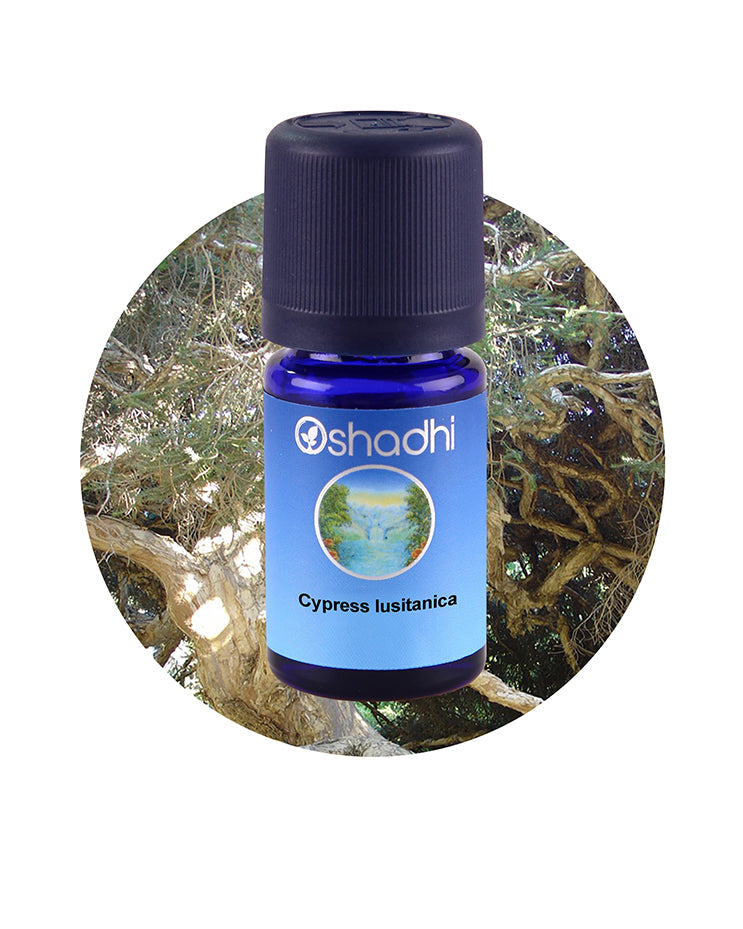
The name lusitanica means Portuguese. The tree is not. Cupressus lusitanica is native to Mexico and Central America; it was carried to Portugal early and described there, and the name stuck. It is a distinct species from Mediterranean cypress, Cupressus sempervirens.
01 · Origin
A tall conifer of the Cupressaceae, widely planted in East Africa and Madagascar. This oil is distilled from the twigs and leaves of wild trees in Madagascar.
02 · Chemistry
A monoterpene oil. Alpha- and beta-pinene lead, with delta-3-carene, sabinene and limonene close behind. Terpinene-4-ol, a monoterpene alcohol, adds a slightly peppery, herbal warmth to an otherwise resinous profile.
03 · In Practice
Fresh, resinous and green, with a clean coniferous lift. A top note in natural perfumery. Diffusion, massage blends, bath preparations and room scenting. Comparative work alongside Cypress, Morocco organic (No. 3195) separates the two species clearly. Blends with juniper, lemon, lavender, pine, cedarwood, rosemary and frankincense.
General information: For external use only. Dilute before applying to skin. Keep away from heat and sunlight. Keep out of reach of children. Avoid contact with eyes and mucous membranes.
How to use Essential Oils
Find out more about how Essential Oils can be used and the different application methods:
https://oshadhi.com/pages/how-to-use-essential-oils