

Pine, Scots/Sylvester (organic)
Pine, Scots/Sylvester (organic)
Low stock: 8 left
Sell by Date: March 2029
Couldn't load pickup availability
Product No. 1475
Pinus sylvestris
| Origin | France |
| Plant part | Needles/Twigs |
| Cultivation | Wild-crafted organic |
| Certification | DE-ÖKO-007 |
| Extraction | Distilled |
| Main constituents | alpha- & beta-Pinene, Limonene, Camphene, delta-3-Carene, Myrcene |
| Aroma | Balsamic, Coniferous, Woody |
| Ingredients (INCI) | Pinus Sylvestris Leaf Oil* |
*Certified organic, DE-ÖKO-007.
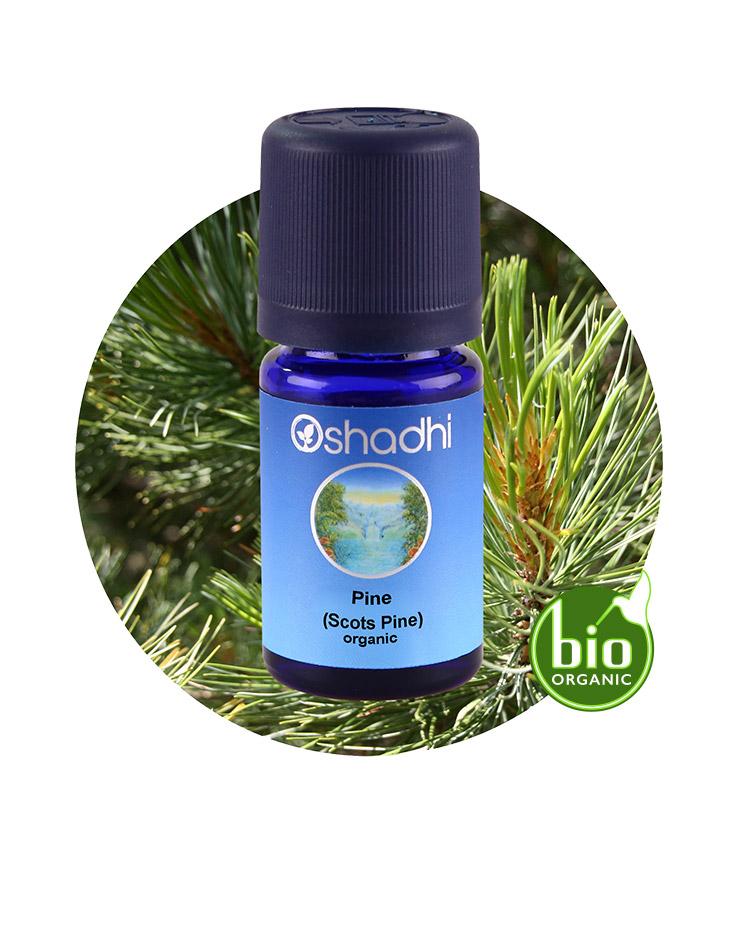
Pine oil and turpentine are often taken for the same material. They are not. Turpentine is distilled from the oleoresin tapped from the trunk. Pine needle oil is distilled from the needles and young twigs, and carries a greener, softer and more complex profile.
01 · Origin
Pinus sylvestris is the most widely distributed pine in the world, ranging from Scotland and Spain across Europe and Asia to the Pacific coast of Russia. The common names Scots pine, Scotch pine and Sylvester pine all refer to the one species. This oil is distilled in France from wild-crafted needles and twigs, certified organic (DE-ÖKO-007).
02 · Chemistry
Monoterpene hydrocarbons make up the bulk of the oil. Alpha- and beta-pinene lead, with limonene, camphene, delta-3-carene and myrcene following. Oils of this class oxidise readily once opened. Close the bottle promptly and keep it cool.
03 · In Practice
Fresh, resinous and green, with a dry balsamic undertone. A top note. Diffusion, sauna and bath preparations, massage blends and olfactory study of the conifers. Blends with cedarwood, juniper berry, rosemary, eucalyptus, lavender, lemon and frankincense.
General information: For external use only. Dilute before applying to skin. Keep away from heat and sunlight. Keep out of reach of children. Avoid contact with eyes and mucous membranes.
How to use Essential Oils
Find out more about how Essential Oils can be used and the different application methods:
https://oshadhi.com/pages/how-to-use-essential-oils