

Fir, Balsam (organic)
Fir, Balsam (organic)
Low stock: 7 left
Sell by Date: March 2029
Couldn't load pickup availability
Product No. 2750
Abies balsamea
| Origin | Canada |
| Plant part | Needles/Twigs |
| Cultivation | Wild-crafted organic |
| Certification | DE-ÖKO-007 |
| Extraction | Distilled |
| Main constituents | beta-Pinene, alpha-Pinene, delta-3-Carene, Bornyl acetate, Limonene |
| Aroma | Balsamic, Coniferous, Earthy, Woody |
| Ingredients (INCI) | Abies Balsamea Leaf Oil* |
*Certified organic, DE-ÖKO-007.
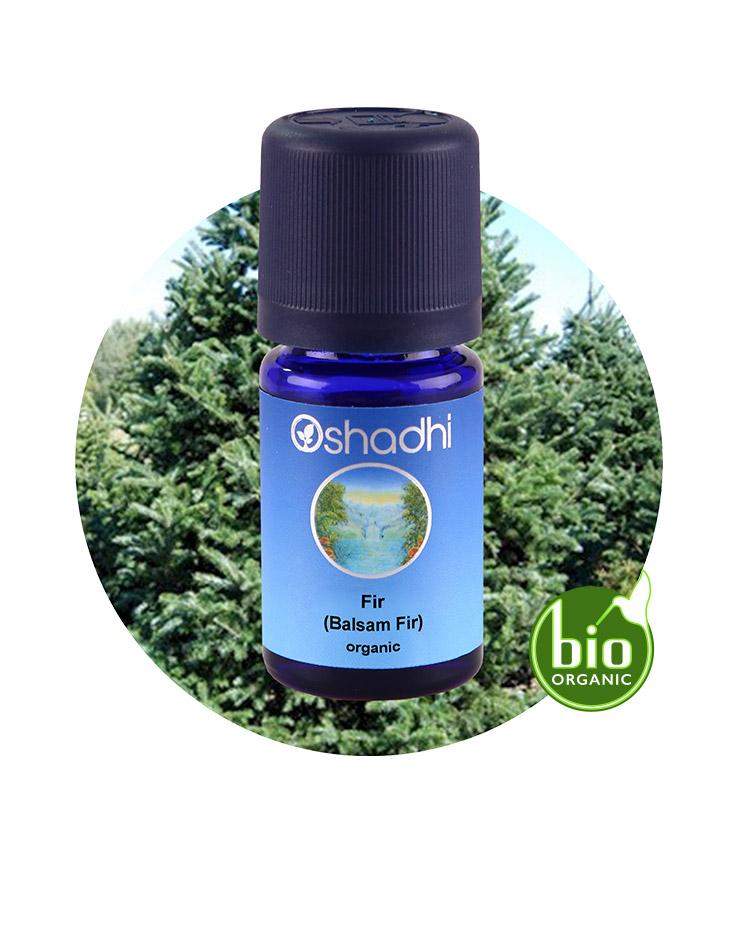
Canada balsam and balsam fir oil are frequently confused. Canada balsam is the oleoresin collected from blisters in the bark, used historically in microscopy. Balsam fir oil is distilled from the needles and twigs, and the two materials differ in both composition and use.
01 · Origin
Abies balsamea is an evergreen conifer of the Pinaceae native to the boreal forests of Canada and the northeastern United States. This oil is distilled from the needles and twigs of wild-crafted organic trees in Canada.
02 · Chemistry
Beta-pinene leads, with alpha-pinene and delta-3-carene. Bornyl acetate and limonene follow. The ester fraction gives balsam fir its rounded, sweet quality. Comparative work with Fir, Hemlock (No. 2769) shows two distinct North American conifer profiles.
03 · In Practice
Fresh, balsamic and green, with a soft sweetness and a resinous drydown. A top to middle note. Diffusion, massage blends, bath preparations, natural perfumery, soaps and candles. Blends with cedarwood, pine, juniper berry, lavender, frankincense, orange and rosemary.
General information: For external use only. Dilute before applying to skin. Keep away from heat and sunlight. Keep out of reach of children. Avoid contact with eyes and mucous membranes.
How to use Essential Oils
Find out more about how Essential Oils can be used and the different application methods:
https://oshadhi.com/pages/how-to-use-essential-oils