

Cedar Needles, Atlas (organic)
Cedar Needles, Atlas (organic)
Low stock: 2 left
Couldn't load pickup availability
Product No. 3090
Cedrus atlantica
| Origin | France |
| Plant part | Twigs |
| Cultivation | Wild-crafted organic |
| Extraction | Distilled |
| Main constituents | alpha-Pinene, cis-gamma-Atlantone, alpha-, beta- & gamma-Himachalene, trans-alpha-Atlantone |
| Aroma | Coniferous, Spicy, Woody, Fresh |
| Ingredients (INCI) | Cedrus Atlantica Leaf Oil* |
*Certified organic.
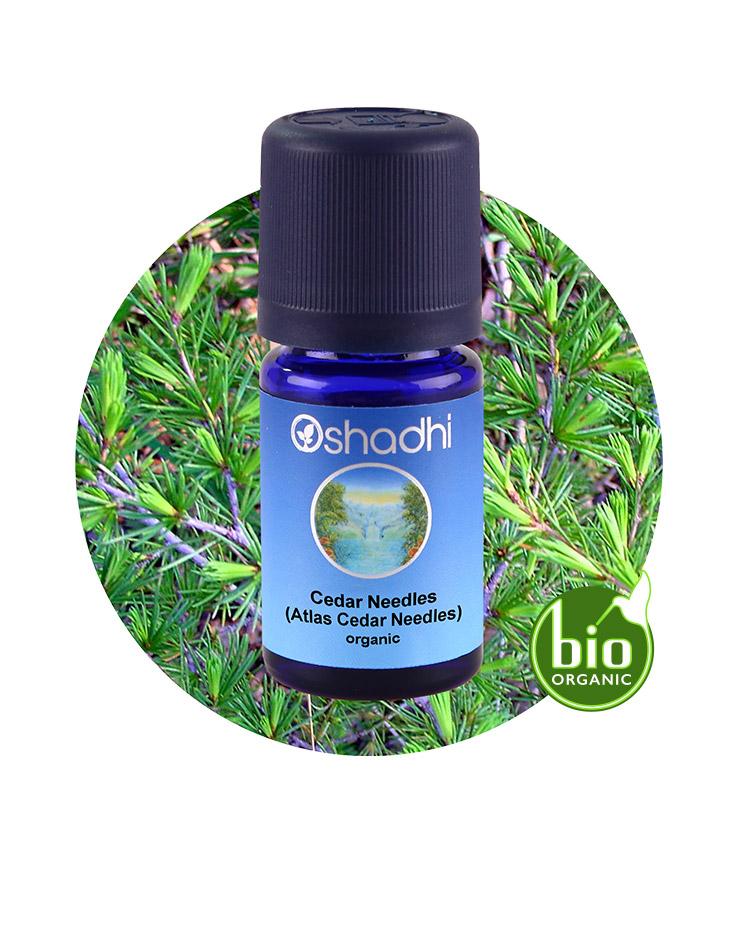
Atlas cedar oil is almost always a wood oil. This one is distilled from the twigs and needles. Its profile is led by alpha-pinene and reads green and resinous, with the atlantones and himachalenes of the wood present beneath.
01 · Origin
Cedrus atlantica is native to the Atlas Mountains of Morocco and Algeria and has been widely planted in southern France. This oil is distilled from the twigs of wild-crafted trees in France, certified organic.
02 · Chemistry
Alpha-pinene leads the profile. Cis-gamma-atlantone and trans-alpha-atlantone, the sesquiterpene ketones associated with the wood, follow, alongside alpha-, beta- and gamma-himachalene. Cedar, Himalaya (No. 3096), a wood oil of a sister species, places the himachalenes in front and offers a useful comparison.
03 · In Practice
Fresh, resinous and green at the top, drying to a soft, woody warmth. A top-to-middle note. Diffusion, massage blends and natural perfumery, where it bridges conifer and wood accords. Blends with Atlas cedarwood, cypress, juniper, bergamot, lavender, frankincense and rosemary.
General information: For external use only. Dilute before applying to skin. Keep away from heat and sunlight. Keep out of reach of children. Avoid contact with eyes and mucous membranes.
How to use Essential Oils
Find out more about how Essential Oils can be used and the different application methods:
https://oshadhi.com/pages/how-to-use-essential-oils