

Yuzu / Japanese Mandarin
Yuzu / Japanese Mandarin
Low stock: 10 left
Couldn't load pickup availability
Product No. 3071
Citrus junos
| Origin | Japan |
| Plant part | Peel |
| Cultivation | Wild |
| Extraction | Distilled |
| Main constituents | Limonene, gamma-Terpinene, Myrcene |
| Aroma | Citrus, Fruity, Sweet |
| Ingredients (INCI) | Citrus Junos Peel Oil |
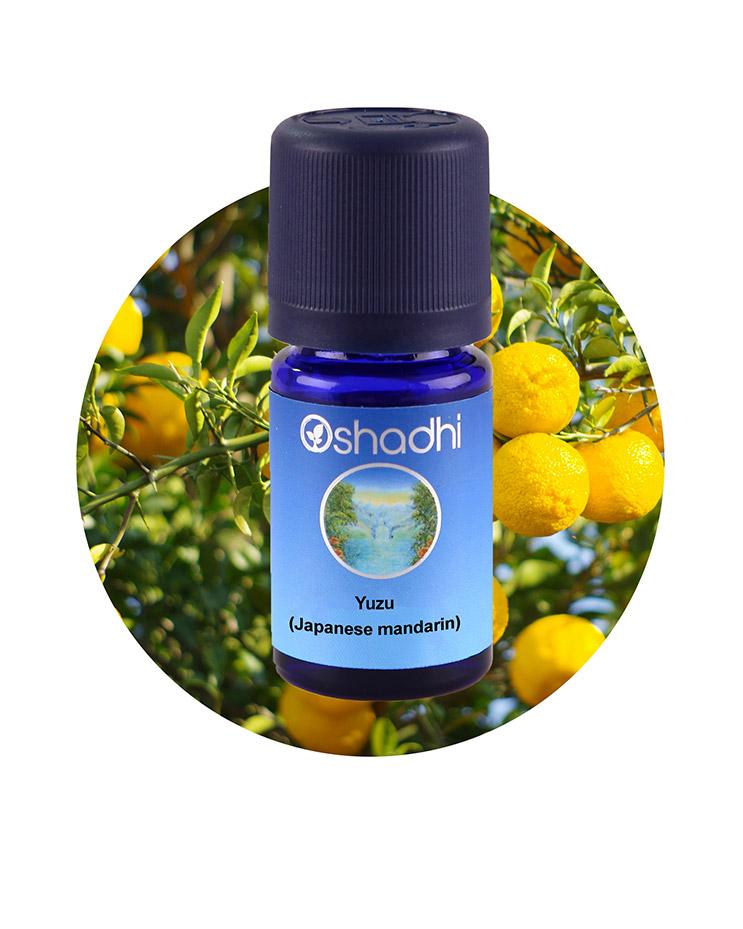
Yuzu is often sold as Japanese mandarin. It is not a mandarin. Citrus junos is thought to have arisen as a hybrid between a mandarin and the ichang papeda, which accounts for its sour fruit, thick peel and cold hardiness. This oil is also distilled, not cold-pressed.
01 · Origin
A slow-growing, thorny citrus tree long cultivated in Japan and China. In Japan the fruit is floated in hot baths at the winter solstice. This oil is distilled from the peel of Japanese fruit from wild-grown trees.
02 · Process
Most citrus oils are expressed. Distillation separates the volatile fraction from the waxes, pigments and other non-volatile matter that a pressed oil carries, and gives a clearer, lighter material. Limonene leads the profile, with gamma-terpinene and myrcene behind. The result is sharper and more aromatic than a pressed peel oil, with less of the juicy roundness.
03 · In Practice
Tart, floral and clean, between grapefruit and mandarin, with a faint herbal edge. A top note in natural perfumery. Diffusion, bath preparations, massage blends and cologne-style work. Blends with hinoki, cedarwood, ginger, green tea accords, grapefruit, neroli and sandalwood.
General information: For external use only. Dilute before applying to skin. Keep away from heat and sunlight. Keep out of reach of children. Avoid contact with eyes and mucous membranes.
How to use Essential Oils
Find out more about how Essential Oils can be used and the different application methods:
https://oshadhi.com/pages/how-to-use-essential-oils