

Cypress, White, Wood
Cypress, White, Wood
Low stock: 3 left
Couldn't load pickup availability
Product No. 3186
Callitris glaucophylla
| Origin | Australia |
| Plant part | Wood |
| Cultivation | Wild |
| Extraction | Distilled |
| Main constituents | Citronellic acid, Guaiol, alpha Eudesmol, Bulnesol |
| Aroma | Balsamic, Spicy, Sweet, Woody |
| Ingredients (INCI) | Callitris Glaucophylla Wood Oil |
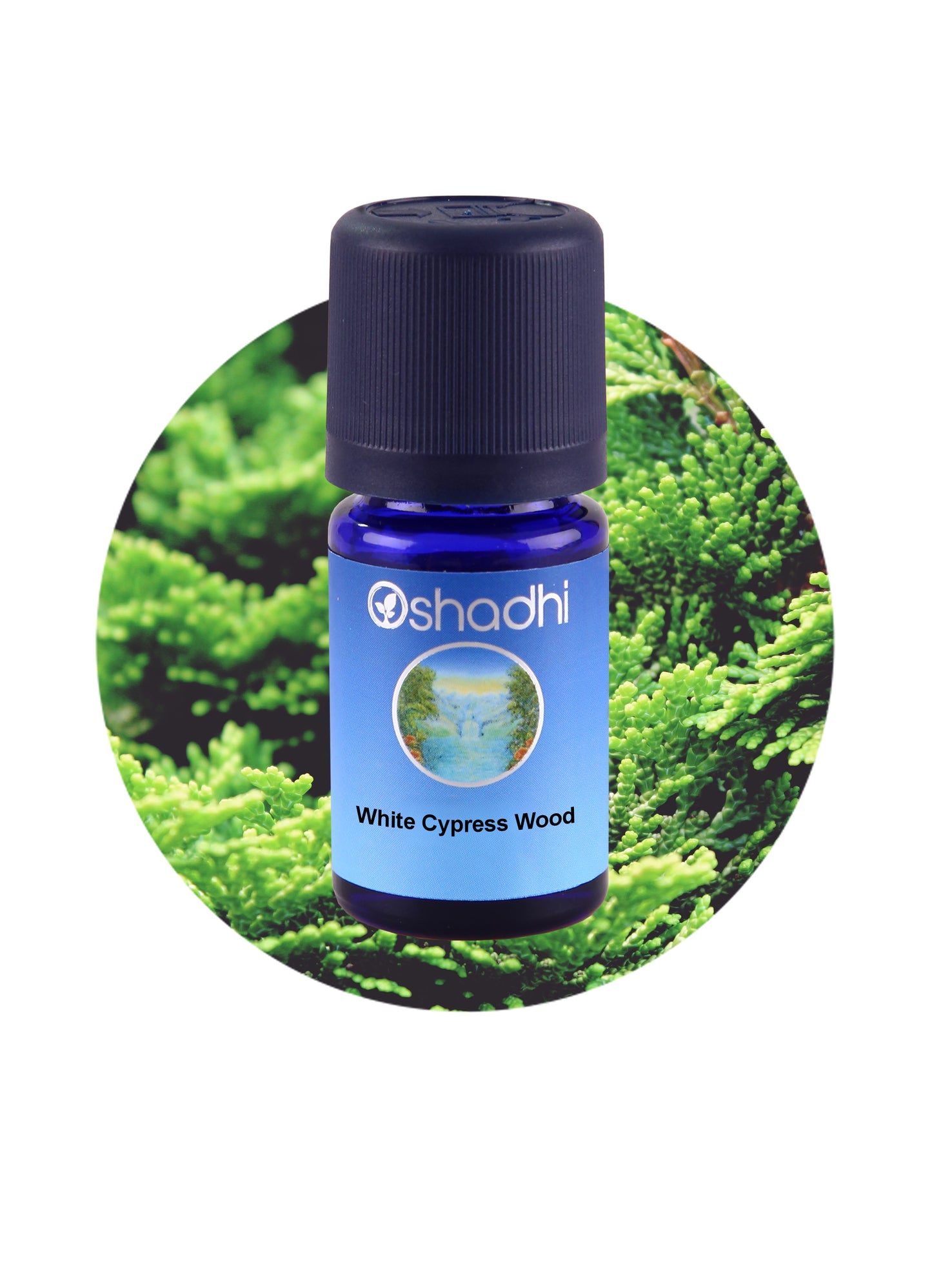
White cypress is not a cypress in the botanical sense. Callitris glaucophylla is an Australian genus of the cypress family, in a separate genus from Cupressus sempervirens. Its wood oil has nothing of the pinene freshness of Mediterranean cypress.
01 · Origin
A native Australian conifer, also called white cypress pine, growing across the inland plains of eastern Australia. Its timber is valued for durability. This oil is distilled in Australia from the wood of wild trees.
02 · Chemistry
Citronellic acid, an unusual constituent in a wood oil, gives a sharp, slightly fatty note. Guaiol, alpha-eudesmol and bulnesol, all sesquiterpene alcohols, form the body; guaiol and bulnesol also define guaiacwood. Comparative work alongside Cypress, White, Leaf (No. 3187) shows how far leaf and wood of one tree diverge, and Cypress, Blue (No. 3185) belongs to the same genus.
03 · In Practice
Dry, woody and smoky-sweet, with a faint rosy undertone. In natural perfumery it serves as a base note and holds lighter materials. Massage blends, incense formulation and olfactory study. Blends with vetiver, sandalwood, rose, guaiacwood, frankincense, cedarwood and bergamot.
General information: For external use only. Dilute before applying to skin. Keep away from heat and sunlight. Keep out of reach of children. Avoid contact with eyes and mucous membranes.
How to use Essential Oils
Find out more about how Essential Oils can be used and the different application methods:
https://oshadhi.com/pages/how-to-use-essential-oils