

Violet Leaves, abs. 75% (in organic alcohol)
Violet Leaves, abs. 75% (in organic alcohol)
Low stock: 2 left
Sell by Date: March 2029
Couldn't load pickup availability
Product No. 2950
Viola odorata
| Origin | Egypt |
| Plant part | Leaves |
| Cultivation | Conventional |
| Extraction | Extracted |
| Main constituents | Unsaturated octadecanoic acids, Palmitic acid, Ethyl linoleate, Nonadienal |
| Aroma | Earthy, Floral |
| Ingredients (INCI) | Viola Odorata Leaf Extract, Alcohol |
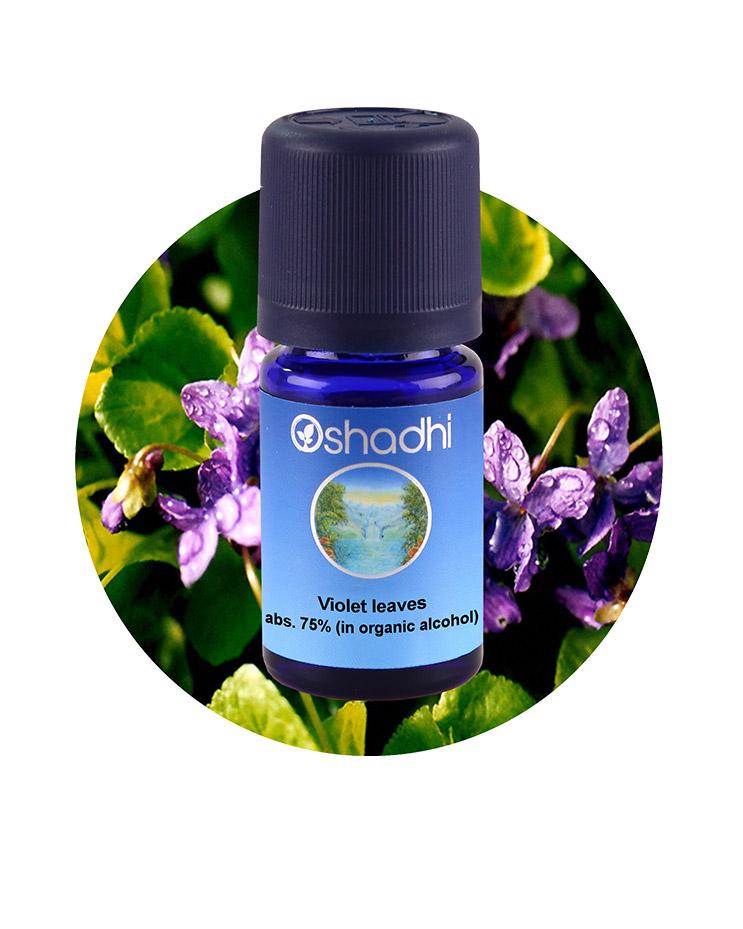
Violet leaf absolute is often expected to smell of violets. It does not carry the flower note. The sweet violet of perfumery comes largely from ionones, usually synthetic. The leaf gives an intensely green, cucumber-like material of its own.
01 · Origin
Viola odorata, the sweet violet, is a low perennial of the Violaceae native to Europe and western Asia. This absolute is produced in Egypt from the leaves of conventionally grown plants.
02 · Process
The leaves are solvent-extracted and the concrete refined with alcohol. The result is dense and very concentrated. Unsaturated octadecanoic acids, palmitic acid and ethyl linoleate form the bulk. Nonadienal, present in small amount, is responsible for the green cucumber note. This product is the absolute diluted in organic alcohol for ease of handling.
03 · In Practice
Green, leafy and watery, with an earthy, slightly metallic edge. A middle note of great strength, used in traces. Natural perfumery, green and chypre accords, and olfactory study. A single drop alters a composition markedly. Blends with iris, rose, galbanum, jasmine, bergamot, clary sage and oakmoss.
General information: For external use only. Dilute before applying to skin. Keep away from heat and sunlight. Keep out of reach of children. Avoid contact with eyes and mucous membranes.
How to use Essential Oils
Find out more about how Essential Oils can be used and the different application methods:
https://oshadhi.com/pages/how-to-use-essential-oils