

Valerian
Valerian
Low stock: 7 left
Couldn't load pickup availability
Product No. 1100
Valeriana officinalis
| Origin | Poland |
| Plant part | Roots |
| Cultivation | Conventional |
| Extraction | Distilled |
| Main constituents | Bornyl acetate, Camphene, alpha- & beta-Pinene |
| Aroma | Earthy, Herbaceous, Spicy |
| Ingredients (INCI) | Valeriana Officinalis Root Oil |
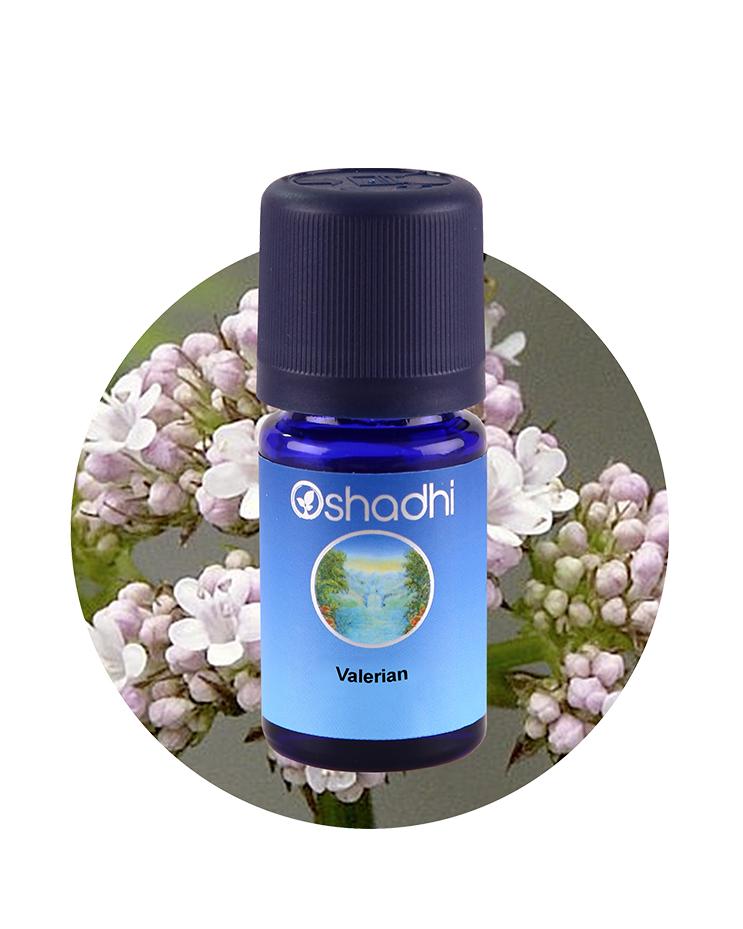
The odour most people associate with valerian is that of the dried root. Much of it comes from isovaleric acid, released as the root dries and ages. The distilled oil of Valeriana officinalis is led instead by bornyl acetate. Valerian, Tagar (No. 1106), from a Himalayan relative, retains more of the isovaleric character.
01 · Origin
A tall perennial of damp meadows and riverbanks across Europe and temperate Asia, with clusters of pale pink flowers. This oil is distilled from the roots, grown conventionally in Poland.
02 · Chemistry
Bornyl acetate leads, accompanied by camphene and alpha- and beta-pinene. Smaller sesquiterpene components carry the deep earthy tone.
03 · In Practice
Earthy, musky and woody, with a balsamic green edge and great tenacity. A base note used in traces. Natural perfumery, where it lends depth to moss and woody accords, and evening massage blends. Blends with lavender, patchouli, vetiver, cedarwood, mandarin, pine and oakmoss.
General information: For external use only. Dilute before applying to skin. Keep away from heat and sunlight. Keep out of reach of children. Avoid contact with eyes and mucous membranes.
How to use Essential Oils
Find out more about how Essential Oils can be used and the different application methods:
https://oshadhi.com/pages/how-to-use-essential-oils