

Tea Tree, M.E. (Rosalina, linalool) / Melaleuca ericifolia
Tea Tree, M.E. (Rosalina, linalool) / Melaleuca ericifolia
22 in stock
Couldn't load pickup availability
Product No. 2783
Melaleuca ericifolia
| Origin | Australia |
| Plant part | Twigs/Leaves |
| Cultivation | Wild |
| Extraction | Distilled |
| Main constituents | Linalool, 1,8-Cineol, alpha-Pinene, Paracymene |
| Aroma | Camphoraceous, Herbaceous, Medicinal, Fresh |
| Ingredients (INCI) | Melaleuca Ericifolia Leaf Oil |
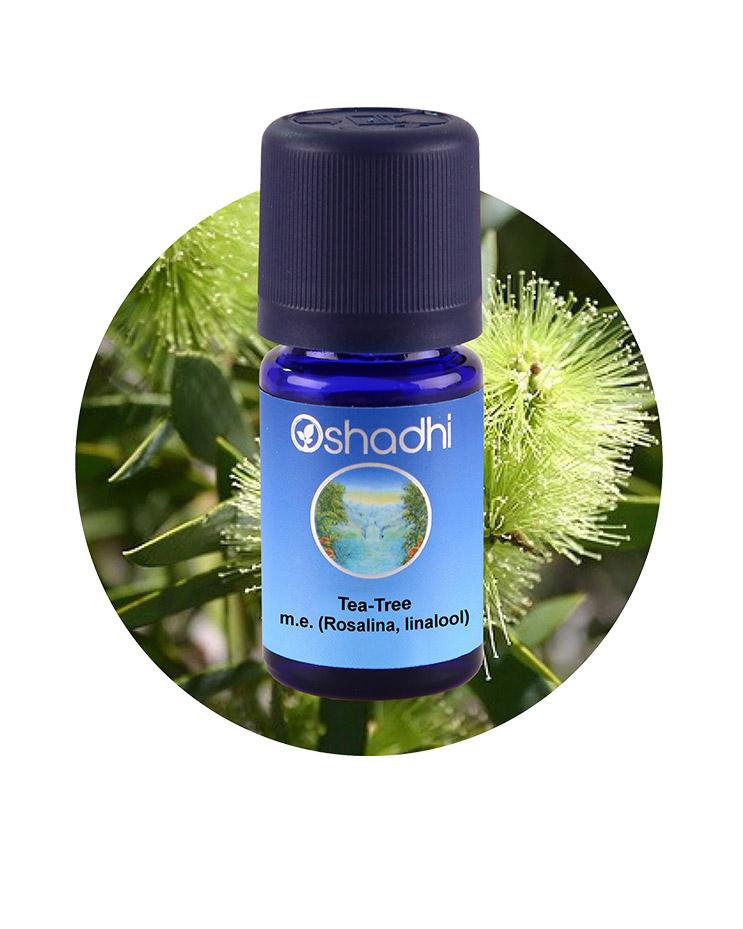
The name tea tree covers several Melaleuca species, and the oils are not interchangeable. Melaleuca alternifolia is led by terpinen-4-ol. Melaleuca ericifolia, sold as rosalina, is led by linalool. The aroma and the formulating behaviour follow that difference.
01 · Origin
Melaleuca ericifolia is a paperbark of the Myrtaceae, native to south-eastern Australia, where it grows in swampy coastal ground. This oil is distilled from the twigs and leaves of wild stands.
02 · Chemistry
Linalool dominates. 1,8-cineole is present in moderate proportion and gives the oil its fresh, open lift. Alpha-pinene and para-cymene complete the profile. The balance of a monoterpene alcohol with a smaller oxide fraction places rosalina at the softer end of the Melaleuca group.
03 · In Practice
Fresh, lightly floral and camphoraceous, with less of the medicinal sharpness associated with the alternifolia oil. A top to middle note. Diffusion, massage blends, bath preparations and skincare formulation. A useful comparison in olfactory study beside Tea Tree, m.a. (No. 2780). Blends with lavender, bergamot, eucalyptus radiata, lemon, cypress, geranium and marjoram.
General information: For external use only. Dilute before applying to skin. Keep away from heat and sunlight. Keep out of reach of children. Avoid contact with eyes and mucous membranes.
How to use Essential Oils
Find out more about how Essential Oils can be used and the different application methods:
https://oshadhi.com/pages/how-to-use-essential-oils