

Rosemary, Borneone (organic)
Rosemary, Borneone (organic)
Low stock: 7 left
Couldn't load pickup availability
Product No. 2610
Rosmarinus officinalis
| Origin | Spain |
| Plant part | Plant |
| Cultivation | Wild-crafted organic |
| Certification | DE-ÖKO-007 |
| Extraction | Distilled |
| Main constituents | alpha-Pinene, Camphor (Borneone), 1,8-Cineole, Camphene |
| Aroma | Camphoraceous, Spicy, Fresh |
| Ingredients (INCI) | Rosmarinus Officinalis Leaf Oil* |
*Certified organic, DE-ÖKO-007.
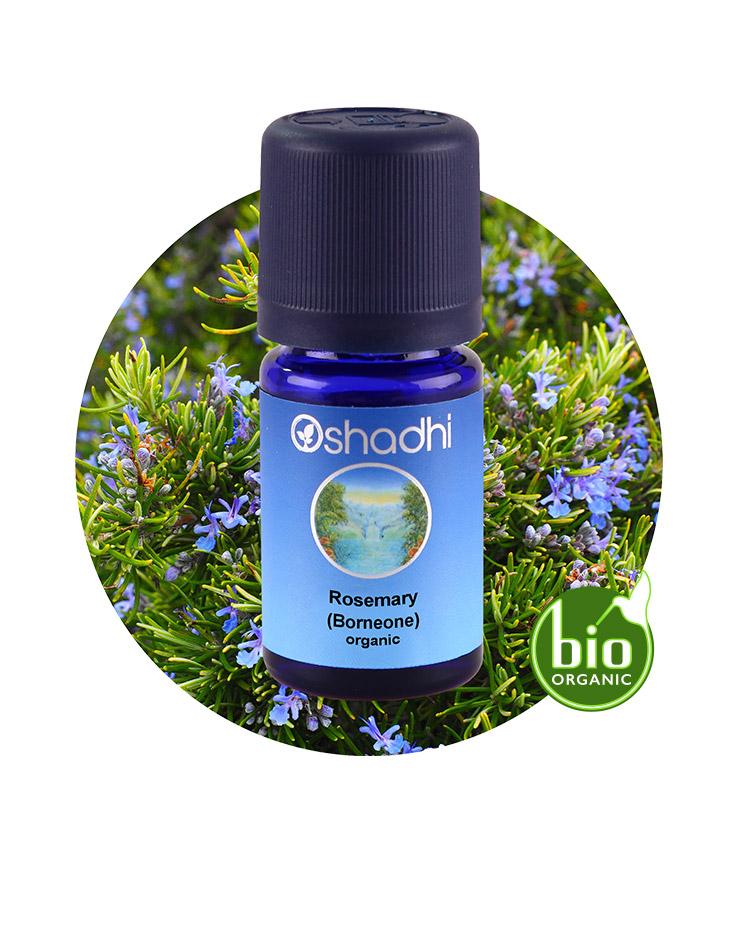
Borneone is often misread as borneol. They are different molecules. Borneone is an older name for camphor, a ketone; borneol is the corresponding alcohol. This oil is the camphor chemotype of rosemary.
01 · Origin
Rosmarinus officinalis is an evergreen shrub of the Lamiaceae, native to the Mediterranean. Spanish rosemary is the classic source of the camphor type. This oil is distilled in Spain from the whole plant, wild-crafted under organic certification, DE-ÖKO-007.
02 · Chemistry
Alpha-pinene and camphor lead the profile. 1,8-cineole is present in lower proportion than in the cineole type, and camphene adds a dry, woody-resinous tone. The ketone gives a sharper, warmer character than other rosemary chemotypes.
03 · In Practice
Camphoraceous, herbal and warm, with a spicy-resinous edge. A top to middle note. Massage blends, bath preparations, diffusion and hair-care formulation. Comparative work alongside Rosemary (Cineol) organic (No. 2591) and Rosemary (Verbenone) organic (No. 2620) shows three chemotypes of one species. Blends with lavender, juniper, pine, marjoram, eucalyptus, cedarwood and lemon.
General information: For external use only. Dilute before applying to skin. Keep away from heat and sunlight. Keep out of reach of children. Avoid contact with eyes and mucous membranes.
How to use Essential Oils
Find out more about how Essential Oils can be used and the different application methods:
https://oshadhi.com/pages/how-to-use-essential-oils