

Pepper, Tasmanian
Pepper, Tasmanian
Low stock: 6 left
Sell by Date: March 2029
Couldn't load pickup availability
Product No. 2483
Tasmannia lanceolata
| Origin | New Zealand |
| Plant part | Twigs |
| Cultivation | Wild |
| Extraction | Distilled |
| Main constituents | 9,10-Dimethylanthracene, beta-Gurjunene, Calamenene, alpha-Pinene, 1,8-Cineol, Linalool, alpha-Cubebene |
| Aroma | Resinous, Spicy, Woody |
| Ingredients (INCI) | Tasmannia Lanceolata Leaf Oil |
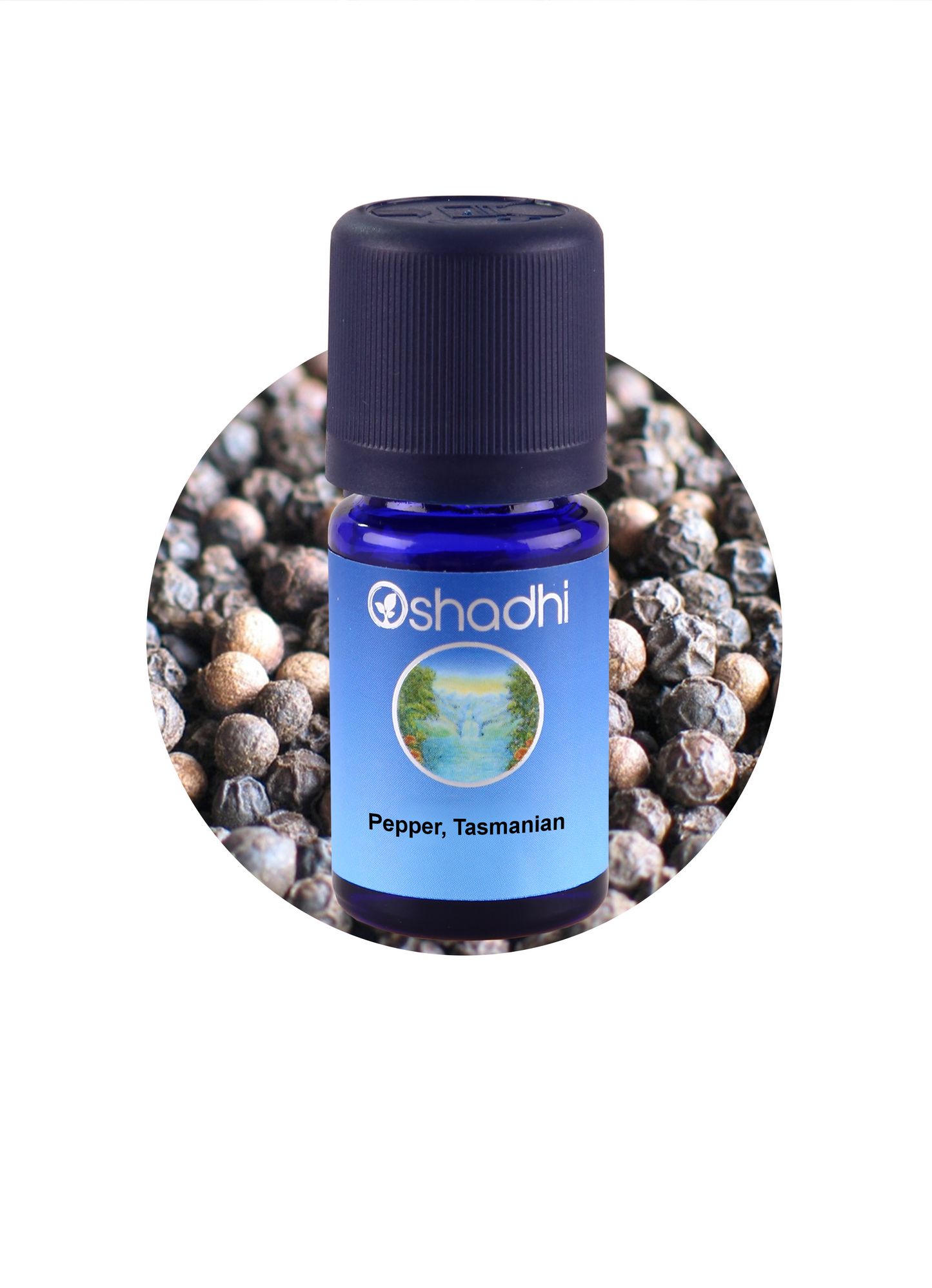
Tasmanian pepper is not a pepper. It has no relation to Piper nigrum. Tasmannia lanceolata belongs to the Winteraceae, an early-diverging lineage of flowering plants whose members carry a pungency of their own.
01 · Origin
A shrub of cool, wet forest, native to Tasmania and south-eastern Australia. The young stems are a deep red, and the leaves are aromatic when crushed. This oil is distilled from the twigs of wild plants.
02 · Chemistry
An unusual profile. 9,10-Dimethylanthracene is listed first, with the sesquiterpenes beta-gurjunene, calamenene and alpha-cubebene. Alpha-pinene, 1,8-cineole and linalool form the lighter monoterpene fraction. The mix of light and heavy components gives the oil a long development on a smelling strip.
03 · In Practice
Spicy, woody and peppery, with a fresh, slightly floral top. A middle note. Used at low concentration in natural perfumery, massage blends and olfactory study. Comparative work beside Pepper, Black (No. 2500) separates botanical pepper from aromatic pepper. Blends with black pepper, juniper, cedarwood, lemon myrtle, eucalyptus and sandalwood.
General information: For external use only. Dilute before applying to skin. Keep away from heat and sunlight. Keep out of reach of children. Avoid contact with eyes and mucous membranes.
How to use Essential Oils
Find out more about how Essential Oils can be used and the different application methods:
https://oshadhi.com/pages/how-to-use-essential-oils