

Parsley, Curly Leaf
Parsley, Curly Leaf
Low stock: 6 left
Couldn't load pickup availability
Product No. 2422
Petroselinum crispum
| Origin | Austria |
| Plant part | Herb |
| Cultivation | Conventional |
| Extraction | Distilled |
| Main constituents | Para 1,3,8 Menthatriene, alpha-Pinene, Myristicine, beta-Pinene, beta-Phellandrene |
| Aroma | Herbaceous, Spicy, Earthy |
| Ingredients (INCI) | Petroselinum Crispum Oil |
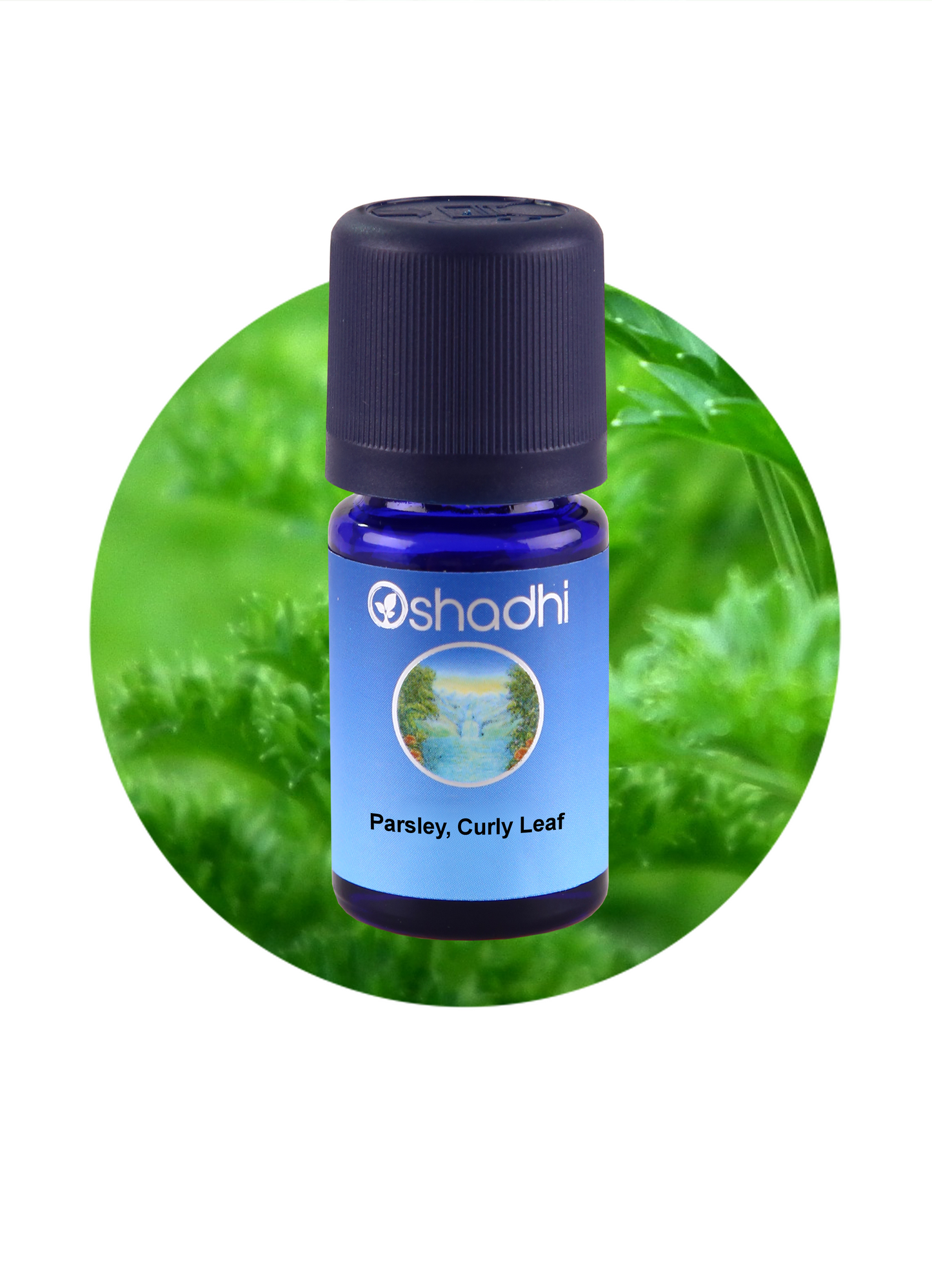
Curly and flat-leaf parsley are cultivated forms of one species, Petroselinum crispum. Leaf and seed oils from that species are not interchangeable. Seed oil is dominated by phenylpropanoids such as apiole. Oil from the curly-leaf herb is led by a terpene.
01 · Origin
A biennial of the carrot family, Apiaceae, native to the eastern Mediterranean and grown across Europe. This oil is distilled from the curly-leaf herb, grown conventionally in Austria.
02 · Chemistry
Para-mentha-1,3,8-triene leads. It is the compound most responsible for the characteristic green scent of fresh parsley leaf. Alpha- and beta-pinene and beta-phellandrene supply the fresh top. Myristicin, a phenylpropanoid, is present in smaller proportion. Parsley (No. 2430) shows a different balance, with limonene and apiole in its profile.
03 · In Practice
Green, leafy and slightly peppery, recognisably the fresh herb. A top note used sparingly. Natural perfumery, where green accents are hard to source naturally, and dilute massage blends. Blends with rose, clary sage, orange, lavender, petitgrain, galbanum and coriander seed.
General information: For external use only. Dilute before applying to skin. Keep away from heat and sunlight. Keep out of reach of children. Avoid contact with eyes and mucous membranes.
How to use Essential Oils
Find out more about how Essential Oils can be used and the different application methods:
https://oshadhi.com/pages/how-to-use-essential-oils