

Oregano, Vulgare (organic)
Oregano, Vulgare (organic)
Low stock: 8 left
Sell by Date: August 2027
Couldn't load pickup availability
Product No. 2350
Origanum vulgare
| Origin | France |
| Plant part | Plant |
| Cultivation | Certified organic |
| Certification | DE-ÖKO-007 |
| Extraction | Distilled |
| Main constituents | Carvacrol, Linalool, Thymol, Paracymene, gamma-Terpinene |
| Aroma | Camphoraceous, Herbaceous, Sweet, Spicy |
| Ingredients (INCI) | Origanum Vulgare Oil* |
*Certified organic, DE-ÖKO-007.
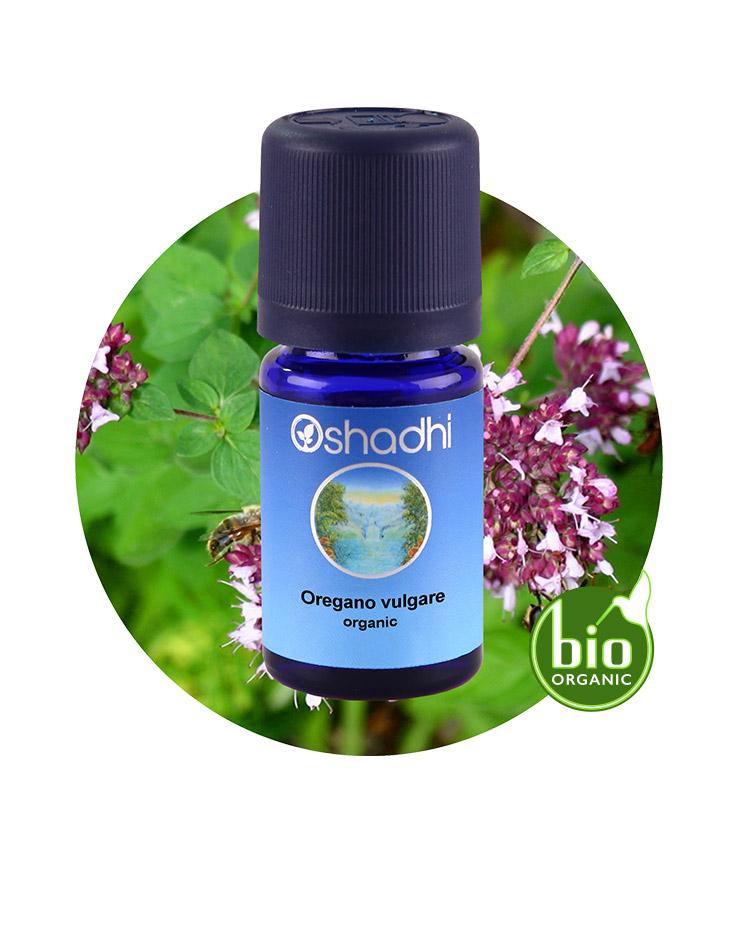
Origanum vulgare is one of the most chemically variable species in the mint family. Populations range from strongly phenolic to almost odourless, with linalool, sabinene and other types in between. The species name alone says little about the oil.
01 · Origin
A perennial of dry grassland and open scrub across Europe and western Asia. This oil is distilled from the whole flowering plant, grown under certified organic cultivation in France (DE-ÖKO-007).
02 · Chemistry
Carvacrol leads. Linalool is present in notable proportion, which softens the profile compared with Moroccan oregano. Thymol, para-cymene and gamma-terpinene complete the main constituents. The phenol content still places it among the oils used at very low dilution.
03 · In Practice
Warm, herbaceous and spicy, with a rounder, slightly floral tone from the linalool. A middle note. Diffusion in small amounts, and highly diluted massage blends. Olfactory comparison with Oregano Compacta (No. 2348) and Oregano, Spain (No. 2341) shows the influence of species and origin on carvacrol-type oils. Blends with lemon, rosemary, lavender, thyme, marjoram, pine and bergamot.
General information: For external use only. Dilute before applying to skin. Keep away from heat and sunlight. Keep out of reach of children. Avoid contact with eyes and mucous membranes.
How to use Essential Oils
Find out more about how Essential Oils can be used and the different application methods:
https://oshadhi.com/pages/how-to-use-essential-oils