

Oregano, Mexico
Oregano, Mexico
14 in stock
Sell by Date: August 2028
Couldn't load pickup availability
Product No. 2345
Lippia graveolens
| Origin | El Salvador |
| Plant part | Blossom/Plant |
| Cultivation | Wild |
| Extraction | Distilled |
| Main constituents | Carvacrol, Paracymene, gamma-Terpinene, beta-Caryophyllene, Thymol, Myrcene |
| Aroma | Camphoraceous, Herbaceous, Medicinal, Fresh |
| Ingredients (INCI) | Lippia Graveolens Flower Oil |
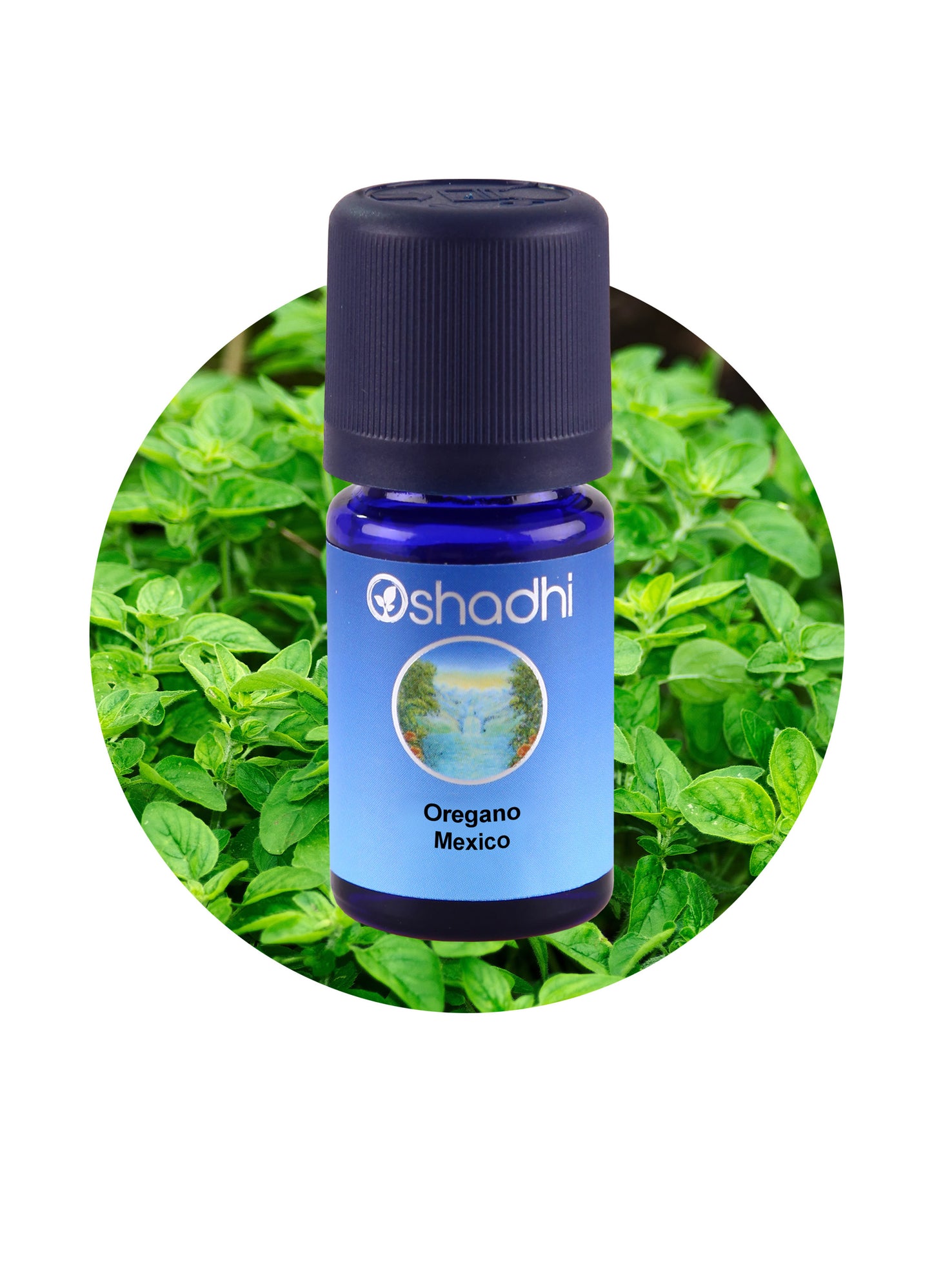
The oregano of Mexican kitchens belongs to another plant family entirely. Lippia graveolens is a member of the verbena family, Verbenaceae, and its common name comes from aroma alone. The likeness is a case of convergent chemistry: like the Mediterranean oreganos, it is built on the phenol carvacrol.
01 · Origin
A shrub of dry scrub and open woodland from the south-western United States through Mexico to Central America. This oil is distilled in El Salvador from the flowering plant, collected wild. Its relatives in the range include Lemon Verbena (No. 1335) and Zimbani (No. 1331).
02 · Chemistry
Carvacrol leads, followed by para-cymene and gamma-terpinene. Beta-caryophyllene, thymol and myrcene complete the main fraction. A phenolic fraction this prominent requires high dilution for any skin application.
03 · In Practice
Hot, herbaceous and spicy, with a dry, earthy note and a slight citrus edge that sets it apart from Spanish oregano (No. 2341). A middle note used in small proportion. Diffusion in combination, massage blends at very low concentration and comparative olfactory study of the carvacrol oils. Blends with lemon, orange, rosemary, lavender, cedarwood, pine and black pepper.
General information: For external use only. Dilute before applying to skin. Keep away from heat and sunlight. Keep out of reach of children. Avoid contact with eyes and mucous membranes.
How to use Essential Oils
Find out more about how Essential Oils can be used and the different application methods:
https://oshadhi.com/pages/how-to-use-essential-oils