

Orange, Bitter (Organic)
Orange, Bitter (Organic)
Low stock: 7 left
Sell by Date: March 2027
Couldn't load pickup availability
Product No. 2510
Citrus aurantium
| Origin | Egypt |
| Plant part | Fruits |
| Cultivation | Certified organic |
| Certification | DE-ÖKO-007 |
| Extraction | Coldpressed |
| Main constituents | Limonene, Myrcene, Sabinene |
| Aroma | Citrus, Fruity, Fresh |
| Ingredients (INCI) | Citrus Aurantium Fruit Oil* |
*Certified organic, DE-ÖKO-007.
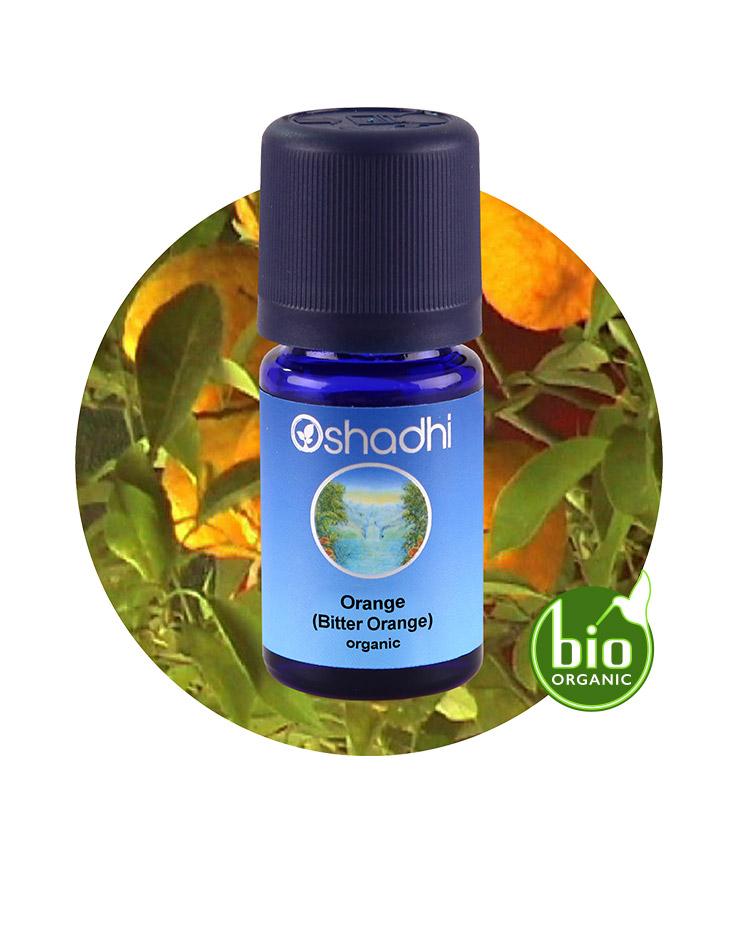
One tree, Citrus aurantium, supplies three distinct oils. The flowers give neroli, the leaves and twigs give petitgrain, and the peel gives bitter orange. The three are often grouped as one family of scents. In a formula they behave as separate materials.
01 · Origin
The bitter or Seville orange is a hybrid of the pomelo and the mandarin, grown more for its aromatic parts than for its sour fruit. This oil is cold-pressed from the peel of certified organic fruit grown in Egypt.
02 · Chemistry
Limonene dominates, as in all orange peel oils. Myrcene and sabinene follow. Cold pressing keeps the non-volatile fraction, including furocoumarins, in the oil. Bitter orange peel oil is phototoxic, and leave-on skin products are formulated within recognised limits for it.
03 · In Practice
Fresh, dry and slightly bitter, with less sugar than sweet orange and a faint floral undertone. A top note. Diffusion, rinse-off bath and body products, and natural perfumery, where it lifts colognes and chypres. Comparative study with Neroli (No. 2261), Petitgrain Bigarade (No. 2450) and Orange, Sweet (No. 2310) maps the full tree. Blends with lavender, clary sage, frankincense, clove, cinnamon and black pepper.
General information: For external use only. Dilute before applying to skin. Keep away from heat and sunlight. Keep out of reach of children. Avoid contact with eyes and mucous membranes.
How to use Essential Oils
Find out more about how Essential Oils can be used and the different application methods:
https://oshadhi.com/pages/how-to-use-essential-oils