

Niaouli (Linalool)
Niaouli (Linalool)
Low stock: 1 left
Sell by Date: March 2027
Couldn't load pickup availability
Product No. 2290
Melaleuca quinquenervia lin.
| Origin | Australia |
| Plant part | Leaves |
| Cultivation | Wild |
| Extraction | Distilled |
| Main constituents | Linalool, trans-Nerolidol, beta-Caryophyllene |
| Aroma | Camphoraceous, Herbaceous, Medicinal |
| Ingredients (INCI) | Melaleuca Quinquenervia Leaf Oil |
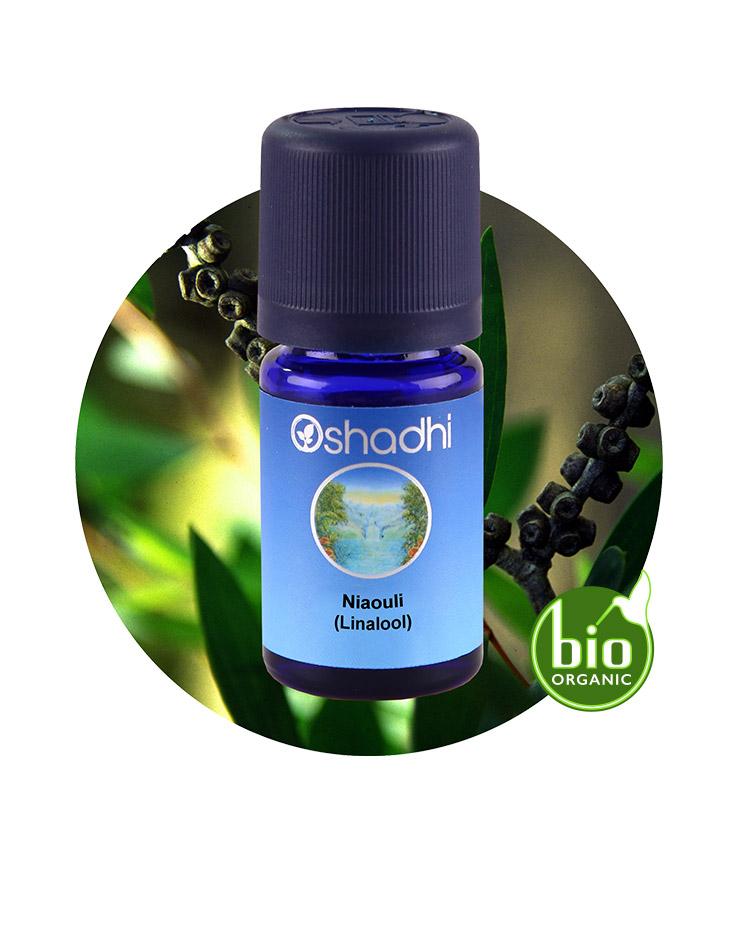
Niaouli is generally known as a cineole oil. Melaleuca quinquenervia occurs in several chemotypes, and this is not that one. It is the linalool and nerolidol type, sold in Australia as nerolina, and its odour sits much closer to a floral than a camphoraceous oil.
01 · Origin
A broad-leaved paperbark of the myrtle family, Myrtaceae, growing in swampy coastal ground along eastern Australia. This oil is distilled from the leaves of wild trees in Australia.
02 · Chemistry
Linalool leads, with trans-nerolidol in strong second position. Beta-caryophyllene adds a dry, peppery edge. 1,8-cineole, the marker of the common chemotype, is not among the main constituents. Chemotype identification by GC/MS is the only reliable way to tell the two apart in the bottle.
03 · In Practice
Soft, sweet and floral-woody, with a faint green leafiness. A middle note. Diffusion, massage blends, skincare formulation and natural perfumery, where it bridges citrus top notes and woods. Blends with lavender, bergamot, petitgrain, rosewood, geranium, sandalwood and ho leaf.
General information: For external use only. Dilute before applying to skin. Keep away from heat and sunlight. Keep out of reach of children. Avoid contact with eyes and mucous membranes.
How to use Essential Oils
Find out more about how Essential Oils can be used and the different application methods:
https://oshadhi.com/pages/how-to-use-essential-oils