

Myrtle (Anise Myrtle)
Myrtle (Anise Myrtle)
Low stock: 2 left
Sell by Date: March 2027
Couldn't load pickup availability
Product No. 2188
Backhousia anisata
| Origin | Australia |
| Plant part | Leaves |
| Cultivation | Wild |
| Extraction | Distilled |
| Main constituents | trans-Anethol, Methyl chavicol (Estragole), Anisaldehyd, cis-Anethol |
| Aroma | Herbaceous, Sweet |
| Ingredients (INCI) | Backhousia Anisata Leaf Oil |
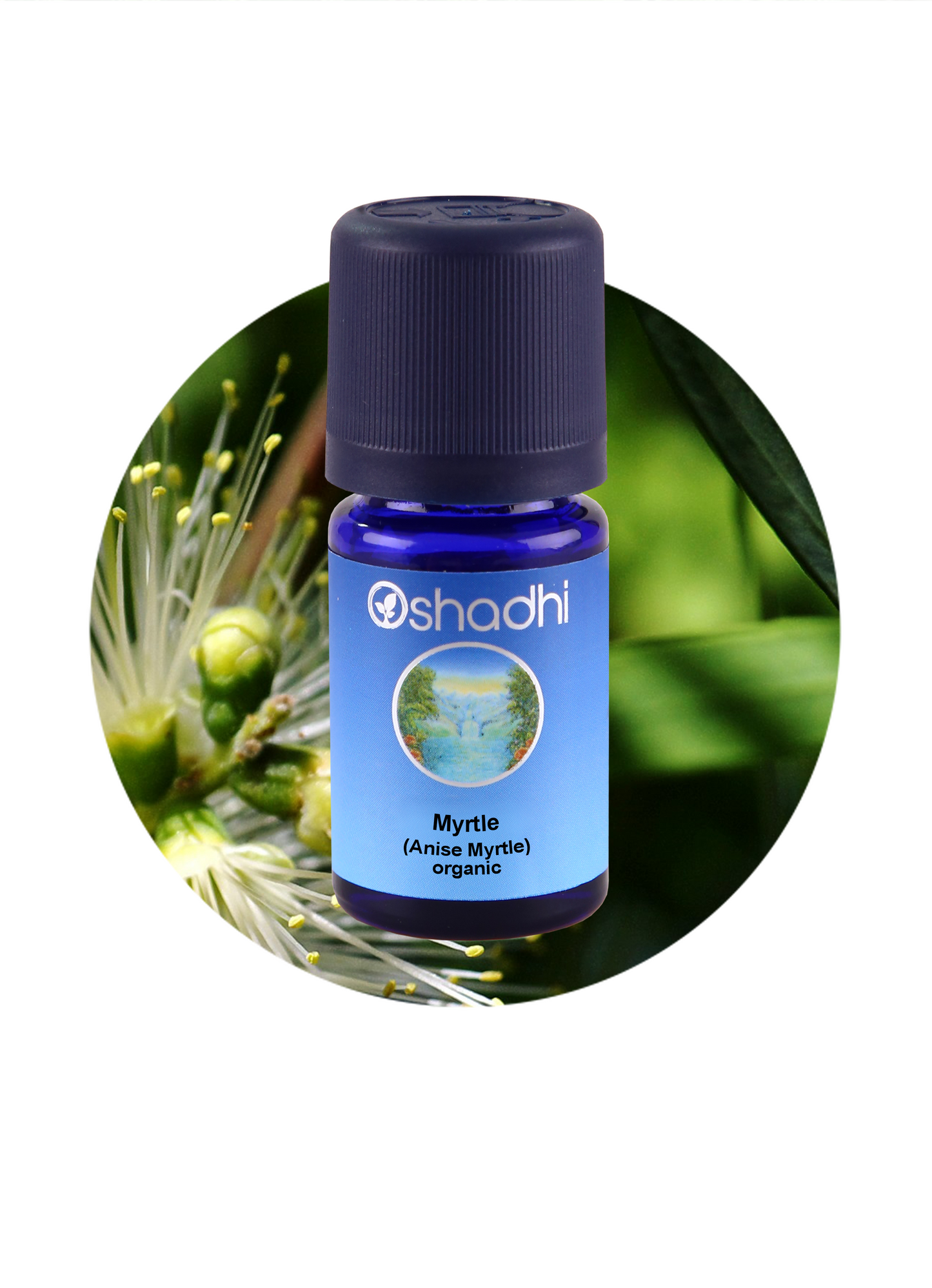
Anise myrtle is neither anise nor a true myrtle. Backhousia anisata, now often placed in Syzygium, is an Australian rainforest tree of the myrtle family. It shares trans-anethole with anise and star anise, but none of their botany.
01 · Origin
A tree of the subtropical rainforests of northern New South Wales, with a limited natural range. This oil is distilled from the leaves of wild trees in Australia.
02 · Chemistry
Trans-anethole dominates. Methyl chavicol, also called estragole, is a secondary constituent. Anisaldehyde contributes a sweet, floral-powdery tone, and cis-anethole is present in small amounts. Like other anethole-rich oils, it may crystallise in a cool room; gentle warming restores it.
03 · In Practice
Sweet and liquorice-like, with a fresher, greener lift than the seed and fruit oils. A middle note. Used sparingly in diffusion, massage oils and perfumery. Comparison with Anise (No. 1080) and Anise, Star (No. 1091) shows three unrelated sources of the same dominant molecule. Blends with orange, mandarin, lemon myrtle, ginger, cardamom, fennel and black pepper.
General information: For external use only. Dilute before applying to skin. Keep away from heat and sunlight. Keep out of reach of children. Avoid contact with eyes and mucous membranes.
How to use Essential Oils
Find out more about how Essential Oils can be used and the different application methods:
https://oshadhi.com/pages/how-to-use-essential-oils