

Myrtle
Myrtle
12 in stock
Couldn't load pickup availability
Product No. 2180
Myrtus communis cineoliferum
| Origin | Tunisia |
| Plant part | Twigs/Leaves |
| Cultivation | Wild |
| Extraction | Distilled |
| Main constituents | 1,8-Cineol, alpha-Pinene, Myrtenyl acetate, Limonene, alpha-Terpineol, Myrtenol |
| Aroma | Camphoraceous, Herbaceous, Minty, Fresh |
| Ingredients (INCI) | Myrtus Communis Leaf Oil |
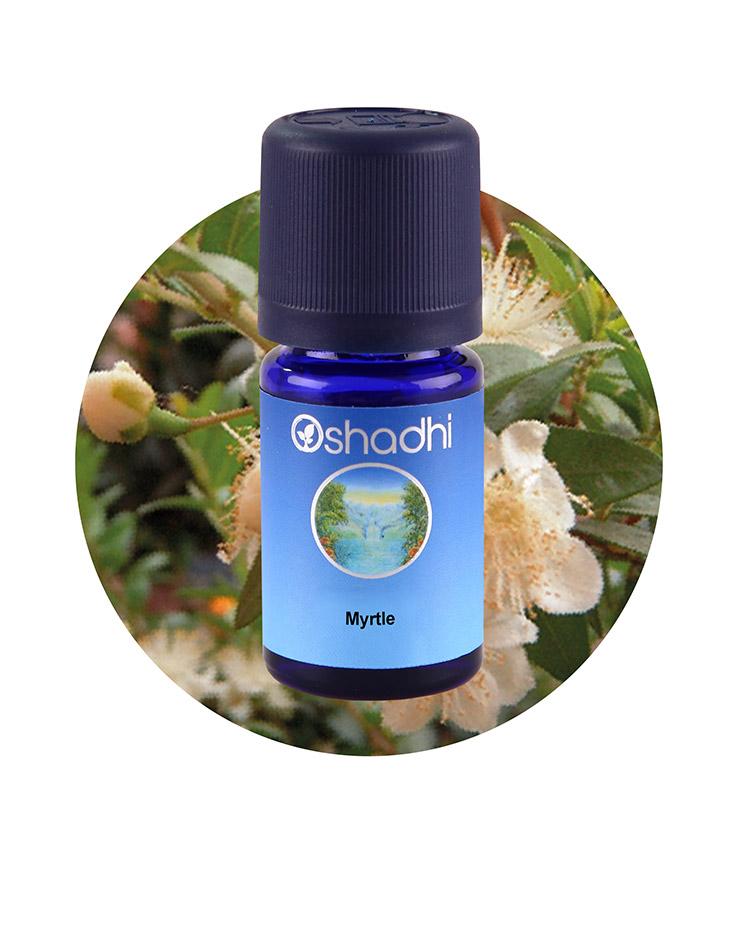
Myrtle varies sharply by provenance. Some Mediterranean populations are rich in myrtenyl acetate; others are led by 1,8-cineole and alpha-pinene. This Tunisian oil belongs to the cineole type, and the distinction matters for any formula.
01 · Origin
Myrtus communis is an evergreen shrub of the myrtle family, Myrtaceae, native to the Mediterranean basin. It was sacred to Aphrodite in Greek tradition. This oil is distilled from the twigs and leaves of wild shrubs in Tunisia.
02 · Chemistry
1,8-cineole and alpha-pinene lead. Myrtenyl acetate, limonene, alpha-terpineol and myrtenol follow. Myrtenyl acetate and myrtenol are the species markers, and their proportion helps distinguish one myrtle oil from another.
03 · In Practice
Fresh, camphoraceous and green, with a slightly sweet, resinous undertone. A top note. Applications include diffusion, bath blends and massage. Comparison with Myrtle, Green (No. 2185) shows the chemotype range. Lemon Myrtle (No. 2182) is a separate Australian genus and shares only the common name. Blends with eucalyptus, lavender, rosemary, bergamot, lemon, pine and frankincense.
General information: For external use only. Dilute before applying to skin. Keep away from heat and sunlight. Keep out of reach of children. Avoid contact with eyes and mucous membranes.
How to use Essential Oils
Find out more about how Essential Oils can be used and the different application methods:
https://oshadhi.com/pages/how-to-use-essential-oils