

Mint, Horse (Organic)
Mint, Horse (Organic)
Low stock: 7 left
Couldn't load pickup availability
Product No. 2135
Mentha longifolia
| Origin | Albania |
| Plant part | Blossom/Plant |
| Cultivation | Certified organic |
| Extraction | Distilled |
| Main constituents | Linalool, Pipertone epoxide, Pipertone, Pipertenone oxide, 1,8-Cineol, Caryophyllene, Limonene |
| Aroma | Minty, Sweet, Fresh |
| Ingredients (INCI) | Mentha Longifolia Flower Oil* |
*Certified organic.
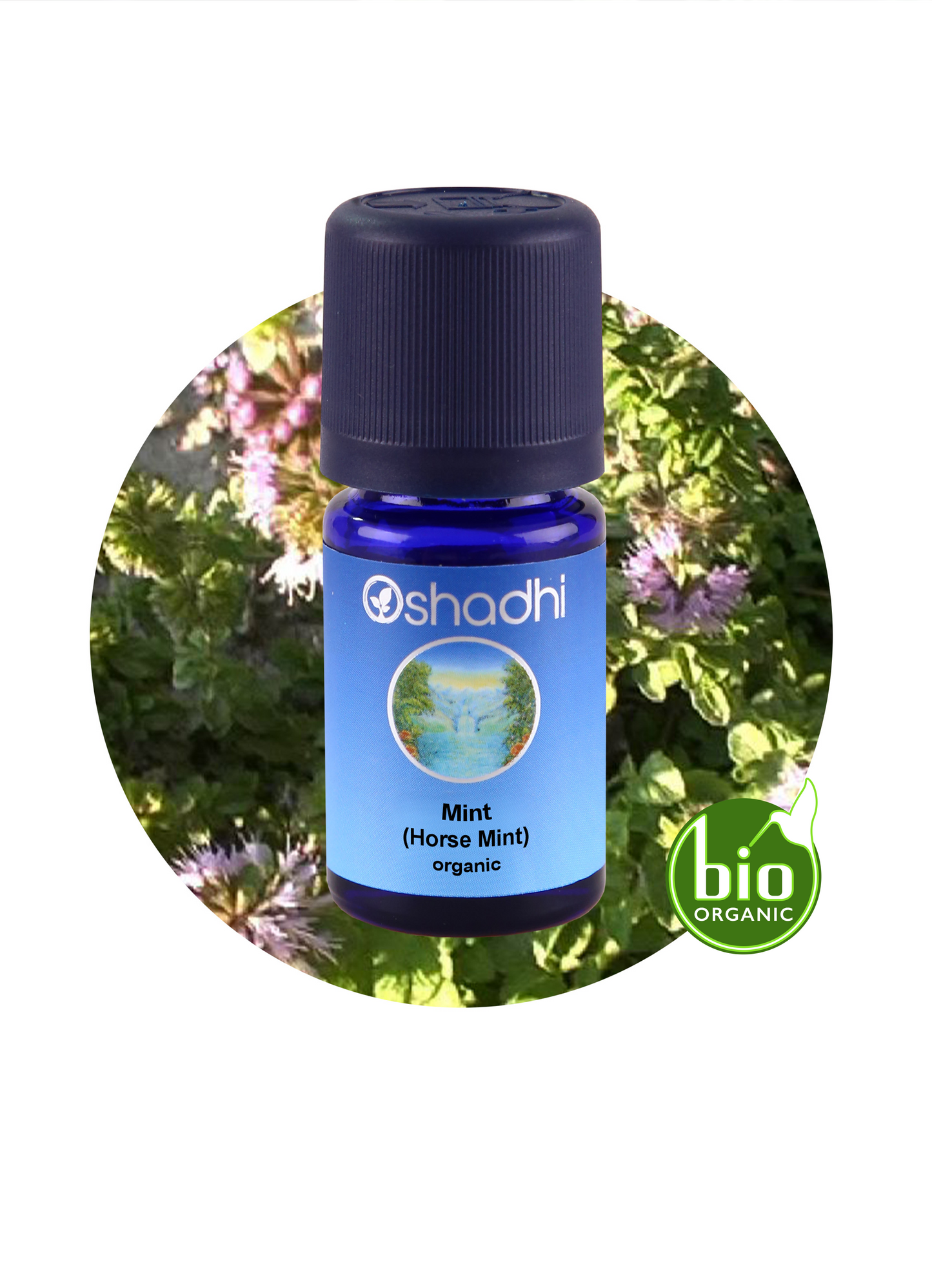
Horse mint is often stocked as a rough substitute for peppermint. The comparison misleads. Mentha longifolia carries little menthol. Its character comes from piperitone and its oxides, a ketone family that gives a sharper, drier mint than Mentha piperita.
01 · Origin
A tall, grey-leaved mint of damp ground across Europe, western Asia and Africa. The leaves are covered in soft hairs, which gives the plant its silvery look. This oil is distilled in Albania from the flowering plant of certified organic cultivation.
02 · Chemistry
Linalool leads, with piperitone epoxide, piperitone and piperitenone oxide close behind. 1,8-Cineole, caryophyllene and limonene complete the profile. Mentha longifolia is chemically variable across its range, and the oxide-rich type offered here is one of several.
03 · In Practice
Fresh, herbaceous and slightly camphoraceous, with a softer floral undertone from the linalool. A top note. Diffusion, massage blends and olfactory study. Comparative work beside Peppermint, Mitcham (No. 2085) shows the distance between a menthol mint and a ketone mint. Blends with lavender, rosemary, basil, lemon, eucalyptus and clary sage.
General information: For external use only. Dilute before applying to skin. Keep away from heat and sunlight. Keep out of reach of children. Avoid contact with eyes and mucous membranes.
How to use Essential Oils
Find out more about how Essential Oils can be used and the different application methods:
https://oshadhi.com/pages/how-to-use-essential-oils