

Lovage
Lovage
Low stock: 6 left
Sell by Date: March 2027
Couldn't load pickup availability
Product No. 1960
Levisticum officinale
| Origin | Hungary |
| Plant part | Plant |
| Cultivation | Conventional |
| Extraction | Distilled |
| Main constituents | Terpenyl-Acetate, beta-Phellandrene, Limonene, Myrcene, cis-beta-Ocimene, Ligustide |
| Aroma | Herbaceous, Spicy, Earthy, Sweet |
| Ingredients (INCI) | Levisticum Officinale Oil |
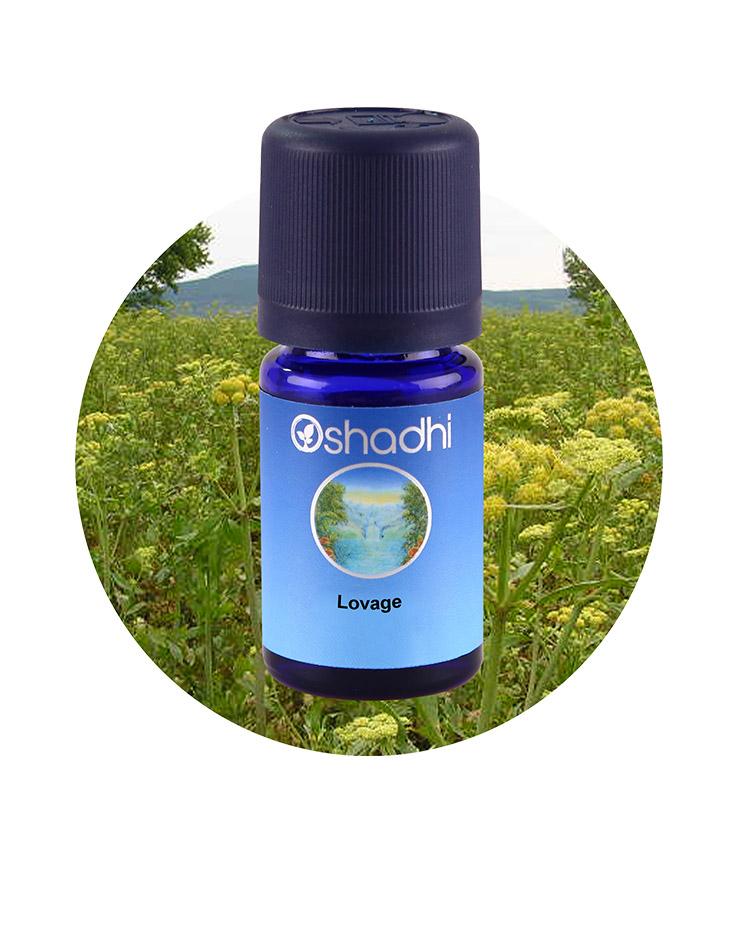
In German-speaking countries lovage is called Maggikraut, because the herb smells of a well-known liquid seasoning. The seasoning has never been made from it. The resemblance comes from phthalides, the same class of lactones that gives celery its smell.
01 · Origin
Levisticum officinale is a tall perennial of the carrot family, Apiaceae, long grown in European kitchen and cottage gardens. This oil is distilled in Hungary from the aerial plant of conventional cultivation. Root and herb are distilled separately and give oils of different balance.
02 · Chemistry
Terpenyl acetate and beta-phellandrene lead the profile. Limonene, myrcene and cis-beta-ocimene add a fresh, green lift. Ligustilide, the principal phthalide, is present in smaller proportion and carries the savoury, celery-like depth. Its odour impact far exceeds its share of the oil.
03 · In Practice
Warm, green and herbaceous, with a sweet, yeasty, celery-like undertone. A heart note of great strength, where a trace is often enough. Used in natural perfumery for herbal and spicy accords, and in massage blends at low concentration. Blends with galbanum, oakmoss, lavender, rose, angelica root, bay and the spice oils.
General information: For external use only. Dilute before applying to skin. Keep away from heat and sunlight. Keep out of reach of children. Avoid contact with eyes and mucous membranes.
How to use Essential Oils
Find out more about how Essential Oils can be used and the different application methods:
https://oshadhi.com/pages/how-to-use-essential-oils