

Lavender, Sevilla (Organic)
Lavender, Sevilla (Organic)
Low stock: 3 left
Sell by Date: March 2029
Couldn't load pickup availability
Product No. 1916
Lavandula luisieri
| Origin | Portugal |
| Plant part | Blossom/Plant |
| Cultivation | Certified organic |
| Extraction | Distilled |
| Main constituents | alpha-Luisieryl acetate, alpha-Luisierol, 1,8-Cineol, Lavandulyl acetate |
| Aroma | Herbaceous, Camphoraceous, Floral |
| Ingredients (INCI) | Lavandula Luisieri Flower Oil* |
*Certified organic.
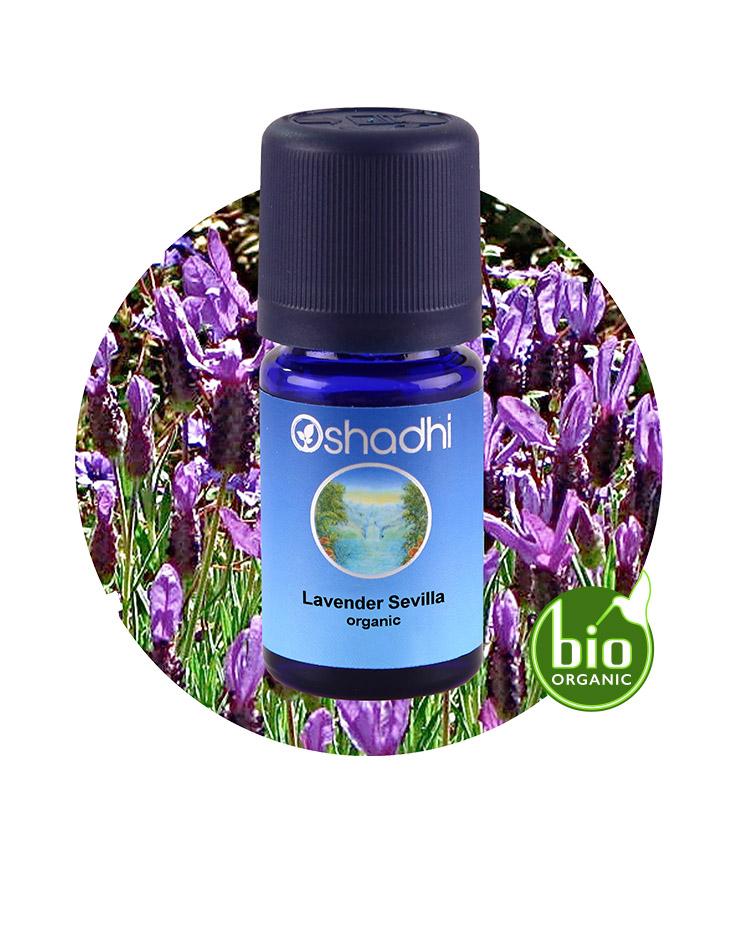
Lavender Sevilla is not a cultivar of true lavender. It is Lavandula luisieri, an Iberian species of the stoechas group, and it contains compounds found in no other lavender: the necrodane derivatives, of which alpha-luisieryl acetate is the marker.
01 · Origin
A wild lavender of the Iberian Peninsula, growing on dry, acid soils. This oil is distilled in Portugal from the flowering plant, from certified organic material.
02 · Chemistry
Alpha-luisieryl acetate and alpha-luisierol lead, giving an odour unlike that of any other lavender. 1,8-cineole adds freshness. Lavandulyl acetate links it to the wider genus. Linalyl acetate, the dominant ester of Lavandula angustifolia, is not a principal constituent. Comparative work alongside Lavender, Stoechas (No. 1920) places it within its section.
03 · In Practice
Herbaceous, sweet and slightly fruity, with a camphoraceous lift and a dry, hay-like finish. A middle note. Diffusion, massage blends and natural perfumery, where it adds an unfamiliar lavender facet. Blends with rosemary, cistus, bergamot, clary sage, cypress, pine and labdanum.
General information: For external use only. Dilute before applying to skin. Keep away from heat and sunlight. Keep out of reach of children. Avoid contact with eyes and mucous membranes.
How to use Essential Oils
Find out more about how Essential Oils can be used and the different application methods:
https://oshadhi.com/pages/how-to-use-essential-oils