

Lavender, Absolute
Lavender, Absolute
Out of stock
Couldn't load pickup availability
Product No. 1913
Lavandula angustifolia
| Origin | France |
| Plant part | Blossom/Plant |
| Cultivation | Conventional |
| Extraction | Extracted |
| Main constituents | Linalyl acetate, Linalool, Coumarine |
| Aroma | Floral, Herbaceous, Sweet, Balsamic |
| Ingredients (INCI) | Lavandula Angustifolia Flower Extract |
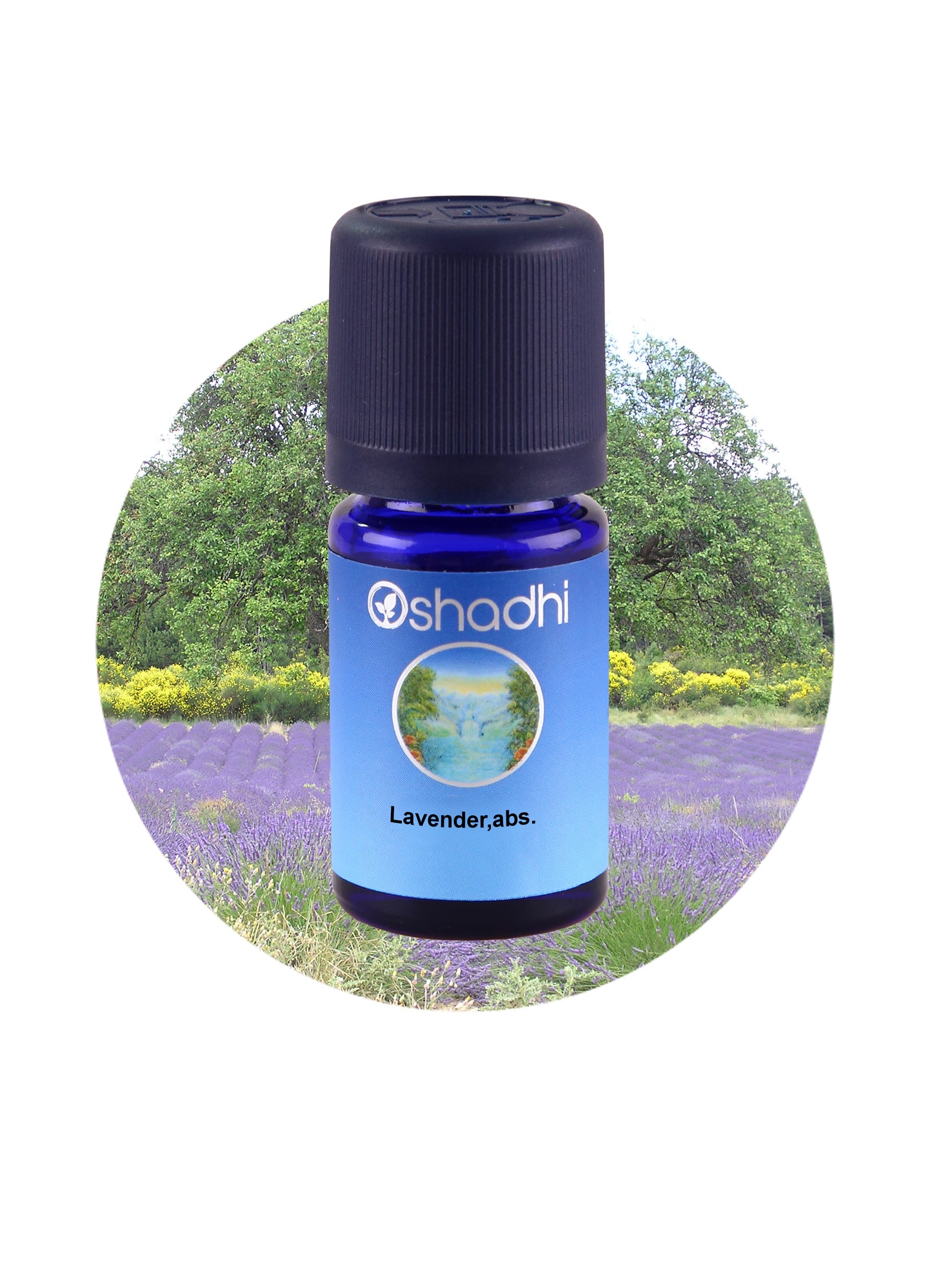
Lavender absolute is not a stronger version of lavender oil. It is a different material. Solvent extraction captures heavier constituents that distillation leaves behind, coumarin among them, and the result is darker, thicker and far closer to the dried flower.
01 · Origin
Lavandula angustifolia is the true lavender, a shrub of the mint family, Lamiaceae, native to the mountains of the western Mediterranean. This absolute is produced in France from the flowering plant, from conventional cultivation.
02 · Process
The flowering plant is extracted with solvent to give a waxy concrete. The concrete is washed with alcohol, chilled and filtered to remove waxes, and the alcohol is then removed. Linalyl acetate and linalool lead, as in the distilled oil. Coumarin, with its sweet, hay-like odour, is present in far greater proportion.
03 · In Practice
Rich, herbaceous and sweet, with a hay and tobacco undertone. A middle note with good tenacity. Natural perfumery above all: lavender and coumarin are the core of the fougère accord. Comparative work alongside Lavender Highland, Bulgaria (No. 1907) shows plainly what the method of extraction changes. Blends with tonka, oakmoss, bergamot, clary sage, rose, vetiver and labdanum.
General information: For external use only. Dilute before applying to skin. Keep away from heat and sunlight. Keep out of reach of children. Avoid contact with eyes and mucous membranes.
How to use Essential Oils
Find out more about how Essential Oils can be used and the different application methods:
https://oshadhi.com/pages/how-to-use-essential-oils