

Eucalyptus Citriodora (organic)
Eucalyptus Citriodora (organic)
Out of stock
Couldn't load pickup availability
Product No. 1396
Eucalyptus citriodora
| Origin | Madagascar |
| Plant part | Leaves |
| Cultivation | Certified organic |
| Extraction | Distilled |
| Main constituents | Citronellal, Citronellol, Isopulegol, Neo Isopulegol, Citronellyl acetate, beta-Caryophyllene |
| Aroma | Camphoraceous, Citrus, Minty, Fresh |
| Ingredients (INCI) | Eucalyptus Citriodora Leaf Oil* |
*Certified organic.
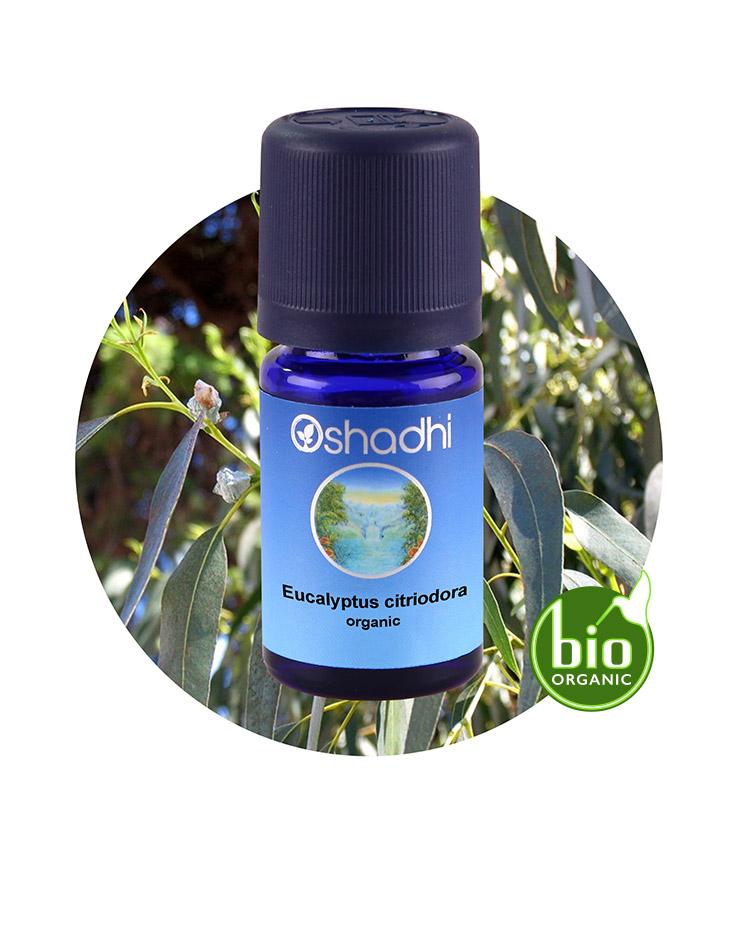
Eucalyptus is assumed to smell of cineole. Eucalyptus citriodora contains very little. Its oil is dominated by citronellal and smells of lemon. The species has also been reclassified as Corymbia citriodora, and both names are used in the trade.
01 · Origin
Lemon-scented gum is a tall, smooth-barked tree of the Myrtaceae, native to Queensland and widely planted in the tropics. This oil is distilled in Madagascar from the leaves of certified organic trees.
02 · Chemistry
Citronellal is the dominant constituent. Citronellol, isopulegol and neo-isopulegol follow, with citronellyl acetate and beta-caryophyllene. The aldehyde-led profile places the oil with citronella and lemongrass rather than with the cineole eucalypts. Comparison with Eucalyptus Globulus (No. 1370) makes the difference plain.
03 · In Practice
Sharp, lemony and fresh, with a green, slightly balsamic undertone. A top note. Diffusion, outdoor and room blends, and natural perfumery. Used at low concentration in massage blends. Blends with lavender, cedarwood, geranium, tea tree, rosemary, lemongrass and pine.
General information: For external use only. Dilute before applying to skin. Keep away from heat and sunlight. Keep out of reach of children. Avoid contact with eyes and mucous membranes.
How to use Essential Oils
Find out more about how Essential Oils can be used and the different application methods:
https://oshadhi.com/pages/how-to-use-essential-oils