

Cypress, Blue
Cypress, Blue
Low stock: 9 left
Sell by Date: January 2027
Couldn't load pickup availability
Product No. 3185
Callitris intratropica
| Origin | Australia |
| Plant part | Wood |
| Cultivation | Wild |
| Extraction | Distilled |
| Main constituents | Guaiol, Bulnesol, gamma-Eudesmol, alpha- & beta Eudesmol, alpha- & beta-Selinene |
| Aroma | Woody, Balsamic, Sweet |
| Ingredients (INCI) | Callitris Intratropica Wood Oil |
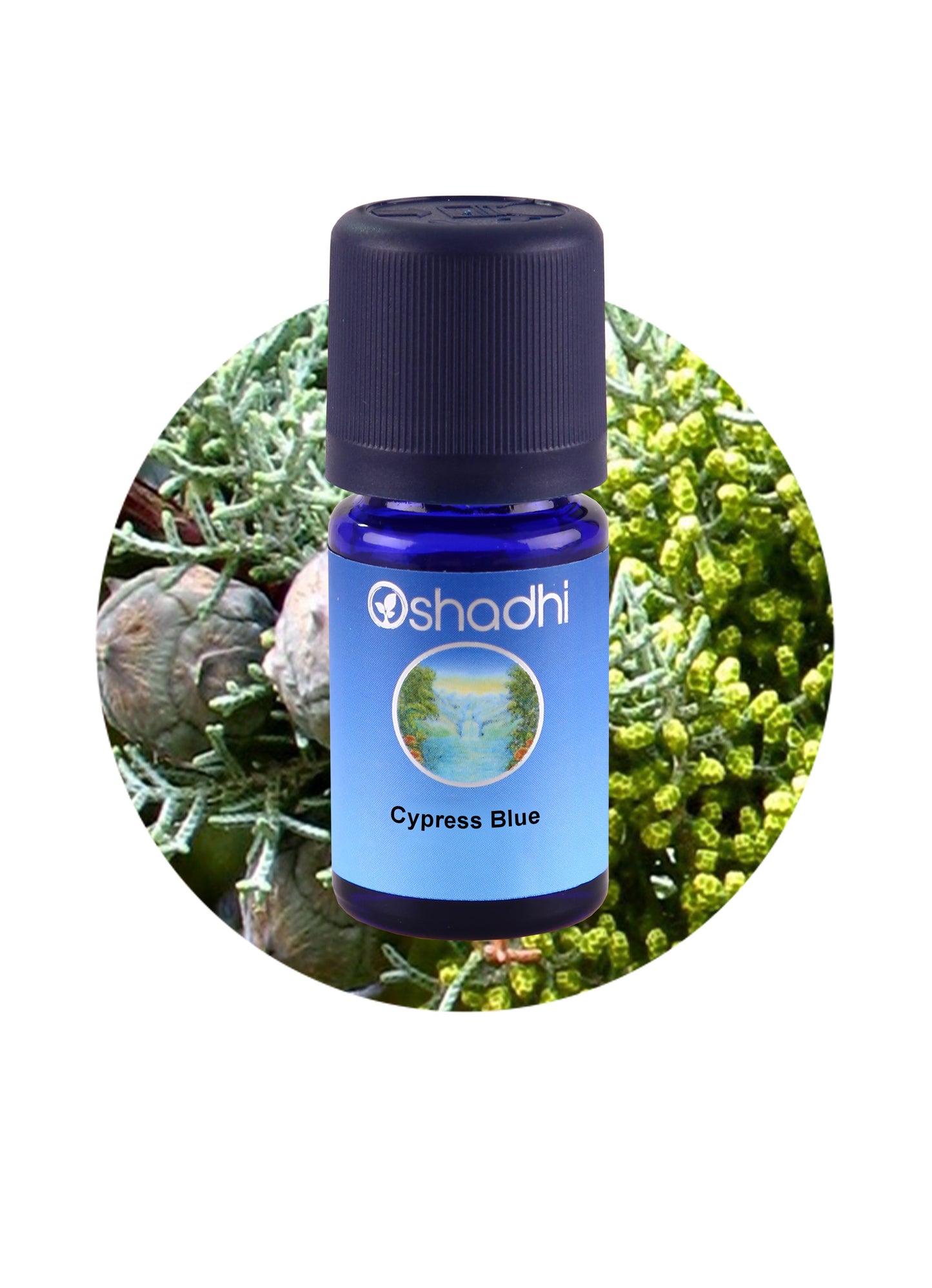
Blue cypress is not a cypress in the strict sense. Callitris belongs to the Cupressaceae but forms its own genus, the southern cypress-pines of Australia. Its blue colour comes from guaiazulene, not from the chamazulene of chamomile and yarrow.
01 · Origin
Callitris intratropica grows across the tropical north of Australia. This oil is distilled from the wood of wild trees in Australia.
02 · Chemistry
A sesquiterpene oil. Guaiol and bulnesol, two guaiane alcohols, lead the profile, with gamma-eudesmol and alpha- and beta-eudesmol close behind. Alpha- and beta-selinene complete it. Alcohols of this kind give a dense, slow-evaporating oil with considerable tenacity.
03 · In Practice
Sweet, woody and smoky-balsamic, with a soft resinous depth. A base note and a fixative in natural perfumery. Massage blends, meditation practice and skincare formulation. Comparative work with White Cypress Wood Oil (No. 3186), from another Callitris species, shows variation within the genus. The oil is viscous; warm the bottle in the hand for easier dispensing. Blends with sandalwood, vetiver, frankincense, cedarwood, lavender, bergamot and rose.
General information: For external use only. Dilute before applying to skin. Keep away from heat and sunlight. Keep out of reach of children. Avoid contact with eyes and mucous membranes.
How to use Essential Oils
Find out more about how Essential Oils can be used and the different application methods:
https://oshadhi.com/pages/how-to-use-essential-oils