

Cascarilla
Cascarilla
Low stock: 2 left
Sell by Date: August 2028
Couldn't load pickup availability
Product No. 1242
Croton eluterioides Lotsy
| Origin | El Salvador |
| Plant part | Bark |
| Cultivation | Wild |
| Extraction | Distilled |
| Main constituents | alpha & beta-Pinene, alpha-Copaene, Myrcene |
| Aroma | Spicy, Woody, Earthy |
| Ingredients (INCI) | Croton Eluterioides Bark Oil |
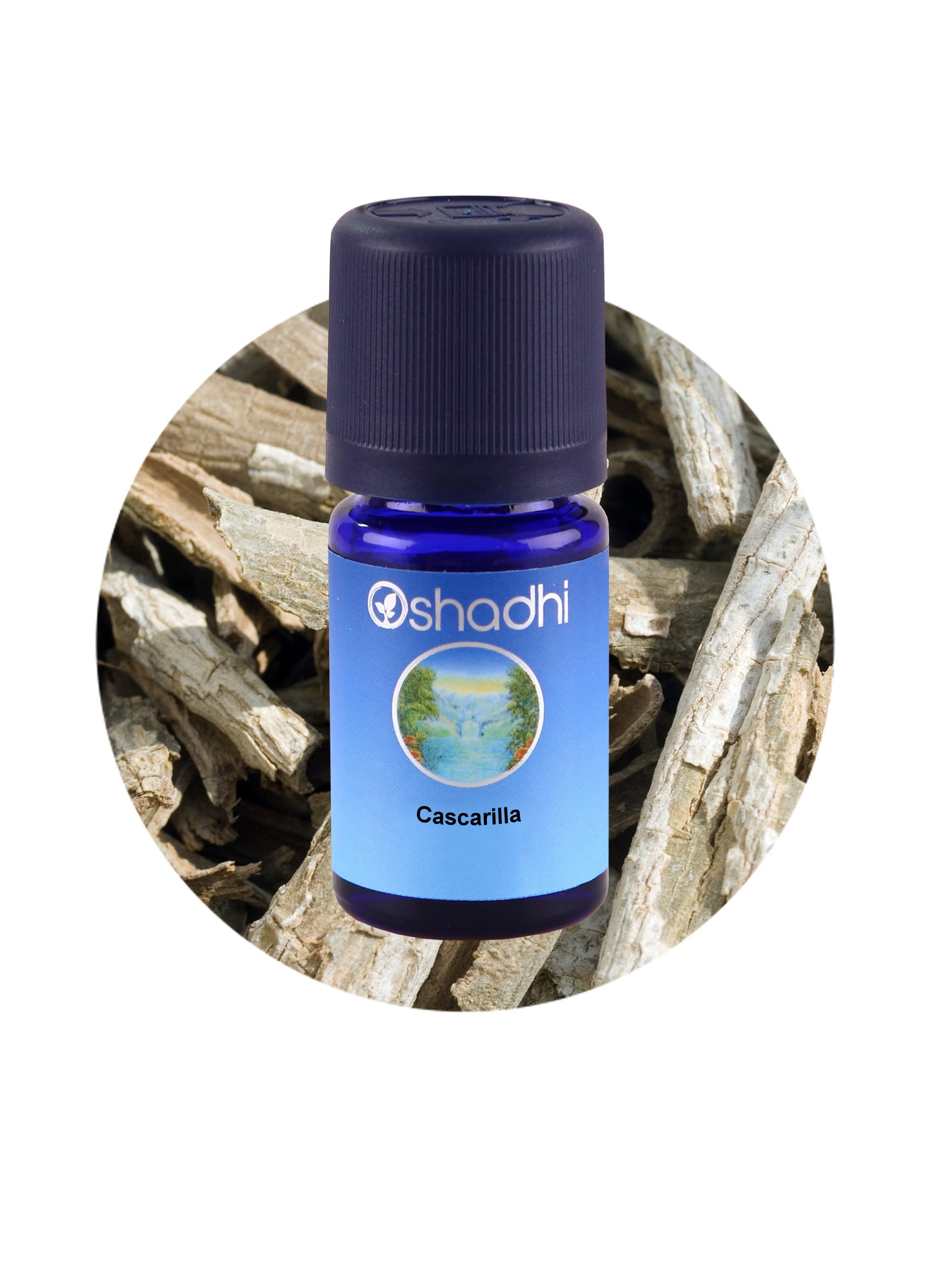
Cascarilla is sometimes confused with cascara. They are unrelated. Cascara is the bark of Rhamnus purshiana, a North American buckthorn. Cascarilla is the aromatic bark of a Croton, a member of the spurge family, Euphorbiaceae.
01 · Origin
Cascarilla is a shrub or small tree of the Caribbean and Central America. The bark has long been used as a bittering and flavouring agent in liqueurs and aperitifs. This oil is distilled from the bark of wild plants in El Salvador.
02 · Chemistry
Alpha- and beta-pinene give a resinous opening. Alpha-copaene adds a woody, peppery sesquiterpene depth, and myrcene a soft balsamic note. The combination gives an oil that reads as spice and wood at once.
03 · In Practice
Warm, spicy and woody, with a peppery, faintly nutmeg-like undertone and a light balsamic dry-down. A middle note. Natural perfumery, where it anchors spice accords and leather-type bases, and massage blends at low concentration. Blends with black pepper, nutmeg, clove, cedarwood, vetiver, orange and frankincense.
General information: For external use only. Dilute before applying to skin. Keep away from heat and sunlight. Keep out of reach of children. Avoid contact with eyes and mucous membranes.
How to use Essential Oils
Find out more about how Essential Oils can be used and the different application methods:
https://oshadhi.com/pages/how-to-use-essential-oils