

Camphor
Camphor
Low stock: 2 left
Sell by Date: March 2029
Couldn't load pickup availability
Product No. 1740
Cinnamomum camphora
| Origin | China |
| Plant part | Wood |
| Cultivation | Conventional |
| Extraction | Distilled |
| Main constituents | 1,8-Cineol, Limonene, alpha-Pinene, Paracymene |
| Aroma | Camphoraceous, Woody |
| Ingredients (INCI) | Cinnamomum Camphora Wood Oil |
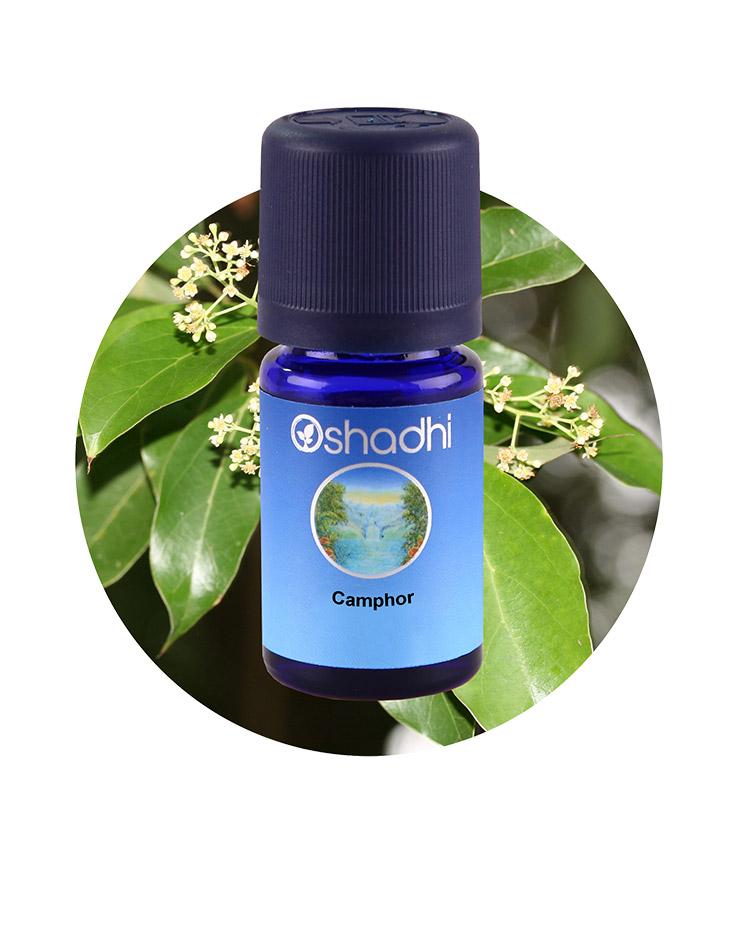
Camphor oil is not dissolved camphor. Crude oil from Cinnamomum camphora is fractionated, and the camphor itself crystallises out. The light fraction that remains, traded as white camphor, is led by 1,8-cineole and monoterpenes, and the constituents of this oil correspond to that fraction.
01 · Origin
Cinnamomum camphora is a large evergreen of the laurel family, Lauraceae, native to China, Japan and Taiwan. The species forms several chemotypes, among them the linalool-rich ho wood and the cineole-rich type grown in Madagascar as ravintsara. This oil is distilled in China from the wood.
02 · Chemistry
1,8-cineole leads. Limonene, alpha-pinene and para-cymene follow. The darker brown and yellow fractions of crude camphor oil, which are rich in safrole, have no place in aromatherapy practice.
03 · In Practice
Sharp, clean and penetrating, camphoraceous with a cool, woody note. Kept to diffusion, wardrobe and drawer sachets, and occasional massage blends at low dilution. Not suited to blends for infants or young children. Blends with rosemary, eucalyptus, lavender, cedarwood, basil and cajeput.
General information: For external use only. Dilute before applying to skin. Keep away from heat and sunlight. Keep out of reach of children. Avoid contact with eyes and mucous membranes.
How to use Essential Oils
Find out more about how Essential Oils can be used and the different application methods:
https://oshadhi.com/pages/how-to-use-essential-oils