

Calamus (organic)
Calamus (organic)
Low stock: 7 left
Sell by Date: March 2029
Couldn't load pickup availability
Product No. 1239
Acorus calamus
| Origin | Nepal |
| Plant part | Roots |
| Cultivation | Wild-crafted organic |
| Extraction | Distilled |
| Main constituents | beta-Asarone, alpha-Asarone, trans-beta-Ocimene |
| Aroma | Earthy, Spicy, Woody |
| Ingredients (INCI) | Acorus calamus Root Oil * |
*Certified organic.
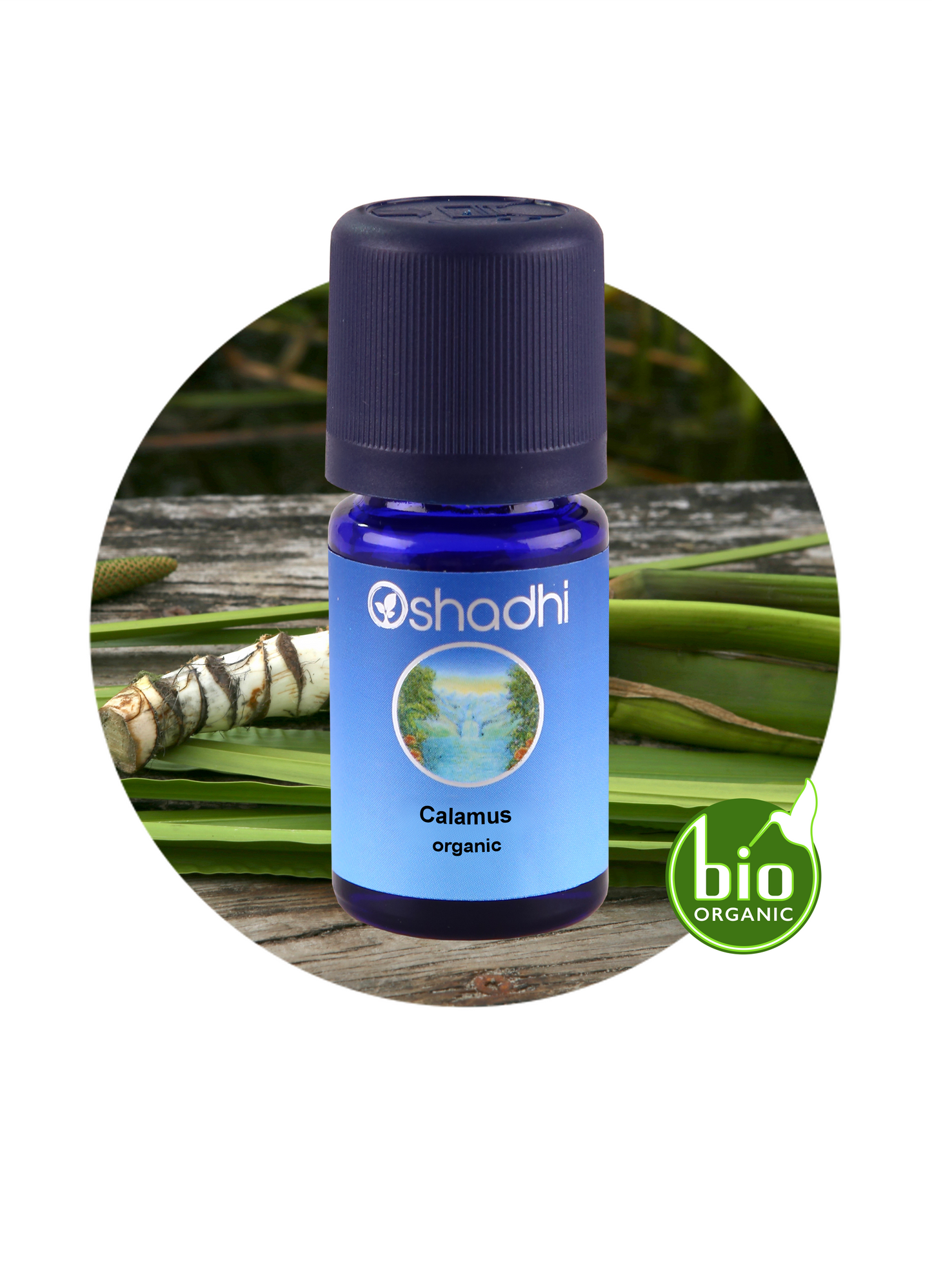
Calamus is often grouped with the irises because of its sword-shaped leaves. It belongs to its own family, Acoraceae, at the base of the monocot lineage. Its chemistry also varies with the plant's chromosome type, and Asian forms are high in beta-asarone.
01 · Origin
Acorus calamus, sweet flag, grows in wetlands and along riverbanks across Asia, Europe and North America. The rhizome has a long history in Ayurveda and in European apothecaries. This oil is distilled from the roots of wild-crafted organic plants in Nepal, certified organic.
02 · Chemistry
beta-Asarone dominates, with alpha-asarone following. These phenylpropanoids carry the warm, spicy, faintly sweet note of the oil. trans-beta-Ocimene gives a lighter, green opening. The asarone content is the reason the oil is restricted to aromatic use.
03 · In Practice
Warm, spicy and earthy, with a balsamic, faintly fruity undertone. A base note in natural perfumery and incense. Diffusion, room scenting, meditation spaces and incense blends only. Blends with frankincense, cedarwood, vetiver, patchouli, labdanum, cinnamon and orange.
General information: For aromatic use only. Not for application to skin and not for internal use. Keep away from heat and sunlight. Keep out of reach of children. Avoid contact with eyes and mucous membranes.
How to use Essential Oils
Find out more about how Essential Oils can be used and the different application methods:
https://oshadhi.com/pages/how-to-use-essential-oils