

Rosemary, Cineol (organic)
Rosemary, Cineol (organic)
Low stock: 2 left
Sell by Date: March 2029
Couldn't load pickup availability
Product No. 2591
Rosmarinus officinalis
| Origin | Morocco |
| Plant part | Blossom/Plant |
| Cultivation | Wild-crafted organic |
| Certification | DE-ÖKO-007 |
| Extraction | Distilled |
| Main constituents | 1,8-Cineol, Camphor, alpha- & beta-Pinene, Camphene |
| Aroma | Camphoraceous, Herbaceous, Spicy, Fresh |
| Ingredients (INCI) | Rosmarinus Officinalis Leaf Oil* |
*Certified organic, DE-ÖKO-007.
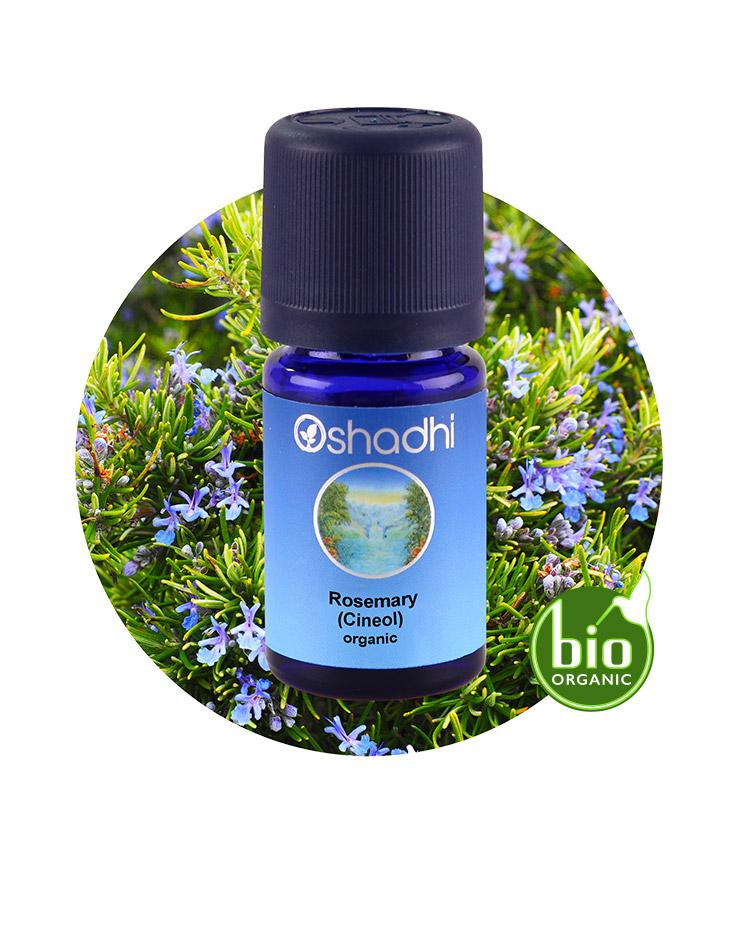
Rosmarinus officinalis has been folded into the genus Salvia and is now listed by many botanists as Salvia rosmarinus. The oil is unchanged. Its chemotype, decided largely by origin, matters more in a formula than either name.
01 · Origin
An evergreen shrub of the mint family, native to the Mediterranean coasts and hills. North African rosemary is characteristically of the cineole type. This oil is distilled in Morocco from the flowering plant, wild-crafted under organic certification (DE-ÖKO-007).
02 · Chemistry
1,8-Cineole, the monoterpene oxide also called eucalyptol, dominates. Camphor follows, then alpha- and beta-pinene and camphene. The cineole lead gives a cleaner, more eucalyptus-like note than the camphor-rich rosemaries. Rosemary Highland, France (No. 2605) and Rosemary, Borneone (No. 2610) make useful points of comparison.
03 · In Practice
Fresh, penetrating and herbaceous, with a cool camphoraceous lift and a dry, woody undertone. A top note. Diffusion, bath preparations, massage blends and hair-care formulation. Blends with lavender, peppermint, eucalyptus, lemon, cedarwood, frankincense and thyme.
General information: For external use only. Dilute before applying to skin. Keep away from heat and sunlight. Keep out of reach of children. Avoid contact with eyes and mucous membranes.
How to use Essential Oils
Find out more about how Essential Oils can be used and the different application methods:
https://oshadhi.com/pages/how-to-use-essential-oils