

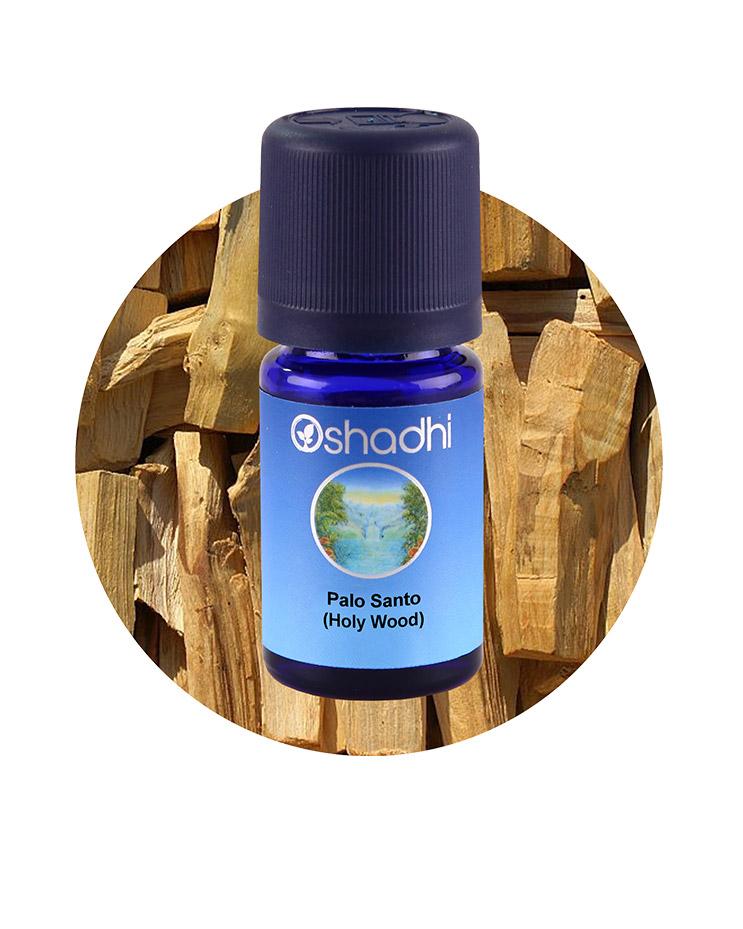
Palo Santo (Holy Wood)
Palo Santo (Holy Wood)
12 in stock
Sell by Date: March 2029
Couldn't load pickup availability
Product No. 2375
Bursera graveolens
| Origin | Peru |
| Plant part | Wood |
| Cultivation | Wild |
| Extraction | Distilled |
| Main constituents | Limonene, alpha-Terpineol, beta-Bisabolene, Carvone, trans-Carveol, Juneol |
| Aroma | Fruity, Sweet, Woody |
| Ingredients (INCI) | Bursera Graveolens Wood Oil |
Two unrelated trees share the name palo santo. Bulnesia sarmientoi of the Gran Chaco yields guaiacwood oil and belongs to the caltrop family. Bursera graveolens, the source of this oil, belongs to the Burseraceae, the same family as frankincense and myrrh.
01 · Origin
A small deciduous tree of the dry tropical forests along the Pacific coast of South America, from Ecuador into Peru. The wood has a long ceremonial use in Ecuador and Peru, burned as incense in homes and at gatherings. This oil is distilled from the wood of wild trees in Peru.
02 · Chemistry
Limonene leads, which gives the oil a striking citrus brightness for a wood. Alpha-terpineol adds a soft lilac sweetness. Beta-bisabolene, carvone, trans-carveol and juneol contribute minty, woody and balsamic facets. The pairing of a fresh monoterpene top with a resinous base reflects the tree's place in the frankincense family.
03 · In Practice
Sweet, citrus-woody and balsamic, with a faint minty coolness. A middle note. Meditation practice, diffusion, massage blends and natural perfumery. Blends with frankincense, myrrh, sandalwood, cedarwood, lavender, bergamot and sweet orange.
General information: For external use only. Dilute before applying to skin. Keep away from heat and sunlight. Keep out of reach of children. Avoid contact with eyes and mucous membranes.
How to use Essential Oils
Find out more about how Essential Oils can be used and the different application methods:
https://oshadhi.com/pages/how-to-use-essential-oils