

Geranium (organic)
Geranium (organic)
Low stock: 10 left
Couldn't load pickup availability
Product No. 1495
Pelargonium asperum
| Origin | Egypt |
| Plant part | Leaves |
| Cultivation | Certified organic |
| Extraction | Distilled |
| Main constituents | Citronellol, Geraniol, Citronellyl formiate, Geranyl formiate |
| Aroma | Floral, Fruity, Herbaceous |
| Ingredients (INCI) | Pelargonium Asperum Leaf Oil* |
*Certified organic.
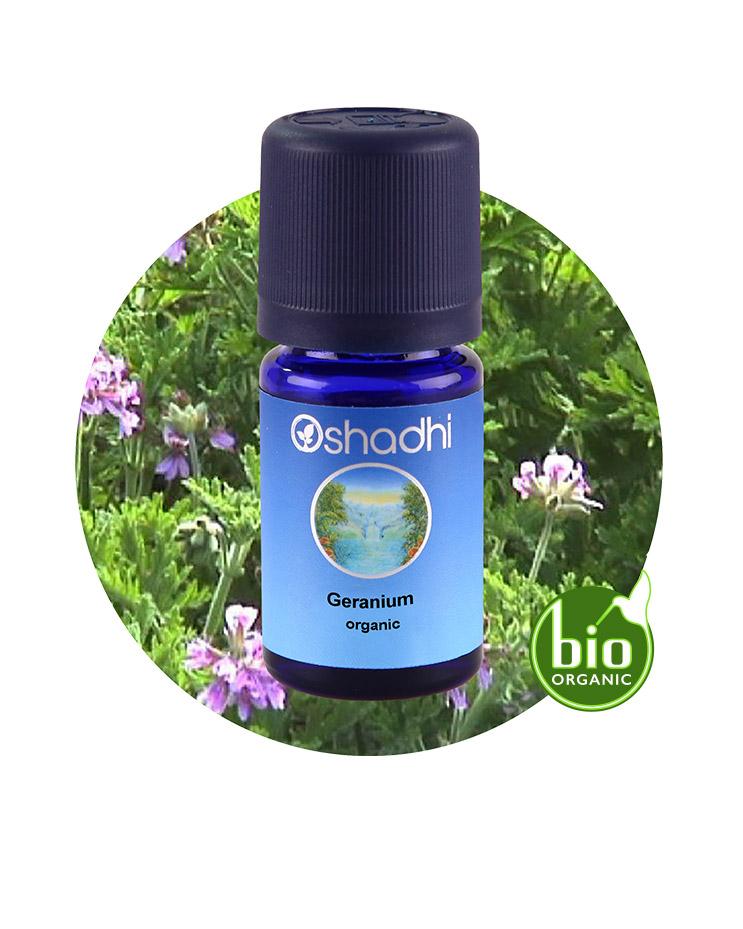
Geranium oil is not distilled from a Geranium. It comes from Pelargonium, a separate genus native to southern Africa. True Geranium oil exists, from Geranium macrorrhizum, known in Bulgaria as zdravets, and it smells entirely different.
01 · Origin
Pelargonium asperum is the scented pelargonium of perfumery, a cultivated form within the rose-scented group. The genus came to Europe from the Cape and was planted for oil across North Africa and the Indian Ocean. This oil is distilled in Egypt from the leaves of certified organic cultivation.
02 · Chemistry
Citronellol and geraniol lead, the same alcohol pair that underlies rose. Citronellyl formate and geranyl formate follow, and these formates give pelargonium its green, slightly minty edge. The ratio of citronellol to geraniol is a common marker of origin.
03 · In Practice
Rosy, green and fresh, with a fruity, minty lift. A middle note. Skincare formulation, natural perfumery, massage blends and diffusion. Comparative work alongside Geranium, Zdravets (No. 1488) sets the two genera side by side. Blends with rose, lavender, bergamot, clary sage, petitgrain, sandalwood and patchouli.
General information: For external use only. Dilute before applying to skin. Keep away from heat and sunlight. Keep out of reach of children. Avoid contact with eyes and mucous membranes.
How to use Essential Oils
Find out more about how Essential Oils can be used and the different application methods:
https://oshadhi.com/pages/how-to-use-essential-oils