

Fennel, Sweet (organic)
Fennel, Sweet (organic)
12 in stock
Couldn't load pickup availability
Product No. 1445
Foeniculum vulgare dulce
| Origin | Hungary |
| Plant part | Seeds |
| Cultivation | Wild-crafted organic |
| Certification | DE-ÖKO-007 |
| Extraction | Distilled |
| Main constituents | Anethol, Limonene, Fenchone, alpha-Pinene |
| Aroma | Sweet, Spicy, Herbaceous |
| Ingredients (INCI) | Foeniculum Vulgare Seed Oil* |
*Certified organic, DE-ÖKO-007.
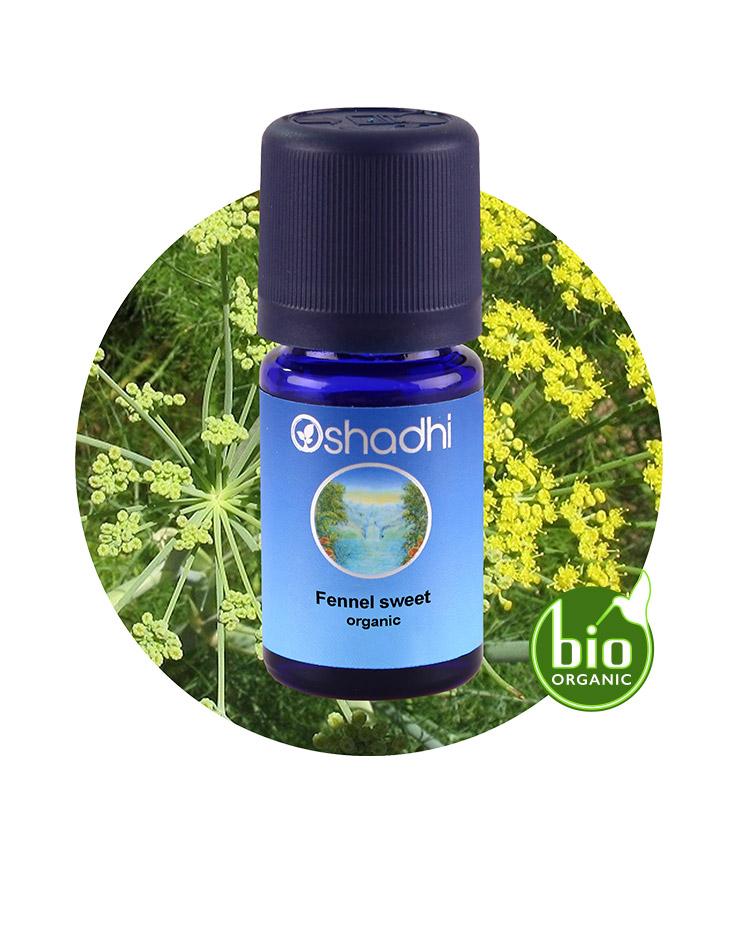
Two varieties of fennel are distilled for oil, and they are not equivalent. Bitter fennel carries a substantially higher proportion of fenchone. Sweet fennel, Foeniculum vulgare var. dulce, is dominated by anethole. Sea fennel is unrelated, a coastal plant of a different genus.
01 · Origin
A tall perennial of the Apiaceae, native to the Mediterranean, with feathery leaves and yellow umbels. This oil is distilled from the seeds of wild-crafted organic plants in Hungary.
02 · Chemistry
Trans-anethole is the leading constituent and gives the sweet, aniseed tone. Limonene, fenchone and alpha-pinene follow. Anethole-rich oils can thicken or crystallise in a cold store and return to liquid at room temperature. Comparison with Fennel, Sea (No. 2048) shows what shared common names can conceal.
03 · In Practice
Sweet, aniseed and herbal, with a slight peppery edge. A top to middle note. Massage blends, diffusion and natural perfumery at low concentration. Anethole-led oils are dosed conservatively. Blends with lavender, geranium, rose, sandalwood, lemon, juniper berry and black pepper.
General information: For external use only. Dilute before applying to skin. Keep away from heat and sunlight. Keep out of reach of children. Avoid contact with eyes and mucous membranes.
How to use Essential Oils
Find out more about how Essential Oils can be used and the different application methods:
https://oshadhi.com/pages/how-to-use-essential-oils