

Coriander Seed (organic)
Coriander Seed (organic)
Low stock: 3 left
Couldn't load pickup availability
Product No. 1800
Coriandrum sativum
| Origin | Bulgaria |
| Plant part | Seeds |
| Cultivation | Certified organic |
| Certification | DE-ÖKO-007 |
| Extraction | Distilled |
| Main constituents | Linalool, alpha- & beta Pinene, gamma-Terpinene, Geranyl acetate, Camphor |
| Ingredients (INCI) | Coriandrum Sativum Seed Oil* |
*Certified organic, DE-ÖKO-007.
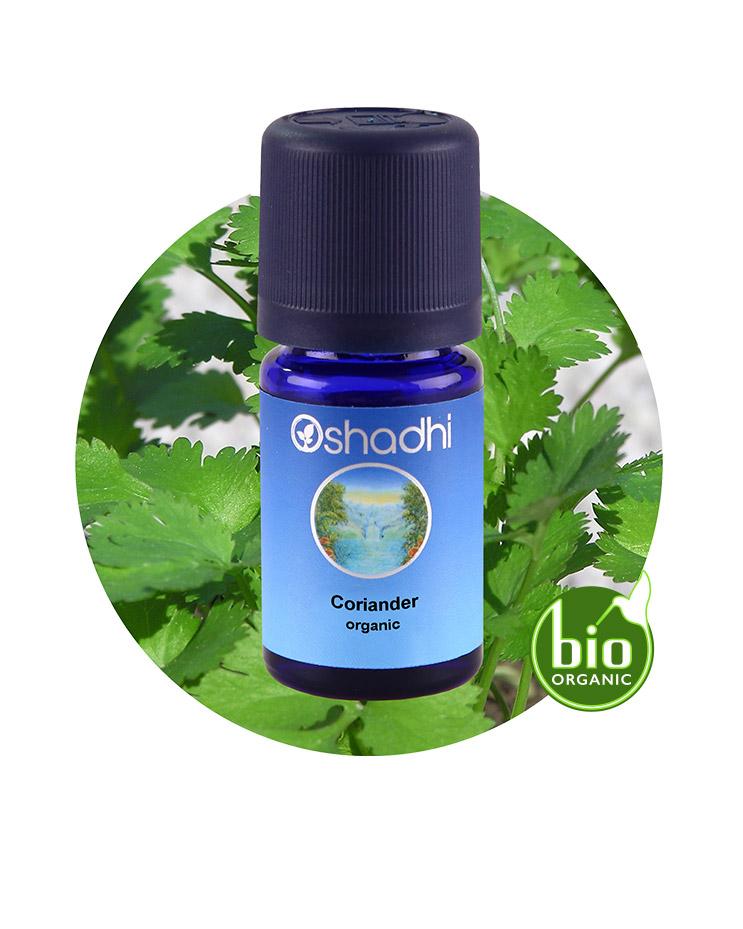
Coriander seed oil and coriander herb oil come from the same plant and are rarely interchangeable. The herb oil, sold as cilantro (No. 1796), is dominated by aliphatic aldehydes and has the sharp, green character of the fresh leaf. The seed oil is built on linalool and reads sweet, warm and spicy.
01 · Origin
Coriandrum sativum is an annual of the carrot family, Apiaceae, native to the eastern Mediterranean and western Asia and cultivated since antiquity. This oil is distilled in Bulgaria from the ripe seeds under certified organic cultivation.
02 · Chemistry
Linalool dominates, chiefly as the (S)-form known as coriandrol. Alpha- and beta-pinene, gamma-terpinene, geranyl acetate and camphor follow. The ripe fruit has lost most of the aldehydes of the green plant, so the seed oil carries none of the leaf's sharpness.
03 · In Practice
Warm, sweet and spicy, with a woody, faintly floral note. A middle note in natural perfumery, used in spice, citrus and floral accords. Diffusion, massage blends and bath preparations. Blends with ylang ylang, jasmine, bergamot, orange, cardamom, cinnamon and frankincense.
General information: For external use only. Dilute before applying to skin. Keep away from heat and sunlight. Keep out of reach of children. Avoid contact with eyes and mucous membranes.
How to use Essential Oils
Find out more about how Essential Oils can be used and the different application methods:
https://oshadhi.com/pages/how-to-use-essential-oils