

Anise (organic)
Anise (organic)
Low stock: 2 left
Sell by Date: March 2029
Couldn't load pickup availability
Product Details
Botanical Name: Pimpinella anisumFragrance Profile*: Sweet
Origin: Egypt
Cultivation: certified organic
Certification: DE-ÖKO-007
Manufacturing Method: distilled
Part of Plant: Seeds
Main Chemotypes: trans-Anethole, Methyl chavicol (Estragole), cis-Anethole
Key Ingredients: Anise Oil
Article No. 1080-5
*Learn more about how fragrance profiles are determined
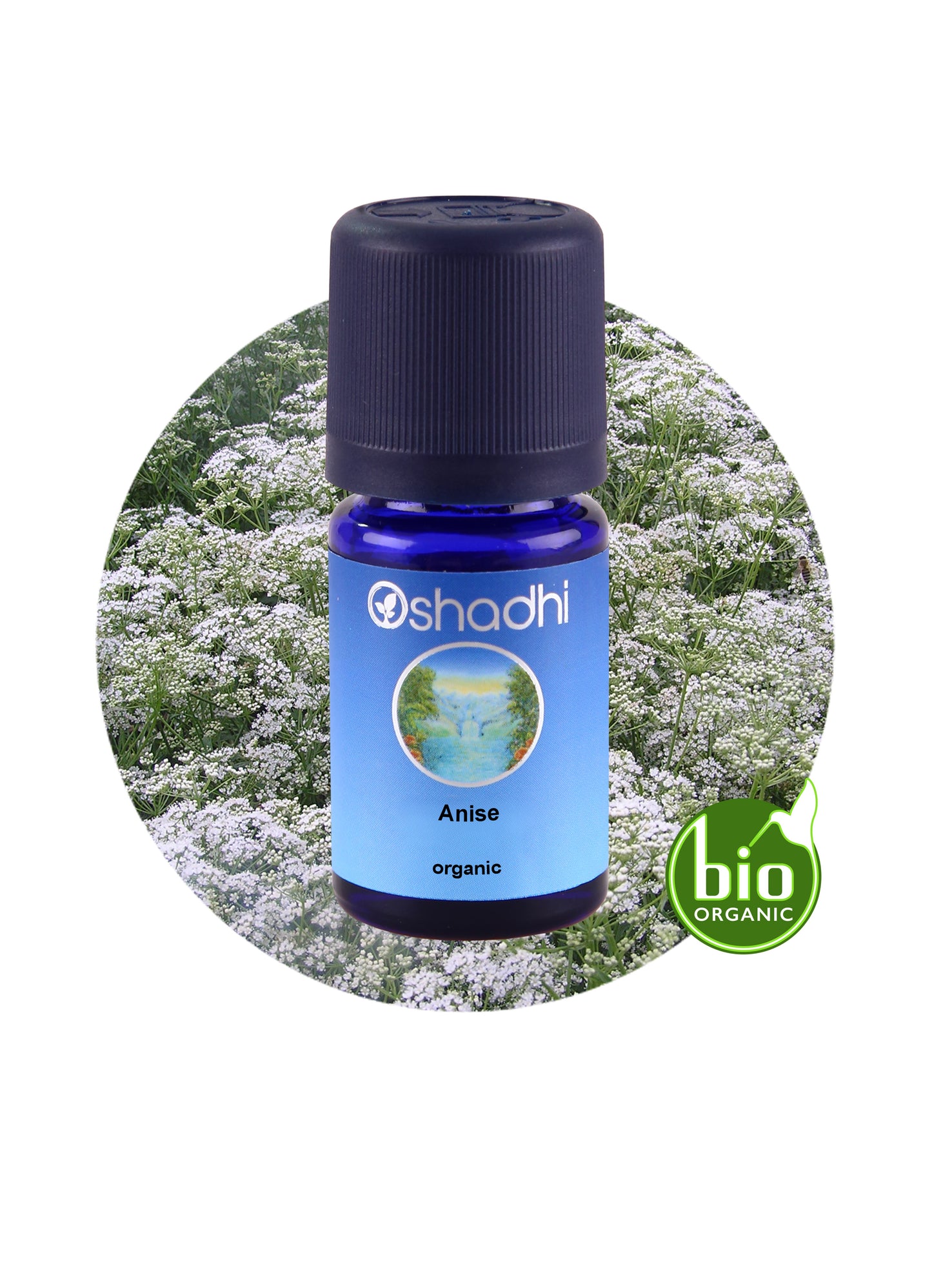
Description: Anise is a well-known medicinal plant from the Mediterranean region, already used in earlier times by the Egyptians, Greeks and Romans for digestive and bronchial complaints. Pythagoras, Heraclitus of Ephesus and Pliny mention anise in their writings. In the Middle Ages, anise was medically counted among the so-called dry and hot medicinal plants, by which is meant those that cure digestive complaints and promote sweating.
Anise is originally native to Egypt, Greece, Crete and Asia Minor. In Central Europe, the plant was already used in the Middle Ages. Among the Greeks, anise was common in many places as a miracle medicine "theriac".
Anise's main biochemical constituent trans-anethole is said to have analgesic, tension relieving properties according to studies, and to protect our muscles from cramping. The biochemical ingredient is also known to relieve cramps in the muscles, respiratory system and uterus.
According to Ayurveda (the oldest Indian health system), physical discomfort and tension are very often linked to the element of air in the body, which puts pressure on finer tissue structures. This is balanced in Ayurveda by the space element. Anise biochemically has an excellent ability to correct the energetic flow of physiology and release forms of imbalance. According to Ayurvedic understanding, anise has a calming effect on vata-induced nervousness and restlessness, and at the same time prevents the onset of lethargic depressive tendencies caused by unbalanced kapha.
General Information: Keep away from heat and sunlight. Keep out of reach of children. Avoid contact with eyes and mucous membranes.
How to use Essential Oils
Find out more about how Essential Oils can be used and the different application methods:
https://oshadhi.com/pages/how-to-use-essential-oils