

Marjoram, Wild (organic)
Marjoram, Wild (organic)
Low stock: 4 left
Couldn't load pickup availability
Product No. 2011
Thymus mastichina
| Origin | Spain |
| Plant part | Plant |
| Cultivation | Wild certified organic |
| Certification | DE-ÖKO-007 |
| Extraction | Distilled |
| Main constituents | 1,8-Cineol, Linalool, alpha-Terpineol, alpha- & beta-Pinene |
| Aroma | Herbaceous, Spicy |
| Ingredients (INCI) | Thymus Mastichina Oil* |
*Certified organic, DE-ÖKO-007.
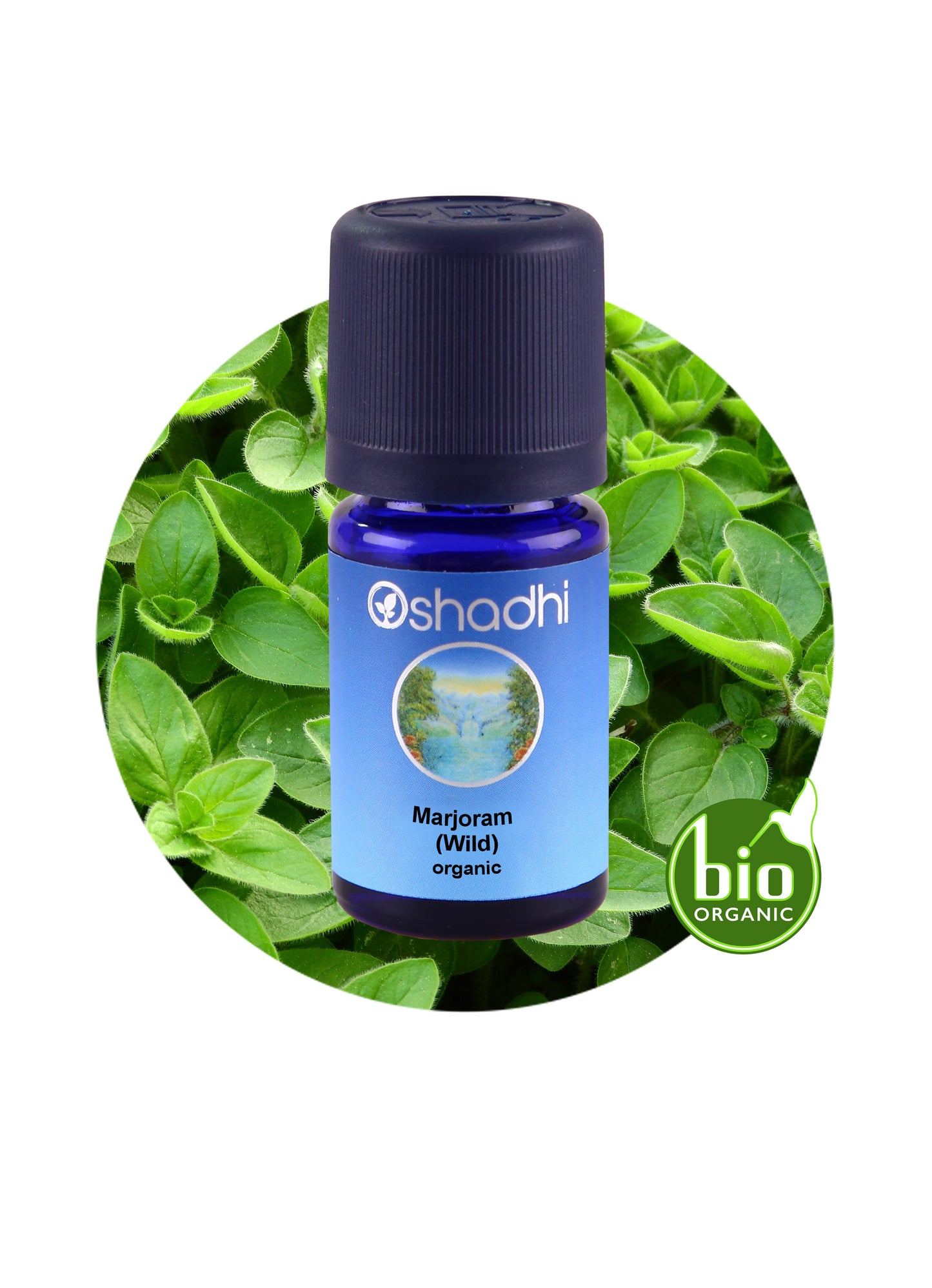
Wild marjoram is a common name and not a botanical one. This oil is Thymus mastichina, also called Spanish marjoram or mastic thyme. It is a thyme, unrelated to sweet marjoram, Origanum majorana, and its chemistry differs accordingly.
01 · Origin
A small woody shrub of the Lamiaceae, endemic to the Iberian Peninsula. It grows on dry, rocky hillsides. This oil is distilled from the wild plant in Spain under organic certification, DE-ÖKO-007.
02 · Chemistry
1,8-cineole leads, with linalool, alpha-terpineol and alpha- and beta-pinene. The cineole proportion gives it a eucalyptus-like freshness. Comparative study alongside Marjoram, Sweet (No. 2030) separates two oils that share a name and little else.
03 · In Practice
Fresh, camphoraceous and herbal, with a soft floral note from linalool. A top to middle note. Diffusion, massage blends and bath preparations. Blends with rosemary, lavender, eucalyptus, pine, cypress, bergamot and tea tree.
General information: For external use only. Dilute before applying to skin. Keep away from heat and sunlight. Keep out of reach of children. Avoid contact with eyes and mucous membranes.
How to use Essential Oils
Find out more about how Essential Oils can be used and the different application methods:
https://oshadhi.com/pages/how-to-use-essential-oils