

Jasmine, Auriculatum (Absolute)
Jasmine, Auriculatum (Absolute)
Low stock: 3 left
Couldn't load pickup availability
Product No. 1645
Jasminum auriculatum
| Origin | India |
| Plant part | Blossoms |
| Cultivation | Conventional |
| Extraction | Extracted |
| Main constituents | Indole, Benzyl Benzoate, Methyl Anthranilate, Benzyl Alcohol |
| Aroma | Floral, Sweet |
| Ingredients (INCI) | Jasminum Auriculatum Flower Extract |
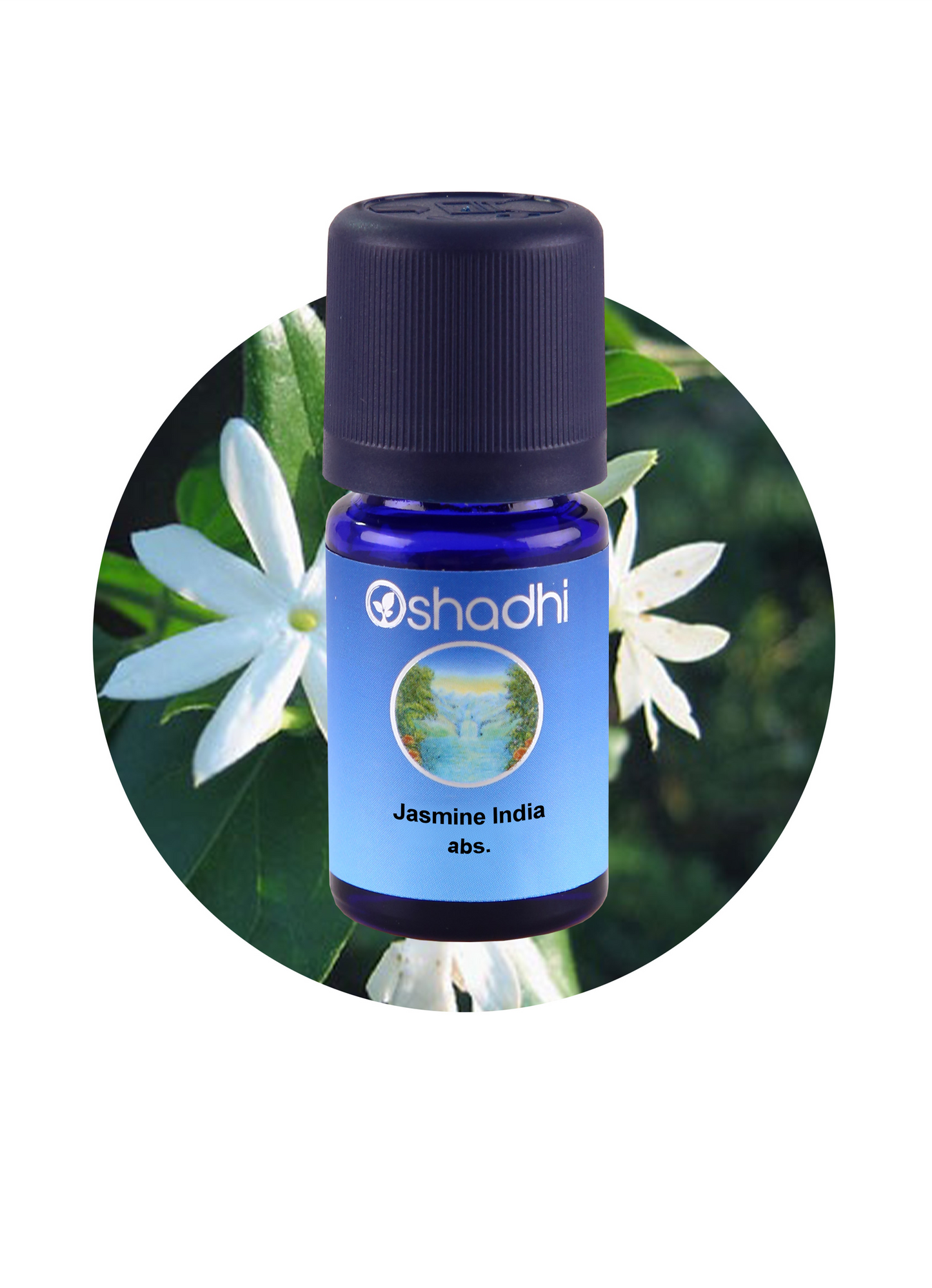
Jasmine is treated as a single scent. It is several. Jasminum grandiflorum and Jasminum sambac dominate the trade. Jasminum auriculatum, known in India as juhi, is lighter and fresher than either and is rarely offered.
01 · Origin
A climbing shrub of the olive family, native to the Indian subcontinent and grown there for garlands and temple use. This absolute is produced in India from blossoms of conventional cultivation.
02 · Process
The flowers are too delicate to survive the still. They are extracted with solvent to give a concrete, which is then washed with alcohol to yield the absolute. Indole, benzyl benzoate, methyl anthranilate and benzyl alcohol define the profile. Indole and methyl anthranilate carry the animalic and orange-flower facets; benzyl benzoate gives body.
03 · In Practice
Delicate, fresh and floral, less heavy than other jasmines. A heart note in natural perfumery. Used at low concentration in massage oils, skincare formulation and anointing oils. Comparative work against Jasmine, Sambac (No. 1635) and Jasmine, Grandiflorum, Egypt (No. 1640) maps the genus clearly. Blends with sandalwood, rose, neroli, bergamot, vetiver and orange.
General information: For external use only. Dilute before applying to skin. Keep away from heat and sunlight. Keep out of reach of children. Avoid contact with eyes and mucous membranes.
How to use Essential Oils
Find out more about how Essential Oils can be used and the different application methods:
https://oshadhi.com/pages/how-to-use-essential-oils