

Howood
Howood
Low stock: 3 left
Couldn't load pickup availability
Product No. 1570
Cinnamomum camphora Ho-Sho
| Origin | China |
| Plant part | Wood |
| Cultivation | Wild |
| Extraction | Distilled |
| Main constituents | Linalool, cis- & trans-Linalool-Oxide, Camphor, gamma-Terpinene, Myrcene |
| Aroma | Fruity, Woody, Fresh |
| Ingredients (INCI) | Cinnamomum Camphora Wood Oil |
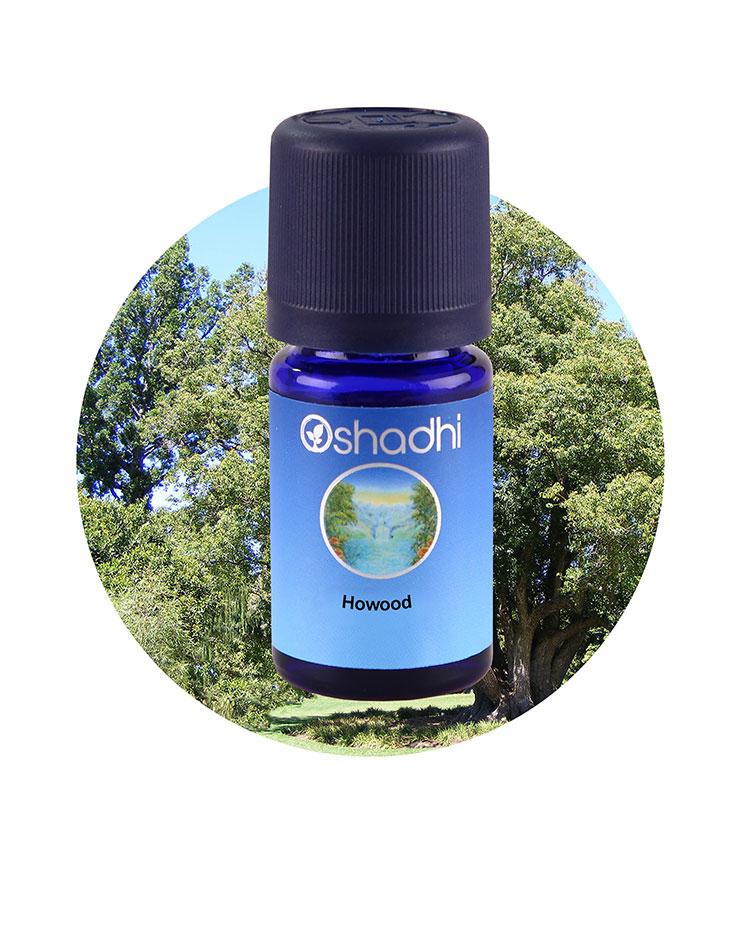
Camphor tree, Cinnamomum camphora, exists in several chemotypes. The one that gives camphor is not the one that gives this oil. Ho-sho is the linalool type, and its oil became the usual alternative to rosewood once Aniba rosaeodora came under pressure.
01 · Origin
A large evergreen of the Lauraceae, native to China, Japan and Taiwan, and part of the same family as cinnamon and bay laurel. This oil is distilled from the wood of wild trees in China.
02 · Chemistry
Linalool dominates. Cis- and trans-linalool oxide add a light, tea-like floral-woody nuance. Camphor is present in small proportion and lends a cool lift, while gamma-terpinene and myrcene sit in the top. The profile is clean and close to pure linalool.
03 · In Practice
Soft, floral-woody and slightly camphoraceous. A middle note in natural perfumery. Diffusion, massage and skincare work. Comparative work with Rosewood (No. 2580) shows how closely two unrelated trees converge on the same main constituent. Blends with lavender, bergamot, orange, geranium, rose, sandalwood and cedarwood.
General information: For external use only. Dilute before applying to skin. Keep away from heat and sunlight. Keep out of reach of children. Avoid contact with eyes and mucous membranes.
How to use Essential Oils
Find out more about how Essential Oils can be used and the different application methods:
https://oshadhi.com/pages/how-to-use-essential-oils