

Grapefruit, Pink (Organic)
Grapefruit, Pink (Organic)
Low stock: 8 left
Couldn't load pickup availability
Product No. 2386
Citrus paradisi
| Origin | Italy |
| Plant part | Peel |
| Cultivation | Certified organic |
| Certification | DE-ÖKO-007 |
| Extraction | Coldpressed |
| Main constituents | Limonene, Myrcene |
| Aroma | Citrus |
| Ingredients (INCI) | Citrus Grandis Peel Oil* |
*Certified organic, DE-ÖKO-007.
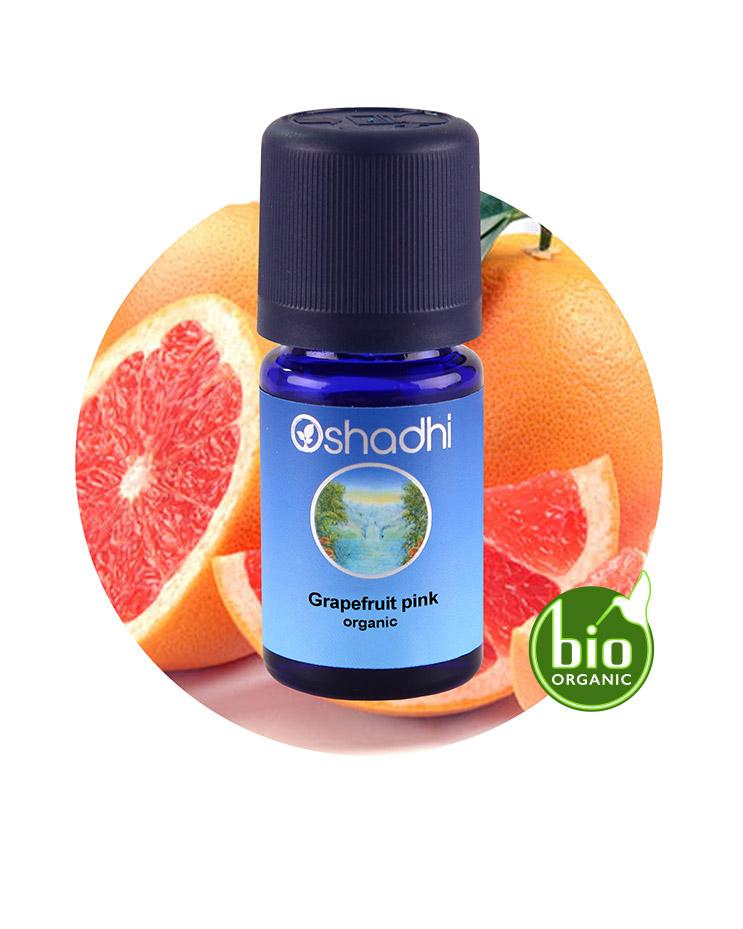
Limonene makes up the bulk of almost every citrus peel oil, so it cannot account for the smell of grapefruit. The signature comes from traces: nootkatone and a sulphur-bearing thiol present in tiny amounts. The pink of the name describes the flesh of the fruit, not the oil.
01 · Origin
Citrus paradisi is a citrus of the rue family, Rutaceae, thought to have arisen in the Caribbean as a natural cross of pomelo and sweet orange. This oil is cold-pressed from the peel of certified organic fruit grown in Italy (DE-ÖKO-007).
02 · Chemistry
Limonene dominates, with myrcene a distant second. The trace constituents that define the fruit sit within the small remaining fraction. Expressed citrus oils oxidise more readily than most, so the bottle is kept cool, tightly closed and used within its shelf life. Grapefruit (No. 2390) offers a comparison grade.
03 · In Practice
Fresh, bitter-sweet and juicy, sharper and drier than orange. A top note with modest staying power, best anchored by woods or resins in a perfume. Diffusion, atomiser sprays, massage blends, bath preparations and natural perfumery. Blends with bergamot, lemon, rosemary, cypress, ylang ylang, vetiver and frankincense.
General information: For external use only. Dilute before applying to skin. Keep away from heat and sunlight. Keep out of reach of children. Avoid contact with eyes and mucous membranes.
How to use Essential Oils
Find out more about how Essential Oils can be used and the different application methods:
https://oshadhi.com/pages/how-to-use-essential-oils