

Elemi
Elemi
Low stock: 6 left
Sell by Date: March 2029
Couldn't load pickup availability
Product No. 1340
Canarium luzonicum
| Origin | Philippines |
| Plant part | Resin |
| Cultivation | Wild |
| Extraction | Distilled |
| Main constituents | Limonene, alpha-Phellandrene, Elemol, Sabinene, Elemicine |
| Aroma | Fruity, Sweet, Spicy |
| Ingredients (INCI) | Canarium Luzonicum Gum Nonvolatiles |
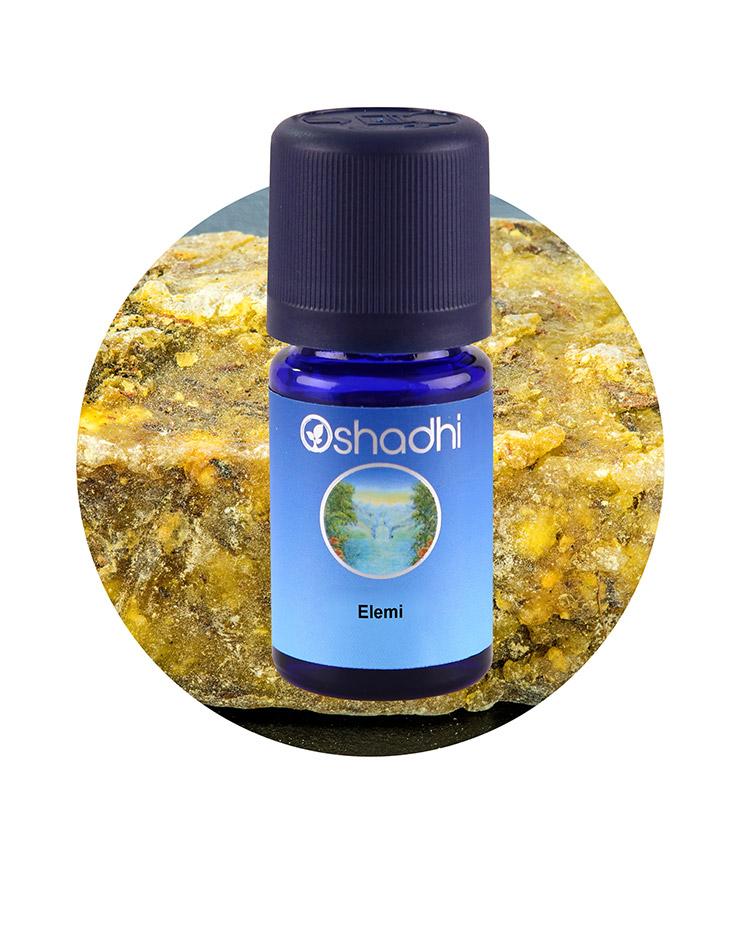
Elemi is often described as a gum. It is an oleoresin, a soft, fragrant exudate rich in volatile oil, collected from the trunk of Canarium luzonicum. The name was once applied to resins from several unrelated trees; Manila elemi from the Philippines is the reference material.
01 · Origin
A tall tropical tree of the Burseraceae, the family that also gives frankincense and myrrh. It grows in the forests of Luzon and neighbouring islands. The resin is tapped from wild trees in the Philippines.
02 · Process
The fresh resin is pale and soft, and hardens as it ages. Steam distillation separates the volatile fraction. Limonene and alpha-phellandrene lead, with sabinene alongside. Elemol, a sesquiterpene alcohol, gives body. Elemicin, a phenylpropanoid named after the resin, contributes a faint spicy warmth.
03 · In Practice
Fresh, lemony and peppery at the top, drying to a soft balsamic, incense-like note. A top to middle note that bridges citrus and resin in natural perfumery. Diffusion, massage blends, skincare formulation and meditation practice. Blends with frankincense, myrrh, lavender, rosemary, sage, lemon and cardamom.
General information: For external use only. Dilute before applying to skin. Keep away from heat and sunlight. Keep out of reach of children. Avoid contact with eyes and mucous membranes.
How to use Essential Oils
Find out more about how Essential Oils can be used and the different application methods:
https://oshadhi.com/pages/how-to-use-essential-oils