

Combava / Kaffir Lime Peel
Combava / Kaffir Lime Peel
Low stock: 4 left
Couldn't load pickup availability
Product No. 1277
Citrus hystrix DC.
| Origin | Thailand |
| Plant part | Peel |
| Cultivation | Wild |
| Extraction | Distilled |
| Main constituents | Limonene, beta-Pinene, Sabinene, Terpinene-4-ol, alpha-Terpineol, gamma-Terpinene |
| Aroma | Citrus, Herbaceous |
| Ingredients (INCI) | Citrus Hystrix Peel Oil |
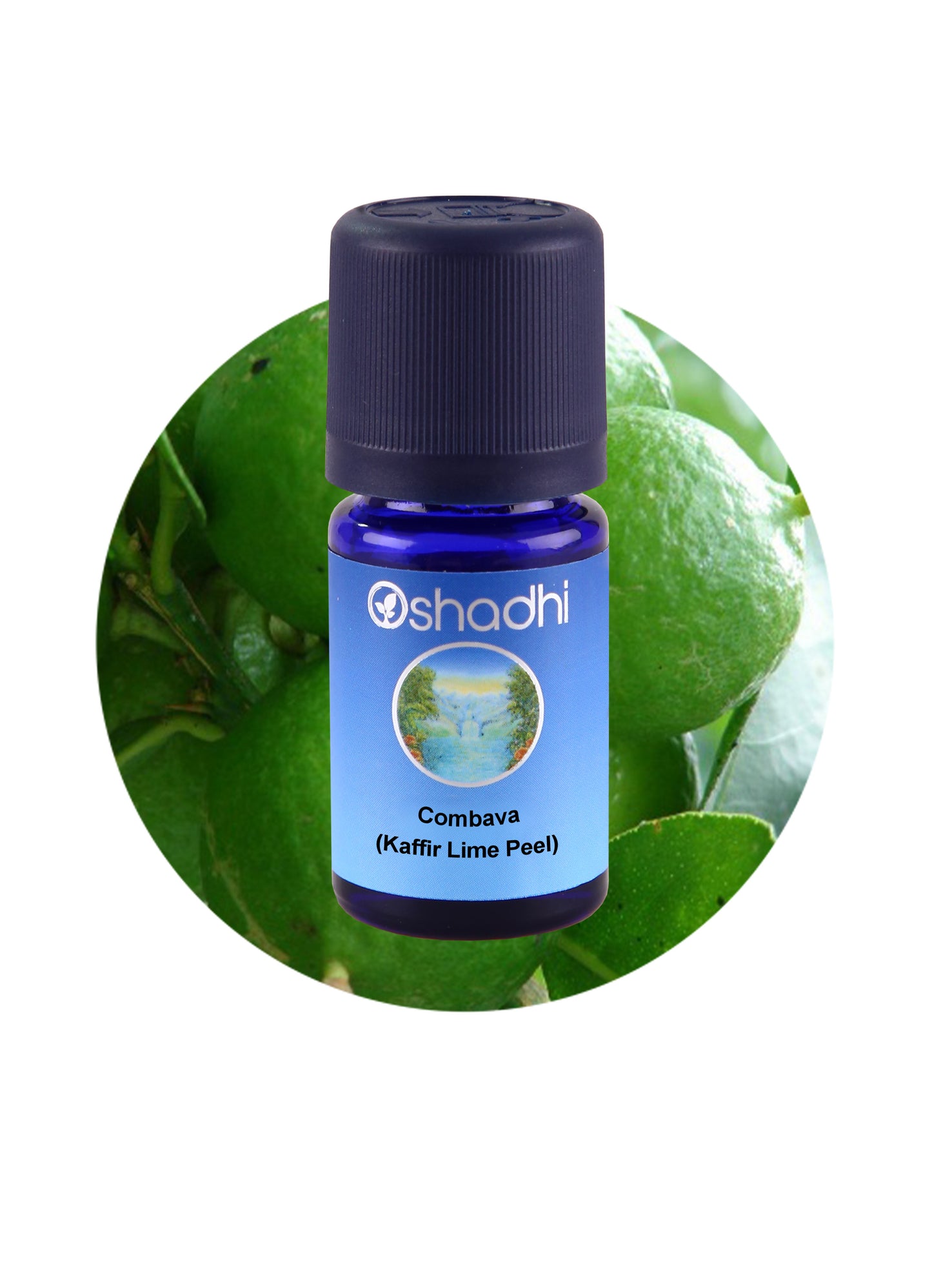
Combava is often expected to smell like the crushed leaf. The peel oil does not carry the leaf's citronellal. It is a limonene-led oil, closer to a sharp lime with a green, slightly spicy edge. The common English name kaffir lime is now widely replaced by makrut lime.
01 · Origin
Citrus hystrix is a thorny citrus of tropical South-East Asia. The fruit is small, green and deeply wrinkled, with little juice. This oil is distilled from the peel of wild trees in Thailand.
02 · Chemistry
Limonene leads. Beta-pinene and sabinene follow, with terpinen-4-ol, alpha-terpineol and gamma-terpinene. The alcohols are present in higher proportion than in most citrus peel oils and account for its herbaceous, slightly woody finish.
03 · In Practice
Sharp, zesty and green, with a peppery, terpenic edge. A top note. Diffusion, room preparations, natural perfumery and massage blends. Distilled citrus oils carry a different profile from pressed ones, and the two are worth separating in study. The leaf oil, Petitgrain Combava (No. 2455), makes a direct comparison. Blends with lemongrass, ginger, coriander, geranium, cedarwood and vetiver.
General information: For external use only. Dilute before applying to skin. Keep away from heat and sunlight. Keep out of reach of children. Avoid contact with eyes and mucous membranes.
How to use Essential Oils
Find out more about how Essential Oils can be used and the different application methods:
https://oshadhi.com/pages/how-to-use-essential-oils