

Carnation (absolute)
Carnation (absolute)
Low stock: 5 left
Sell by Date: August 2027
Couldn't load pickup availability
Product No. 12215
Dianthus caryophyllus L.
| Origin | Egypt |
| Plant part | Blossoms |
| Cultivation | Conventional |
| Extraction | Extracted |
| Main constituents | Octadecanoic acid, Benzyl benzoate, Eugenol |
| Aroma | Floral, Spicy, Sweet |
| Ingredients (INCI) | Dianthus Caryophyllus Flower Extract |
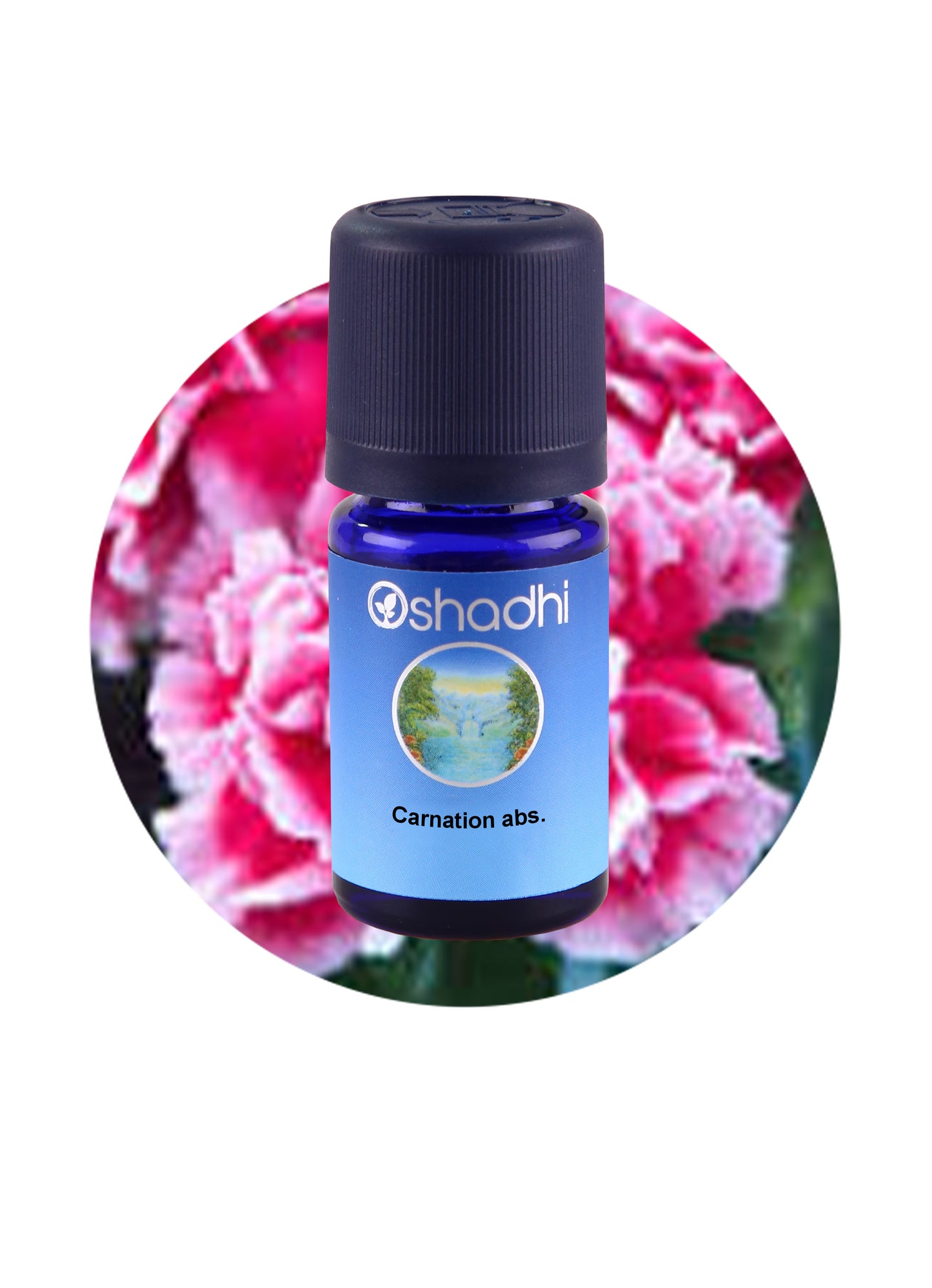
Most carnation in commercial perfume is a reconstruction, built largely on eugenol and other clove-like materials. The natural absolute is rare, viscous and costly to produce. The species name caryophyllus refers to the clove, whose scent the flower recalls.
01 · Origin
Dianthus caryophyllus belongs to the pink family, Caryophyllaceae, and is native to the Mediterranean. This absolute is produced in Egypt from conventionally grown blossoms.
02 · Process
The flowers are solvent-extracted to a waxy concrete, which is then washed with alcohol to separate the absolute. Octadecanoic acid, a fatty acid, gives the material its body. Benzyl benzoate adds a soft balsamic tone and acts as a natural fixative. Eugenol supplies the spicy, clove-like heart.
03 · In Practice
Sweet, floral and spicy, with a honeyed, slightly waxy depth. A heart note in natural perfumery, where it carries spicy floral accords and anchors lighter top notes. Used in very small proportion in skincare formulation and perfume work. Blends with rose, jasmine, ylang ylang, clove bud, sandalwood, vanilla and bergamot.
General information: For external use only. Dilute before applying to skin. Keep away from heat and sunlight. Keep out of reach of children. Avoid contact with eyes and mucous membranes.
How to use Essential Oils Blends
Find out more about how Essential Oils can be used and the different application methods:
https://oshadhi.com/pages/how-to-use-essential-oils