

Cabreuva
Cabreuva
Low stock: 4 left
Sell by Date: March 2029
Couldn't load pickup availability
Product No. 1220
Myrocarpus fastigiatus
| Origin | Paraguay |
| Plant part | Wood |
| Cultivation | Wild |
| Extraction | Distilled |
| Main constituents | trans-Nerolidol, T-Muurolol, alpha-Cadinol, T-Cadinol |
| Aroma | Balsamic, Herbaceous |
| Ingredients (INCI) | Myrocarpus Fastigiatus Wood Oil |
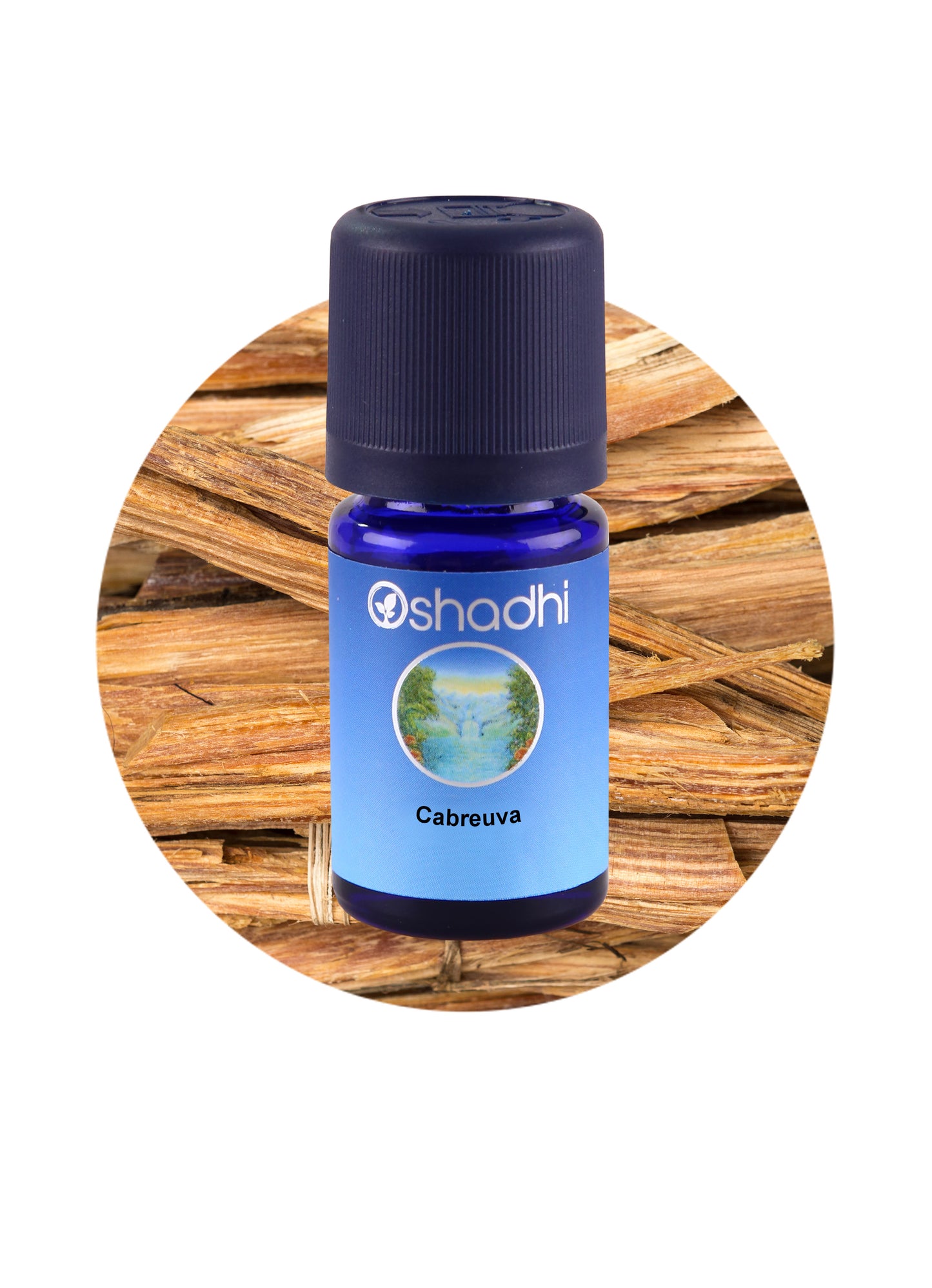
Cabreuva is sometimes confused with Peru balsam (No. 2415). Both come from South American trees of the legume family, Fabaceae, and the generic names differ by a few letters. Myroxylon gives the balsams. Myrocarpus fastigiatus gives a wood oil, distilled from the timber and built on nerolidol.
01 · Origin
A large hardwood tree native to the forests of Paraguay, southern Brazil and northern Argentina. The heartwood is dense and fragrant. This oil is distilled in Paraguay from the wood of wild trees.
02 · Chemistry
Trans-nerolidol, a sesquiterpene alcohol, dominates. T-muurolol, alpha-cadinol and T-cadinol complete the main fraction. An oil of this composition is soft, of low volatility, and lasts well on skin and blotter.
03 · In Practice
Mild, woody and sweet, with a delicate floral note reminiscent of lily and a faint balsamic undertone. A base note and gentle fixative in natural perfumery, used to soften floral and woody accords. Massage blends, skincare formulation and diffusion in combination. Blends with rose, neroli, ylang ylang, sandalwood, cedarwood, bergamot and lavender.
General information: For external use only. Dilute before applying to skin. Keep away from heat and sunlight. Keep out of reach of children. Avoid contact with eyes and mucous membranes.
How to use Essential Oils
Find out more about how Essential Oils can be used and the different application methods:
https://oshadhi.com/pages/how-to-use-essential-oils